
Best Museums and Galleries in Stuttgart, Germany
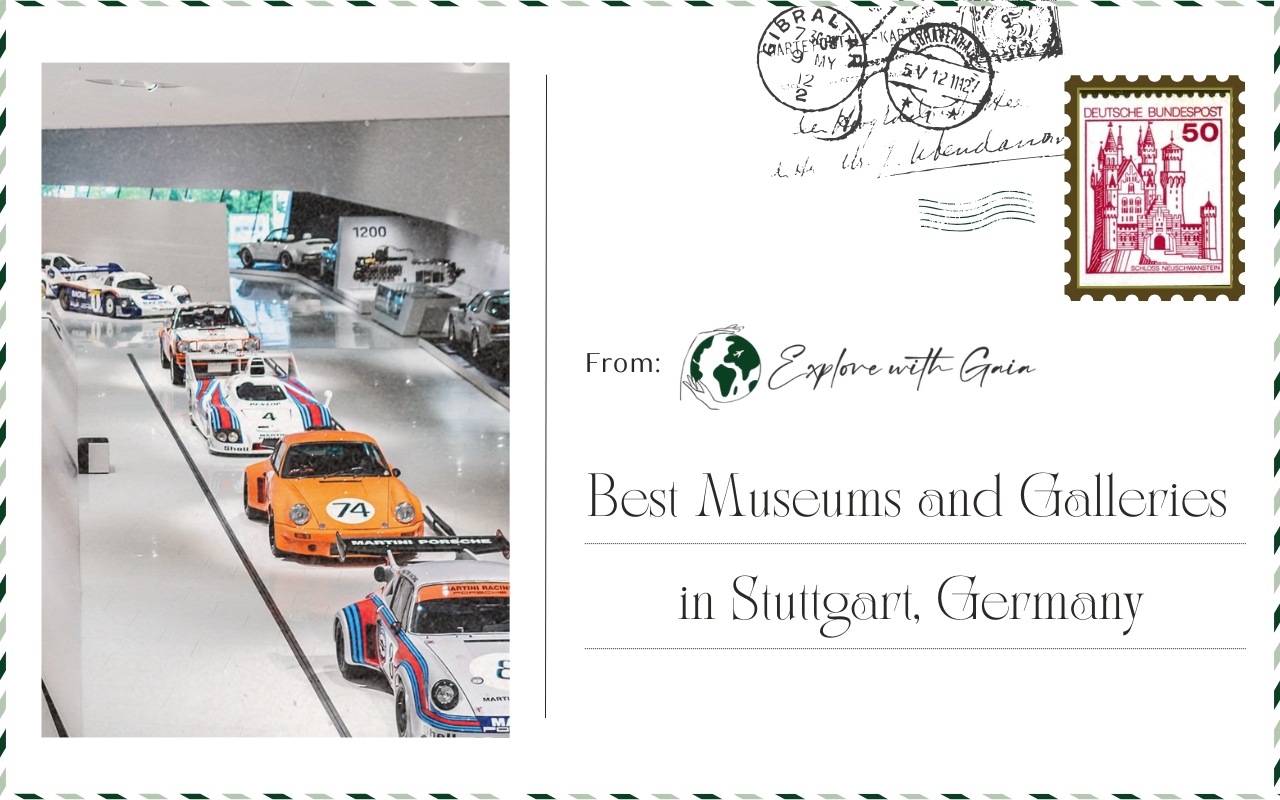
Stuttgart is the city that gave the world the car, and the Mercedes-Benz and Porsche museums alone pull in petrolheads from everywhere. But write it off as a one-trick automotive town and you miss the rest of it: a postmodern art gallery with a room the artist installed himself, a pig museum in an old slaughterhouse, dinosaurs and Ice Age fossils in a city park, and a masterpiece collection that costs nothing on Wednesdays.
I’ve walked through the Mercedes-Benz Museum myself, so I can talk about that one firsthand. The rest I’ve researched carefully, cross-checked prices and hours, and flagged honestly, including the closures and the failures. Here’s how I’d plan a museum day in Stuttgart, what’s actually worth the ticket, and where it’s quietly free.
Two clusters, basically. The car museums sit on the edges: Mercedes-Benz about 5 km east of the center, Porsche up north in Zuffenhausen. Almost everything else lines up along the Kulturmeile (Culture Mile) on Konrad-Adenauer-Straße and around Schlossplatz and Schillerplatz, close enough to do on foot.
Before you buy a single ticket, the StuttCard gets you free entry to around 27 museums plus transport perks, which add up fast if you visit more than two or three. And once a year, the Long Night of Museums opens dozens of them late on one shared ticket, with shuttles between them. If your trip lands on that night, build the day around it.
Car and Technology Museums
This is what most people come for, and it lives up to it.
Mercedes-Benz Museum
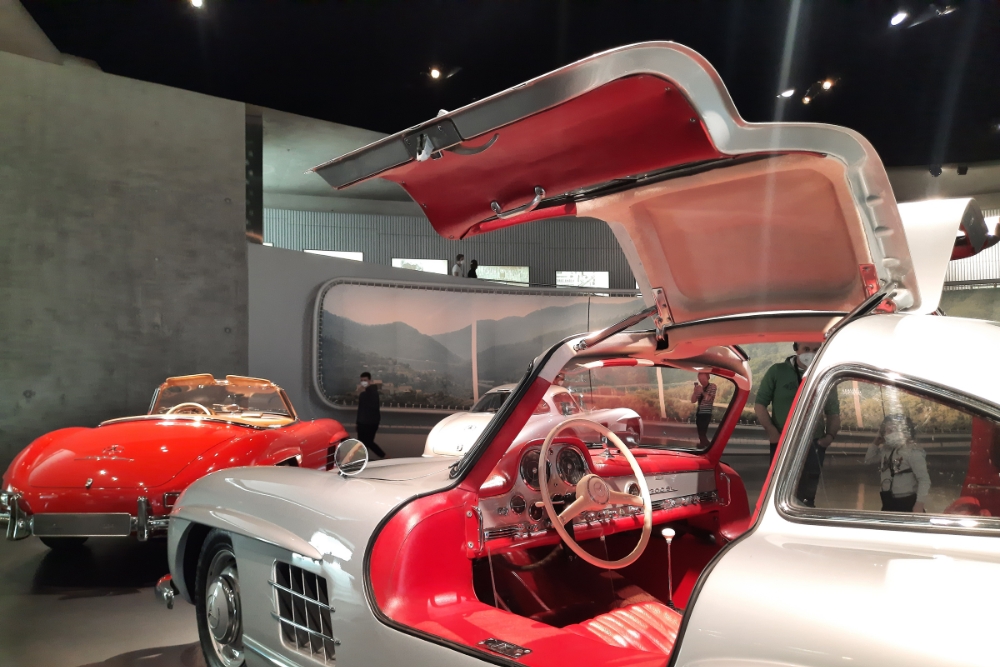
This is the one I’ve actually done, and it earned its spot in my roundup of the best car museums in the world. Mercedes is one of the best car museums I have ever visited. You take a lift to the top of the spiraling UNStudio building and walk down through 160-odd vehicles and 130 years of history, from the first patent motorcar to silver-arrow racers and concept cars. The double-helix layout means you can follow the chronological “Legend” rooms or the thematic “Collection” rooms, and the free audio guide (available in 8 languages) is genuinely good rather than an afterthought.
Tickets are €16, or €8 concession. The honest money tip: after 16:30, it drops to € 8/€4, and with the last entry at 17:00, you can still get a solid hour or more in. Open Tuesday to Sunday, 9:00–18:00, closed Mondays. It’s east of the center, reachable by S-Bahn (S1 to Neckarpark) or bus. Give yourself two to three hours; I rushed it the first time and regretted it.
Porsche Museum
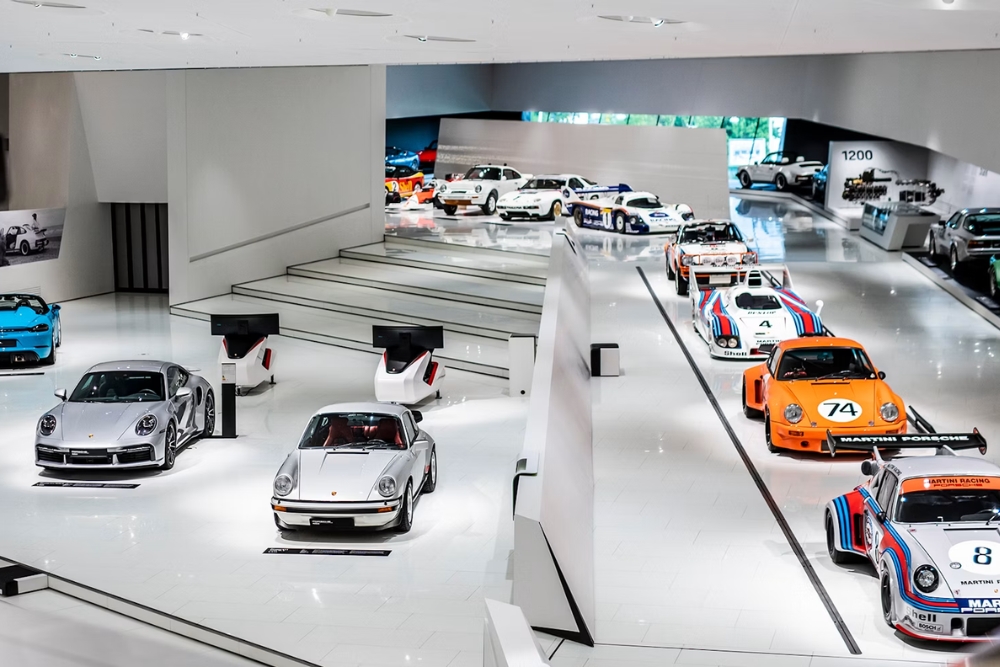
The Porsche Museum sits across town in Zuffenhausen, right next to the factory, in a sharp building that looks like it’s floating on three columns. Inside, it’s leaner than Mercedes, around 80 cars and 200 smaller exhibits, but car people tend to love it precisely because it’s tightly curated, and you can watch classics being restored in the museum workshop.
Adult entry is €12, €6 reduced, and from 17:00 it drops to € 5/€3. Kids under 14 go free with an adult. Open Tuesday to Sunday, 9:00–18:00 (ticket desk closes 17:30), closed Mondays. The tram does the work here: S6 or S60 to Neuwirtshaus/Porscheplatz drops you right at the door.
Here’s the tip that saves real money if you’re doing both: show your ticket from one car museum, and you get 25% off the other. Two of the world’s great car museums in a day, and the second one’s cheaper.
© Porsche
World of Trams (Straßenbahnwelt)
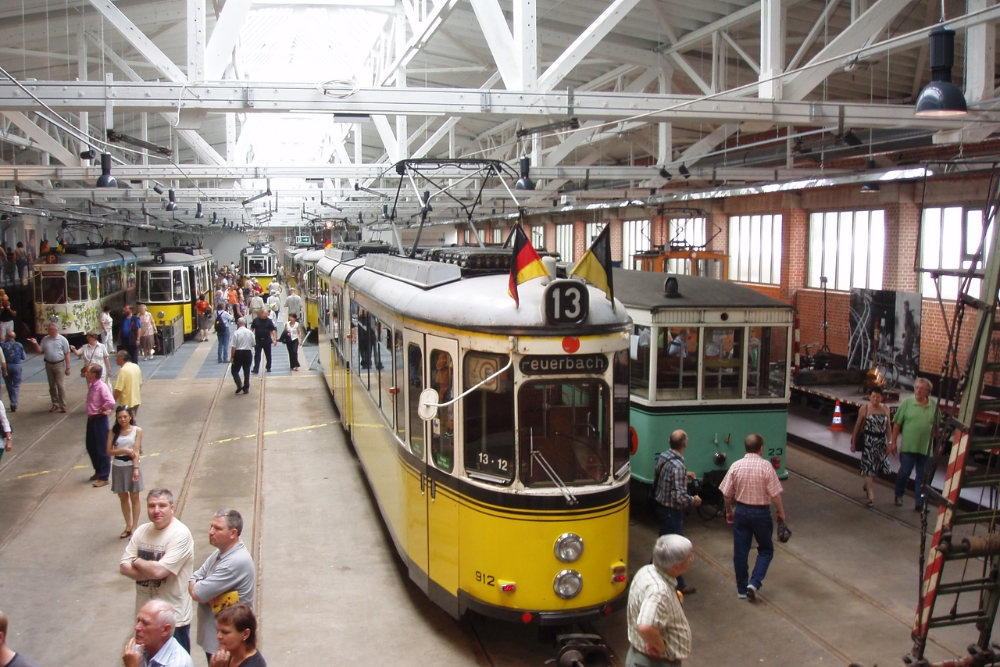
A quieter pick for transport nerds and families: a depot full of historic Stuttgart trams you can climb aboard, plus the option to ride a vintage tram on certain days. It’s a low-key afternoon at a fraction of the price of the big two. Sundays are the day to go, when the historic trams actually run.
© Wikipedia
Art Museums and Galleries
Beyond the engines, Stuttgart’s art scene is stronger than you’d expect — one world-class collection, one closed-for-now cube, and an ethnographic heavyweight.
Staatsgalerie Stuttgart
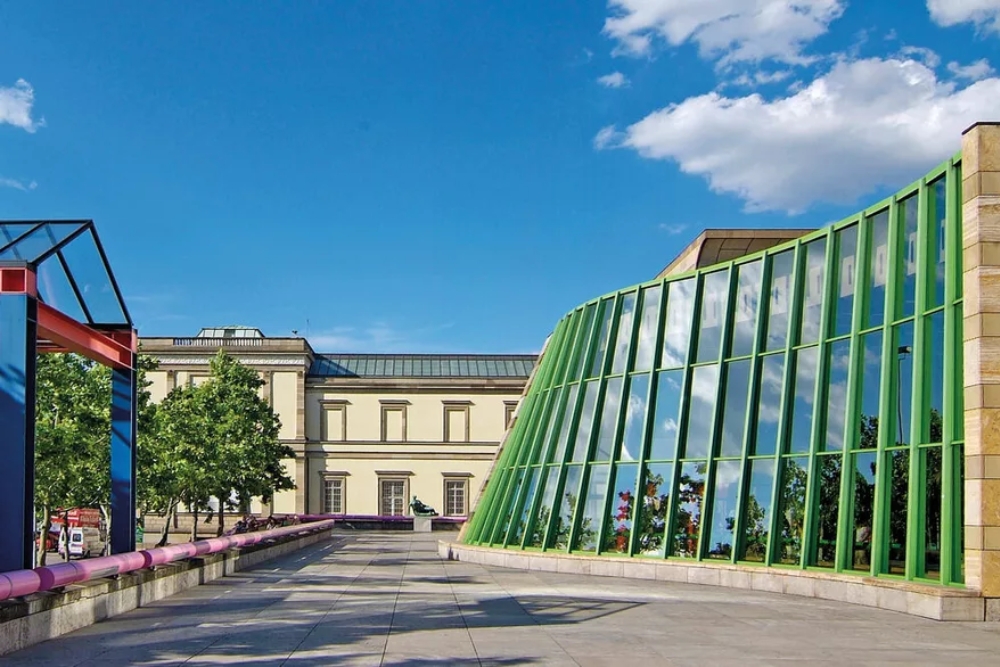
If you only do one art museum here, this is it. The building itself is a landmark. James Stirling’s bold 1980s postmodern wing bolted onto the older neoclassical gallery, and the collection runs from old Swabian panel painting to a heavyweight modern lineup: Picasso, Dalí, a Joseph Beuys room the artist installed himself, and Oskar Schlemmer’s costumes from the Triadic Ballet.
Standard entry is €10, reduced €8, and the permanent collection is free every Wednesday (which also means it’s busier). Open Tuesday, Wednesday, Friday to Sunday 10:00–17:00, and late on Thursdays until 20:00, closed Mondays. One overlap worth knowing: a Mercedes-Benz Museum ticket gets you the €8 concession rate here. There’s a café-restaurant, Fresko, on site if you want to make an afternoon of it.
© Landeshauptstadt Stuttgart
Kunstmuseum Stuttgart — closed for now
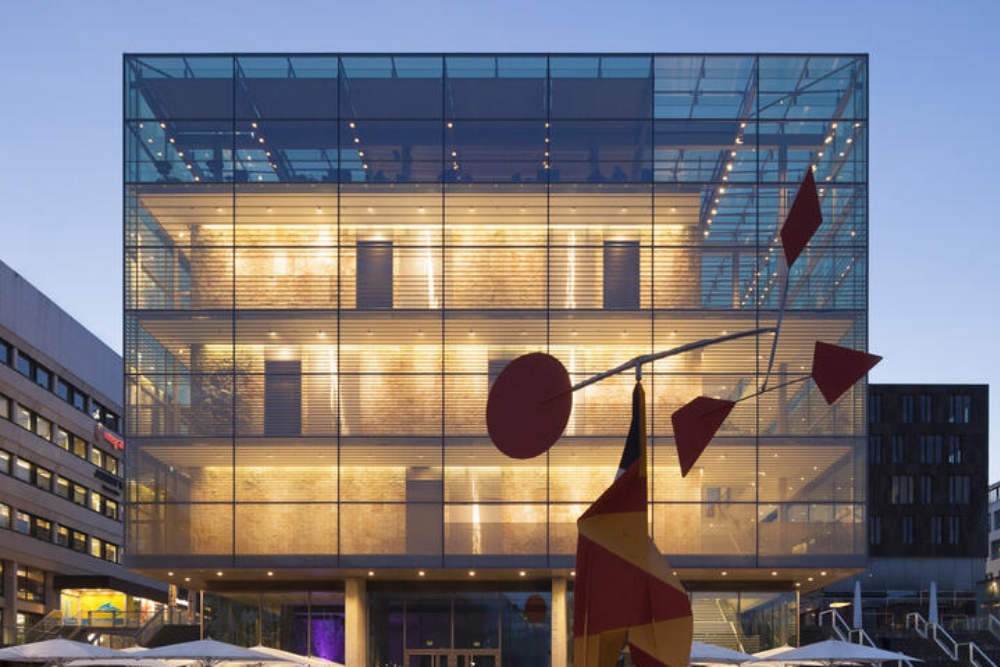
I’m including this because it’s one of the city’s best art museums, but I’ll be straight with you: it’s closed for renovation from April 2026 until roughly early 2027, so you can’t visit on a trip right now. When it reopens, it’s worth your time — the glass cube on Schlossplatz holds Germany’s largest public Otto Dix collection, including his enormous Metropolis triptych and Portrait of the Dancer Anita Berber, with galleries running underground through old road tunnels. The rooftop CUBE restaurant has one of the best views in the city. Save it for next time.
© Kunstmuseum Stuttgart
Linden-Museum
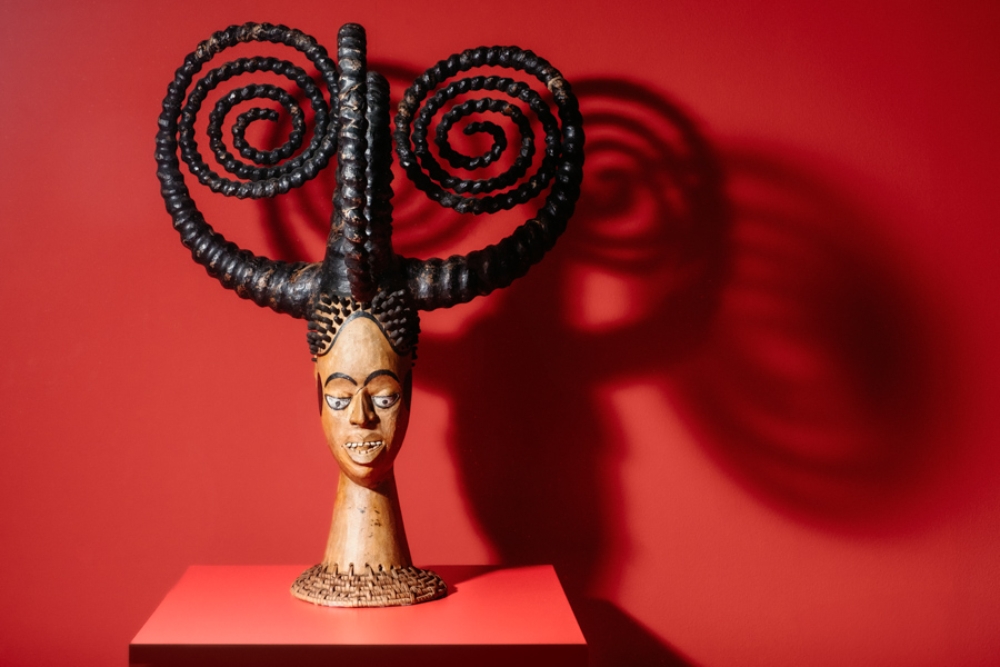
One of Germany’s strongest ethnographic museums, with collections from across Asia, Africa, Oceania, and the Americas, and displays that reviewers consistently praise for clarity. Good for rainy days and anyone who likes cultural depth in their travel.
© Linden-Museum Stuttgart
Natural History and Science
Traveling with kids, or just want a break from horsepower? This is where your money goes furthest in Stuttgart.
Staatliches Museum für Naturkunde (two sites)
This is one museum with two buildings, both in leafy Rosenstein Park, and people routinely flag it as the best-value visit in Stuttgart. Museum am Löwentor focuses on fossils, dinosaurs, and Ice Age creatures; Schloss Rosenstein, a short walk away in a former royal palace, covers habitats and biodiversity. Entry is cheap (low single digits), the exhibitions are genuinely well done, and it’s a reliable hit with kids. Open daily except Mondays, roughly 10:00–17:00.

© naturkundemuseum-bw.de
Carl-Zeiss Planetarium
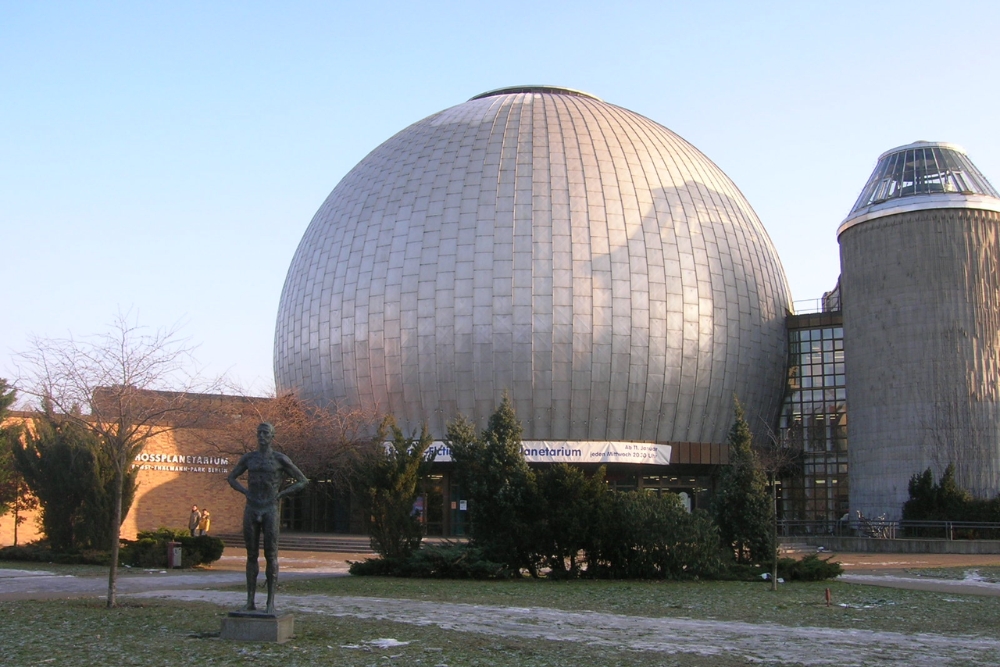
Honest note first: visitors say the projection tech feels dated. But the shows still land, and on a wet afternoon, a reclined seat under a star dome is a fine way to spend an hour. Sessions usually start from 12:30, in the Schlossgarten near the center.
© Wikipedia
History and Culture Museums
These cluster on the Culture Mile and around Schillerplatz — easy to string together on foot.
Landesmuseum Württemberg (Altes Schloss)
Housed inside the Altes Schloss is the old castle on Schillerplatz, with its lovely arcaded Renaissance courtyard. This is the regional history museum, with artifacts running from the Ice Age through the crown jewels of Württemberg. The audio guide is included, which I always appreciate when a place doesn’t nickel-and-dime you.

© Wikipedia
House of History Baden-Württemberg
Right on the Culture Mile, this one tells the region’s modern political and social story, and it’s more engaging than it sounds. It has run free entry in August in past years, worth checking before you go, because that kind of thing changes.

© Atelier Brückner
StadtPalais – Museum für Stuttgart
The city’s own museum (you may see it listed under its old name, Wilhelm Palais), telling Stuttgart’s story in a hands-on, family-friendly way. The permanent exhibition is often free, and it’s free with the StuttCard.

© Stadt Stuttgart
Museum Hotel Silber
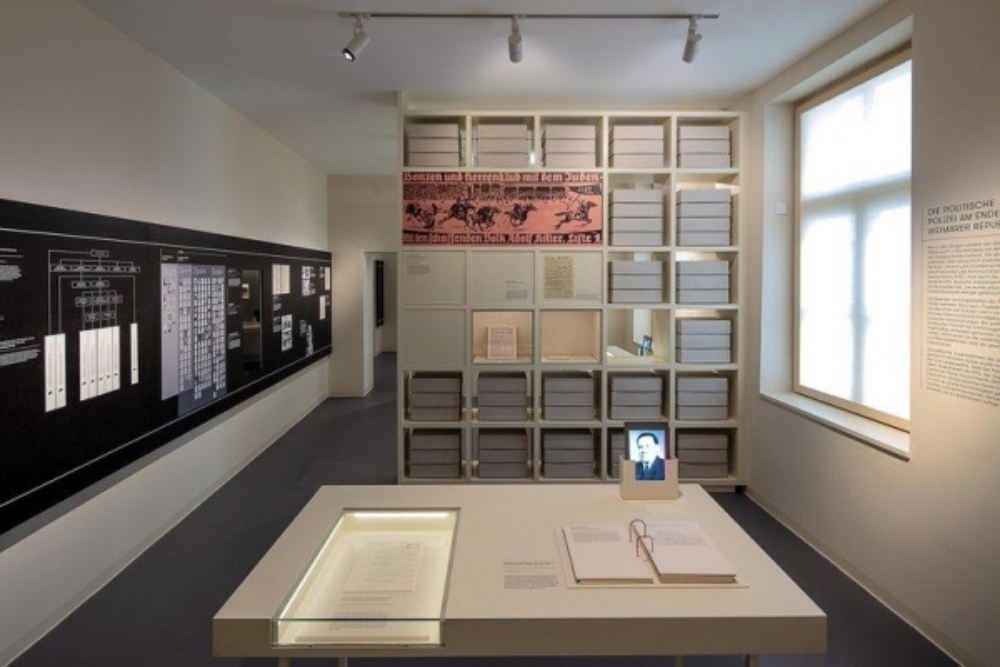
For decades, this building was the regional headquarters of the Gestapo, and it’s now a memorial and documentation center on Nazi persecution. Worth going in with the weight of that in mind.
© Museen.de
Smaller picks
A couple of small museums round things out: Hegel House, the philosopher’s birthplace, gets warm reviews for its tight curation, and the Haus der Musik at Schillerplatz is interactive and free to enter.
Quirky and Unusual Museums
Stuttgart does odd well — the offbeat collections I’d make room for once you’ve done the big names.
Schweinemuseum (Pig Museum)
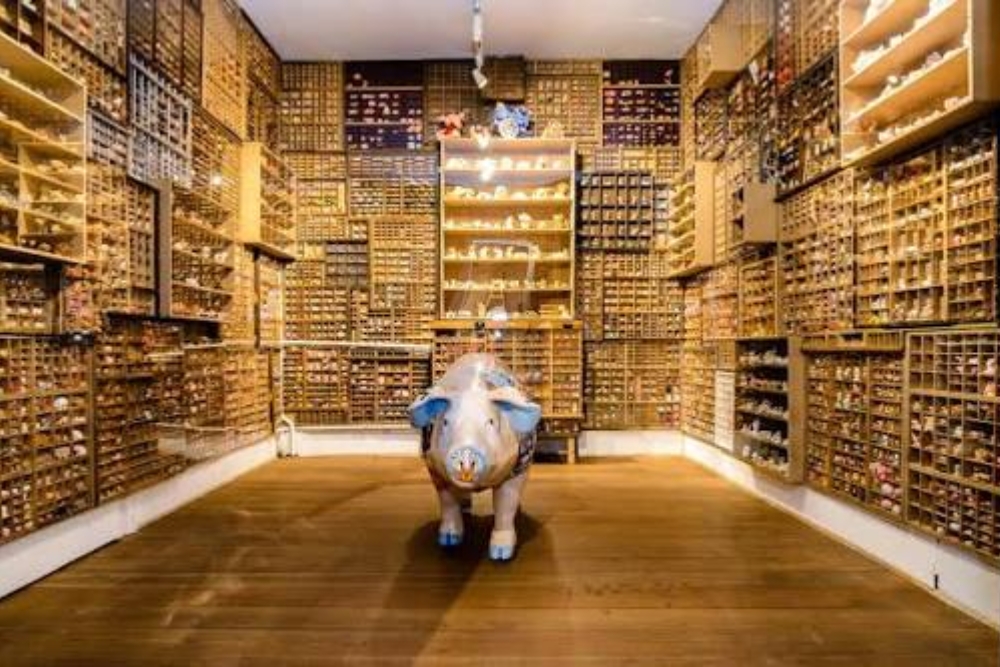
Yes, really — and it claims to be the world’s largest. More than 25,000 pig-themed objects across a former slaughterhouse, which is either delightfully absurd or faintly unhinged, depending on your mood. It’s free with the StuttCard, and it’s exactly the kind of odd, specific place I love. Go with a sense of humor.
© Schweine Museum Stuttgart
Museum der Illusionen
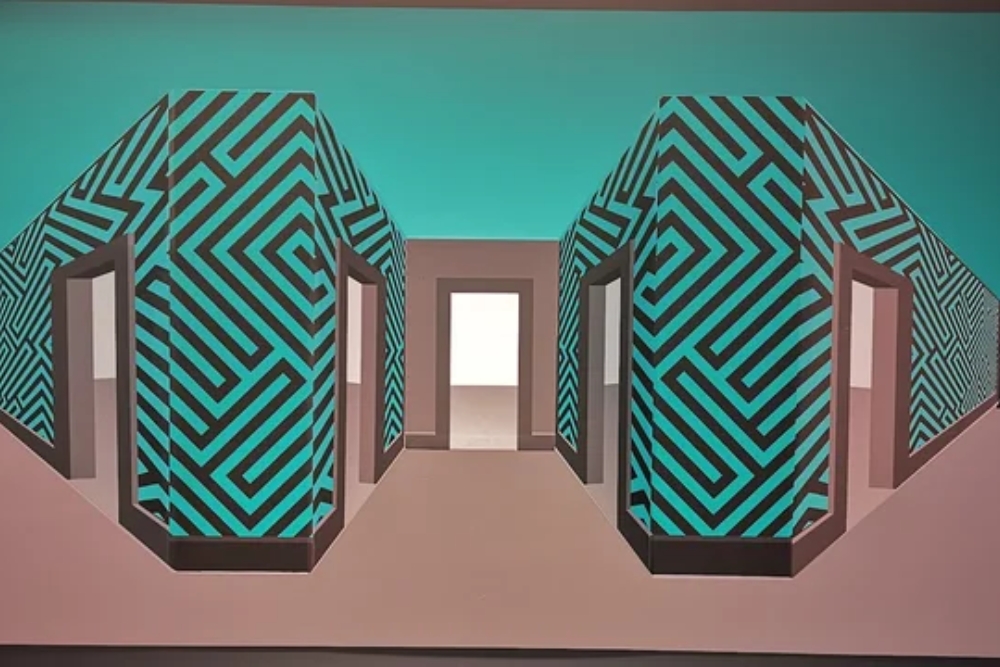
Optical illusions, tilted rooms, and photo-bait — fun in a group or with kids, less essential if you’re solo and short on time. It’s an attraction, not an art museum, despite how it’s sometimes labeled.
© Mindtrip
Weinbaumuseum (Wine-Growing Museum)
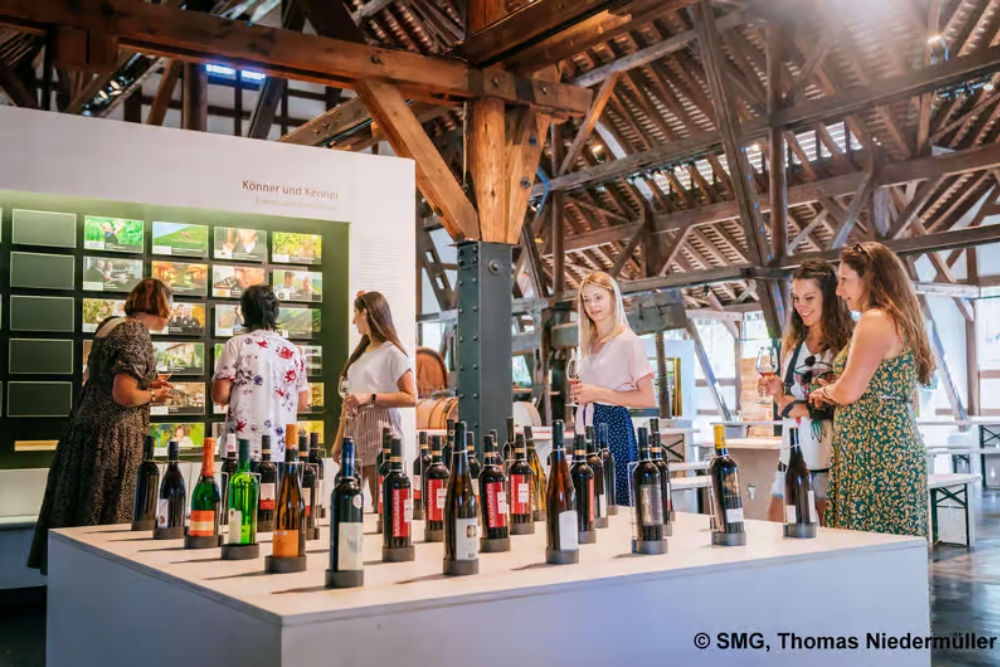
Out in the Uhlbach vineyards on the city’s edge, this small museum tells the story of Stuttgart’s surprising wine country, with tastings on offer. Honest caveat from past visitors: the layout and signage can leave you wandering. Pair it with a walk through the vines and it makes sense.
© GetYourGuide
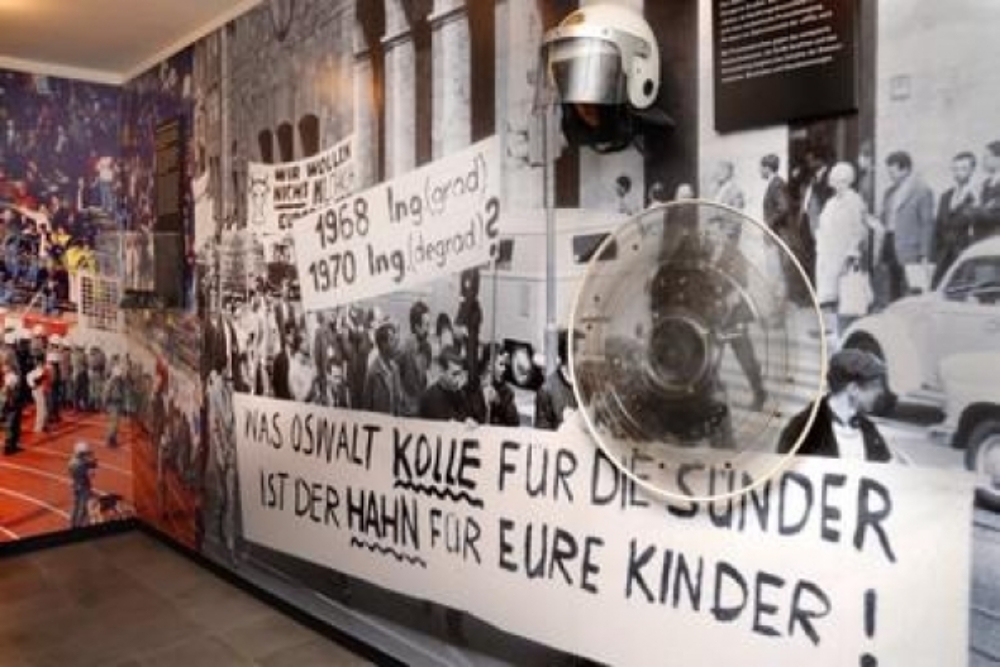
Polizeimuseum
A small, niche police-history museum that fans rate highly, one for the curious and the completists.
© Museen.de
Weissenhofmuseum (in the Le Corbusier House)
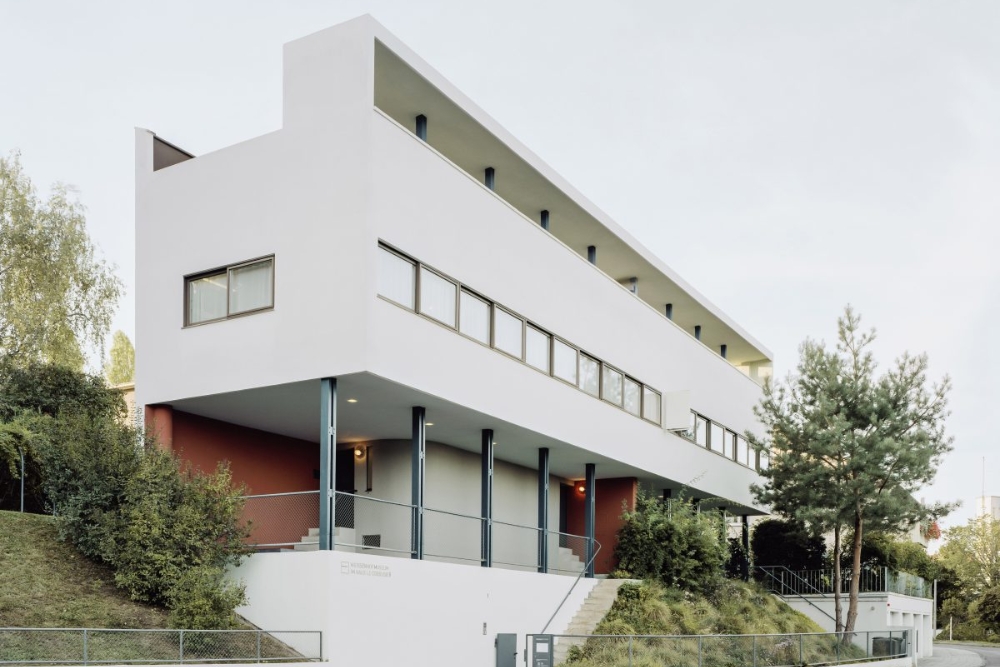
For anyone into design or architecture, this is a real find. It sits inside one of two Le Corbusier houses on the 1927 Weissenhof Estate — a UNESCO World Heritage Site since 2016 —, and it’s the only flat in the estate you can actually walk through, recently restored inside and out. Entry is €6.50, free with the StuttCard.
© Weissenhofmuseum im Haus Le Corbusier
Where to Eat at (and near) the Museums
A real perk here: several museums have proper food, not just vending machines.
- Mercedes-Benz Museum: a café-bar on Level 1 for a quick stop, plus Bertha’s Restaurant (Tuesday to Sunday, roughly 11:30–16:00) if you want a sit-down lunch built into the visit.
- Porsche Museum: the fine-dining Christophorus restaurant, the more casual Boxenstopp bistro, and a coffee bar. The shop and a coffee are accessible even without a museum ticket.
- Staatsgalerie: the Fresko café-restaurant on site, handy on a free Wednesday.
- Out in the city center, the Schlossplatz and Schillerplatz museum cluster puts you within steps of Swabian classics. Skip the museum café and go find proper Maultaschen (Swabian filled pasta) or Kässpätzle nearby — it’s better food and usually cheaper.
Free and Cheap Museum Days
Stuttgart rewards a bit of planning:
- The Staatsgalerie permanent collection is free every Wednesday.
- The Haus der Musik is free to enter year-round, and the StadtPalais permanent exhibition is often free too.
- The House of History has free admission in August (check the current year).
- The Porsche and Mercedes-Benz shops are free to walk into, even without a museum ticket.
- The StuttCard covers free entry to around 27 museums — do the maths against how many you’ll actually visit.
Tours and Getting Around
You don’t need a tour to visit Stuttgart’s museums, as they’re easy to reach on the VVS public transport network, and a day ticket plus the cross-discounts is the cheapest way to park. That said, Porsche runs factory tours (Monday to Friday, booked in advance) that start inside the museum, which is the one thing you can’t do on your own. If you’d rather have a driver shuttle you between Mercedes and Porsche, combined private tours are bookable through platforms like GetYourGuide, useful if you’re tight on time, though I’d still take the train.
Museums near Stuttgart for a Day Trip
Got an extra day? A few researched options just outside the city: Ludwigsburg Residential Palace (a short S-Bahn ride north, a huge baroque palace with its own museums), Schiller’s birthplace in Marbach with the German Literature Archive, and — for car people who still aren’t done — the enormous Auto & Technik Museum in Sinsheim, about 50 minutes away, where you can climb inside a Concorde.
So, is Stuttgart Worth it for Museums?
If you love cars, it’s close to unbeatable; the Mercedes-Benz and Porsche museums are both genuinely world-class, and I’d plan a trip around them. But the city quietly over-delivers beyond the engines: a free-on-Wednesdays art collection, a weird pig museum, dinosaurs in a park, and Le Corbusier’s modernist living machine. Do it on a StuttCard, eat the Maultaschen, and you’ll spend less than you’d think.
