
How to Prepare for a Museum Visit (So You Actually Enjoy It)
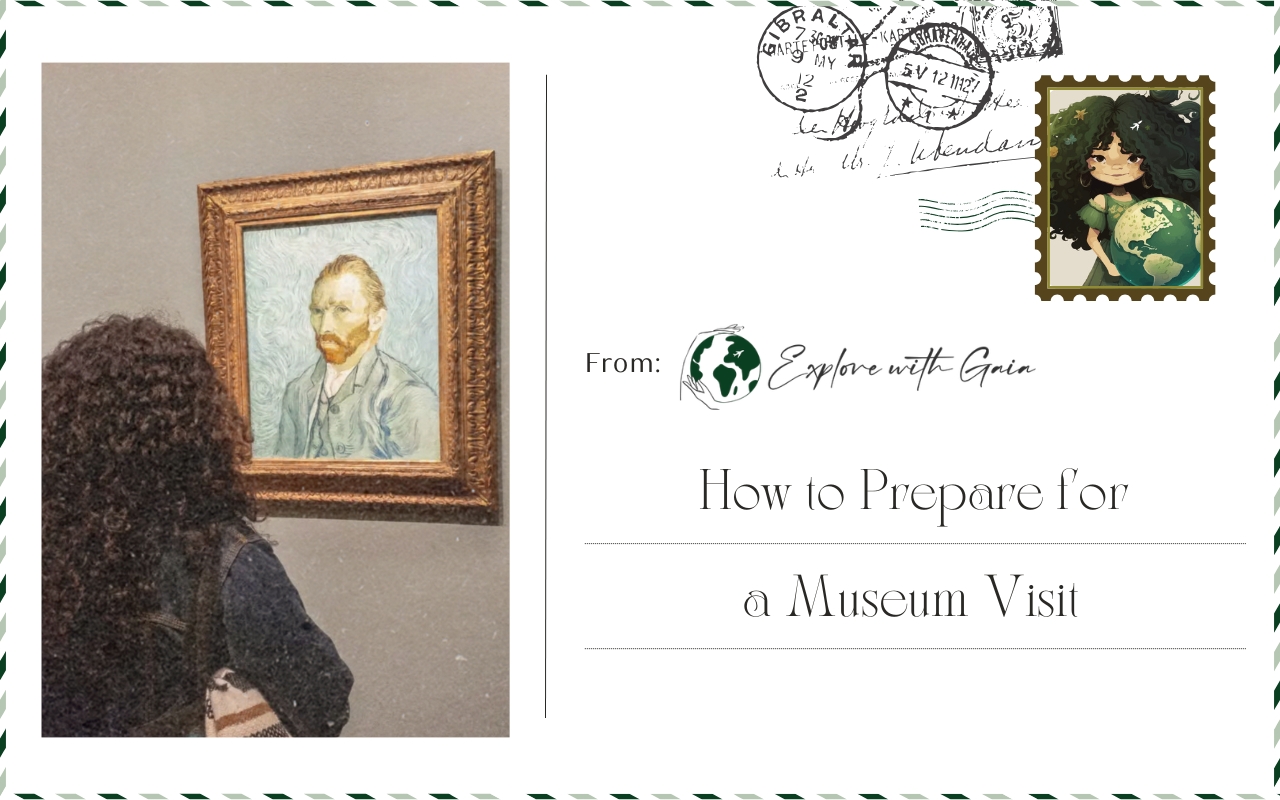
I’ve walked out of museums on a complete high, and I’ve walked out of a few feeling as if I’d just wasted twelve euros and my afternoon. The YSL Museum in Marrakech was one of the disappointing ones for me — small, pricey, and over before I’d really warmed up. Then there are the rooms I still think about, like standing in front of a Van Gogh and realizing no print ever does the texture justice.
Most of the time, the difference wasn’t the museum. It was how I showed up. After 100-plus museums across the places I’ve visited, I’ve figured out that a little prep — what you book, what you bring, what you wear, and how you actually look at the art — decides whether you leave inspired or just tired. Here’s everything I do before I walk through the door.
The biggest mistake I made early on was treating museums as a “turn up and wander in” activity. For the big institutions, that’s how you end up in a 90-minute queue or, worse, at a locked door on a closure day.
Here’s what I check before every visit:
- Tickets and timed entry. Major museums (for example: the Louvre, the Uffizi, the Van Gogh Museum, La Casa Azul Frida Kahlo) now operate on timed-entry slots, and they sell out. Book directly on the official website, as third-party resellers (GetYourGuide, Tiqets, or Viator) usually just add a fee. But they save the day when you’re desperate.
- Free days and city passes. Loads of museums have free entry on the first Sunday of the month or after a certain hour. If you’re on a budget like me, that one search can save you real money.
- Bag and photography rules. Some places ban large bags, tripods, or flash. Knowing this before I arrive saves a trip back to the cloakroom.
- Opening hours and closures. Most museums shut one day a week (often Monday or Tuesday) and on national holidays.
And the most useful tip of all: don’t try to see everything. Pick three to five pieces you actually want to stand in front of. Trying to walk every hall is how you get “museum fatigue” — that glazed-over feeling where nothing lands anymore. I’d rather see five things properly than 500 in a blur.

Best Time of Day to Visit a Museum (Beating the Crowds)
If there’s one thing that decides how much you enjoy a museum, it’s when you walk in. The same gallery can feel calm and almost private, or like a rush-hour metro platform with paintings.
My rule is simple: go for the very first entry slot of the morning, or the last 90 minutes before closing. Early, you get quiet rooms before the tour groups arrive; late, the crowds have thinned, and the staff isn’t yet shooing anyone out. The dead middle of the day — roughly 11 am to 3 pm — is the worst, especially in summer.
Weekdays beat weekends every time, and Tuesday to Thursday tend to be the quietest. One honest catch: those free-entry days I mentioned are wonderful for your wallet, but packed, so if you hate crowds more than you love saving money, pay and go on a quiet morning instead. And rainy days fill museums fast, since everyone has the same idea.
What to Bring to a Museum
Packing for a museum sounds excessive until you’re an hour in with aching feet and a numb shoulder. This is my actual list, and every item earned its place the hard way:
- Comfortable shoes. You’ll walk and stand on hard floors for hours. This is not the day for new sandals.
- A light layer. Museums are kept cool and dry to protect the art, so they’re often colder than the street outside. I’ve shivered through entire galleries because I underestimated this.
- A small bag worn on the front. Big backpacks are either refused at the door or checked. A small crossbody slung on your front keeps you hands-free and keeps you from swinging into a painting.
- Headphones. The free audio apps I’ll get to below completely change the experience.
- A little cash. Cloakrooms and lockers sometimes need coins, and not every gift shop café takes cards.
- A refillable water bottle and a notebook. Most museums have fountains, and jotting down a piece or an artist beats trying to remember later.
What to Wear to a Museum
There’s no dress code at most museums, so wear what makes you comfortable — the priority is layers and shoes you can stand in all day, not looking the part. I go for something I can move in, with a jacket or cardigan I can take on and off as the temperature shifts between rooms.
Two things worth flagging. First, if your museum sits inside or beside a religious site, for example, a cathedral treasury, a mosque, or a working monastery, you may need to cover your shoulders and knees to get in. I keep a light scarf in my bag for exactly this. Second, skip heavy coats if you can, because many museums make you check them, and the cloakroom queue at closing time is its own special kind of misery.
Comfort over outfit, every time. Nobody in the gallery is judging your shoes, but your feet will absolutely judge you.
Free Apps and Websites That Make Any Museum Better
This is the part I wish someone had told me years ago. You do not need to pay for the rental audio guide at the desk. Some of the best museum companions are free, and a few work from your sofa before you even travel.
Google Arts & Culture (artsandculture.google.com) is the one I’d start with. It partners with thousands of museums worldwide, and the “Art Camera” lets you zoom into a painting so closely you can see individual brushstrokes and cracks in the varnish — detail you’d never get behind a barrier in person. You can take virtual Street View walks through galleries before you go, browse collections by color or time period, and even use the Art Selfie feature to find a portrait that looks like you. I use it to plan which pieces I want to find once I’m actually there.
A few more free apps worth downloading:
- Smartify. Point your phone at a painting, and it identifies the work, the artist, and the story behind it, with audio commentary for hundreds of partner museums. It works offline and saves everything you scan into your own collection. It’s like a personal docent in your pocket.
- Bloomberg Connects. A single free app holding guides to over 1,250 museums and galleries, including the Met, MoMA, and the Guggenheim. Many large institutions now use it as their official guide, so a single download covers dozens of places, with audio and video in multiple languages.
- izi.TRAVEL. Thousands of free self-guided audio tours across more than a hundred countries, and it stretches beyond museums into whole-city walking tours.
My move now: download Smartify and Bloomberg Connects, bring my own headphones, and skip the paid guide entirely.
What Is the 70/30 Rule in Art?
This one quietly changed how I look at paintings. The 70/30 rule is a composition guideline artists use: roughly 70% of a piece is given to one dominant element — a color, a tone, a shape — while the remaining 30% provides contrast or an accent. That deliberate imbalance creates a focal point and draws your eye to a specific place.
A perfect 50/50 split tends to feel flat because nothing leads. The 70/30 lean gives a painting somewhere to land and a reason to keep looking.
Why does this matter for your visit? Because once you know to look for it, you start to see why certain works grab you across the room while others slide past. Stand back from a piece, notice what fills most of the canvas and what the small contrasting part is doing, and a painting that looked “fine” suddenly makes sense. Honestly, little frameworks like this are what make a museum interesting rather than a march past gold frames — you stop scanning and start reading the art.
Museum Do’s and Don’ts
A quick, honest list of museum etiquette, most of which I learned by getting a polite look from a guard:
- Do wear your backpack on your front in crowded rooms — it protects the art and the people behind you.
- Do ask a staff member or docent which piece is their favorite. It’s the fastest way to find a hidden gem that the audio guide skips.
- Do step back and look at pieces from different distances and angles.
- Don’t use flash photography. It damages artwork, and it’s banned in most places for a reason.
- Don’t touch anything, and keep your bag and elbows away from the walls.
- Don’t feel you have to read every single plaque. Skim, follow what catches your eye, and move on.
- Don’t rush. If it’s a big museum, give it half a day and take breaks in the café.
Keep your voice down, let others have their moment in front of a piece, and you’ll fit right in.
The Museum Gift Shop: What’s Actually Worth Buying
I have a soft spot for museum shops, but I’ll be honest with you: most of what’s in them is overpriced. The branded tote bags, the fridge magnets, the little resin statues, etc., you’ll pay a premium for things you can find cheaper almost anywhere.
The two things I genuinely spend on are postcards and exhibition books. Postcards are a euro or two, they reproduce the artwork properly, and they make far better keepsakes than another magnet. The books are the place to splurge if a piece really moved you, because they give you accurate history and detail to take home, rather than half-remembered plaque text.
These days, I also look for something wearable, such as a scarf with a print from the collection, a piece of jewelry, or a well-made tee. It’s the kind of souvenir I actually use, instead of one that gathers dust on a shelf. Skip the tat, buy the postcard, and if a painting stopped you in your tracks, let yourself buy the book.
The Café Inside the Museum: Skip It or Sit Down?
Museum cafés have a reputation, and mostly it’s deserved — you’re paying captive-audience prices for a coffee and a so-so sandwich. So is it worth it? Sometimes, yes.
A proper sit-down break is the real fix for museum fatigue. When your feet hurt and the paintings start blurring together, fifteen minutes off them does more for the rest of your visit than pushing through ever will. For that alone, the café earns its place.
Two things to check first. One, the re-entry rules: some museums stamp your hand or re-scan your ticket so you can step out and come back, while others are one-way only, which changes whether you should eat in or save it for after. Two, your budget. If money’s tight, eat better and more cheaply at a spot down the street, or bring a snack to eat outside where food’s allowed. My usual move: a quick coffee inside to recharge mid-visit, and the real meal somewhere local afterward.
A Final Thought Before You Go
The museums that stayed with me weren’t always the famous ones — they were the visits where I’d done a bit of homework, worn the right shoes, and slowed down enough to actually look. You don’t need to be an art expert. You just need a booked ticket, a packed bag, a free app loaded up, and permission to skip the rooms that bore you.
Do that, and even a museum you weren’t sure about can surprise you. And if it doesn’t? That’s allowed too — not every museum is worth it, and I’ll always tell you which ones I’d skip.
