
Two Weeks in Uzbekistan: Silk Road Cities, Soviet Legacy & the Aral Sea
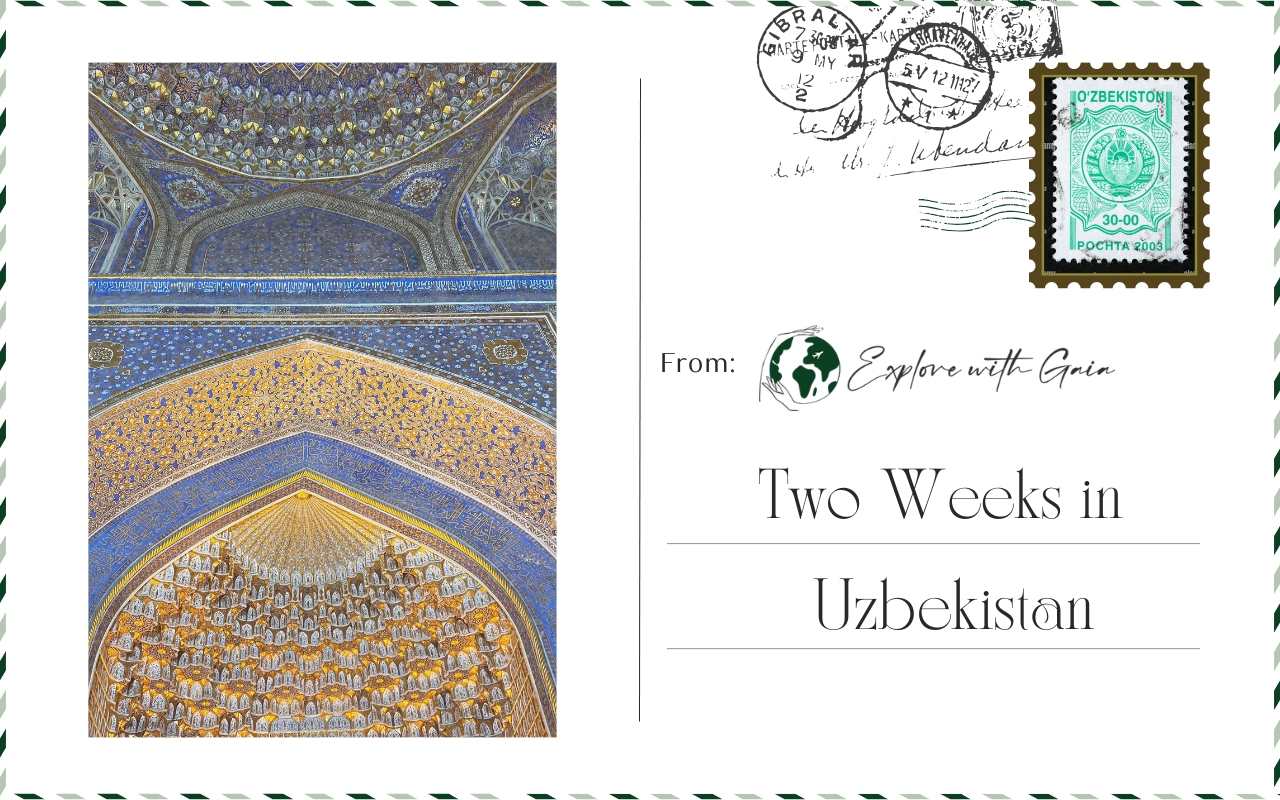
I came to Uzbekistan for the turquoise domes and Silk Road legends, eager to walk where caravans once traded silk and spices, to photograph Registan Square at sunset, and to lose myself in the maze of Bukhara’s old town. What I didn’t expect was that a dying sea—hundreds of kilometers from any tourist trail—would become the most powerful moment of my entire two-week trip.
I spent fifteen days traveling from Tashkent to the Aral Sea and back, riding Soviet-era trains, getting lost in taxi nightmares, and spending around €3,500 in total—including flights via Abu Dhabi, hotels averaging €140 per night, and meals at around €25 each. Here’s what really happens when you travel independently through Uzbekistan—the architectural wonders, yes, but also the Soviet murals, the transport incidents, and the moments that change how you see the world.
Absolutely yes, but not for the reasons you might think. Everyone comes for the Silk Road architecture, and trust me, standing in Registan Square in Samarkand is as breathtaking as every photo promises. The turquoise domes do shine in that impossible blue light; the tilework is genuinely mesmerizing. However, Uzbekistan earned its place in my memory for something more profound.
This is the country for you if you want to understand how history keeps reshaping places, if you’re curious about Soviet Central Asia beyond the postcards, and if you can appreciate both the beautiful and the tragic. It’s also perfect if you want authentic experiences without massive tourist crowds—even Khiva, the “museum city,” felt pleasantly empty compared to European hotspots.
Skip Uzbekistan if you need luxury at every turn, can’t handle occasional chaos, or only want picture-perfect moments without the complicated stories behind them.
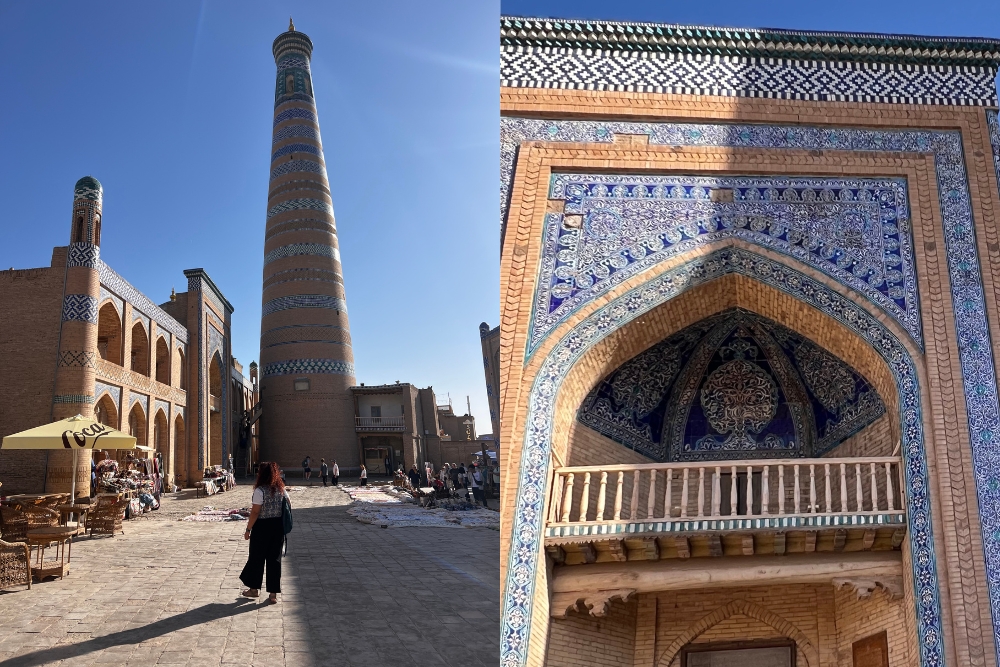
© Gayane Mkhitaryan, Islam Khoja Minaret & Complex, Khiva
Planning Your Uzbekistan Journey: What I Learned
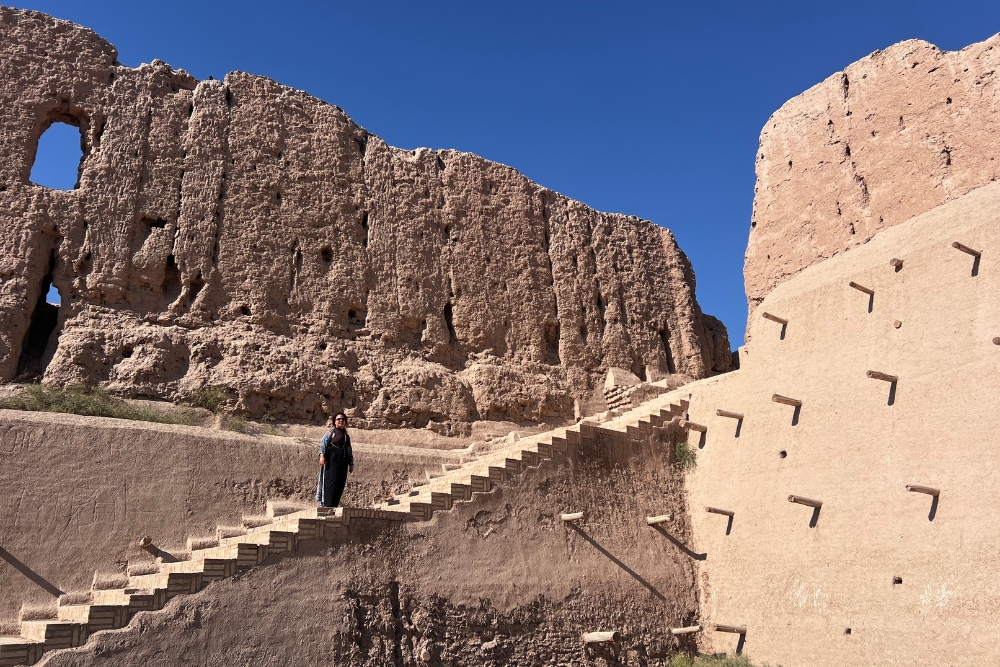
© Gayane Mkhitaryan, Kyzyl Kala
Best Time to Visit
I traveled in September, and the timing was nearly perfect. The heat that makes summer unbearable had broken, but it wasn’t yet cold enough to make early morning mosque visits miserable. Temperatures ranged from pleasant to warm, ideal for walking through old towns and standing in courtyards, where one could spend hours photographing tilework.
September through October is that sweet spot—comfortable weather, harvest season (the markets overflow with fruit), and fewer tourists than spring. November starts getting chilly, especially in Khiva and near the Aral Sea. If you’re taking the Aral Sea tour, as I did, September’s moderate temperatures make camping more comfortable.
Visa and Entry Requirements
As of 2026, many nationalities (including EU, US, and UK citizens) can enter Uzbekistan visa-free for up to 30 days. Check the current requirements for your nationality before booking, as entry has become significantly easier than it was even a few years ago. I just showed up with my passport and walked through—no visa dramas, which was a relief. However, you will need a registration, which the hotels will provide; don’t worry.
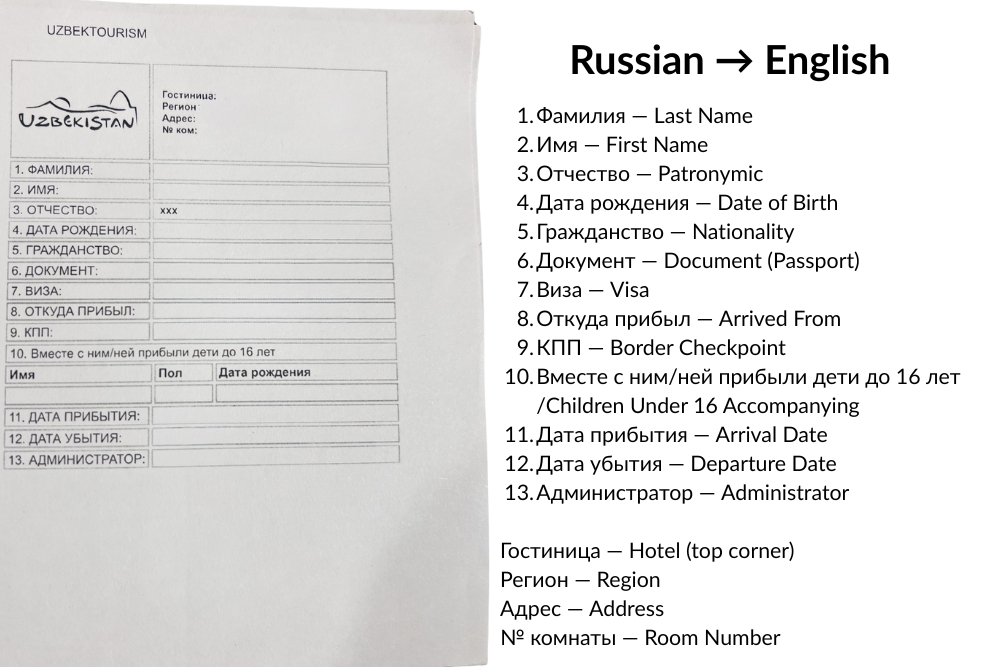
© Gayane Mkhitaryan, example tourist registration in Uzbekistan (Регистрация туристов в Узбекистане)
The Real Cost of Traveling in Uzbekistan
Let me be specific about what I actually spent over two weeks:
- Hotels: €1,500 total (averaging around €120 per night for mid-range, comfortable places—not luxury, but clean and well-located)
- Flights: approximately €340 total, flying via Abu Dhabi since there are no direct flights from Armenia. If you travel from Europe, you will most likely choose to fly via Istanbul.
- Food: Around €25 per meal on average (you can eat cheaper at local places for €5-10, but nice dinners and tourist-friendly restaurants cost more, especially if you order alcohol.)
- Transportation: Train tickets between cities ranged from €8-15, the Aral Sea tour cost an extra €350 per person, and taxis within cities were usually €2-5
Total budget: Approximately €3,500 for a two-week period, covering all expenses. You could absolutely do it cheaper by choosing budget hotels and eating only at local spots, but this gave me comfort without breaking the bank.
How Many Days are Enough in Uzbekistan?
The short answer: 10 days covers the essentials comfortably.
That gives you enough time for the classic Silk Road circuit—Tashkent, Samarkand, Bukhara, and Khiva—without feeling rushed. You’ll hit all the major sites, have time to wander the old towns, and still catch your breath between cities.
I chose two weeks because I wanted to add Nukus and the Aral Sea, which require extra travel days and are not typically included in most itineraries. Those additional days also gave me breathing room to return to Tashkent without stress, which was important when the Urgench-Nukus train was canceled and plans had to be shifted to a private taxi driver.
Uzbekistan Sample Itineraries: Just Choose Your Route
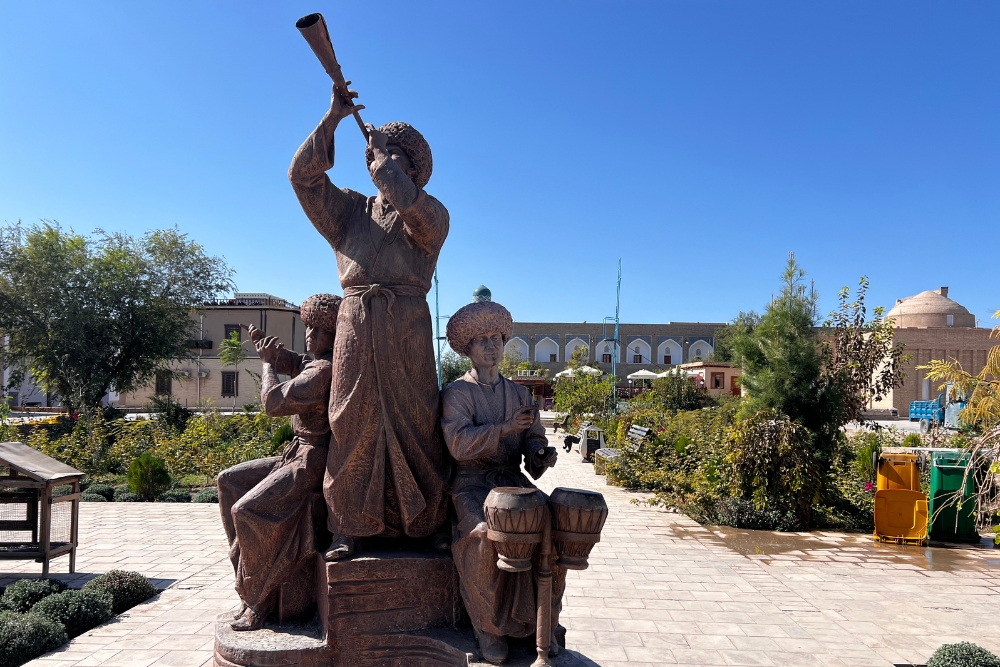
© Gayane Mkhitaryan, Silk Road Sculpture
One Week: The Essential Silk Road
If you only have 7 days:
- Day 1: Arrive in Tashkent, explore the city
- Day 2: Train to Samarkand (morning), explore Registan
- Day 3: Full day Samarkand (Smore slowlyZinda, Bibi-Khanym)
- Day 4: Train to Bukhara, afternoon exploring
- Day 5: Full day in Bukhara
- Day 6: Train back to Tashkent
- Day 7: Depart
This misses Khiva and the Aral Sea but covers the most famous sites efficiently.
Two Weeks: The Complete Experience (My Route)
This is what I did, and I’d recommend it:
- Days 1-2: Tashkent (arrive September 20, explore September 21)
- Days 3-4: Samarkand (September 22-23)
- Days 5-6: Bukhara (September 24-25)
- Days 7-8: Khiva (September 26-27, including Ayaz Kala day trip on September 27)
- Day 9: Travel from Urgench to Nukus (September 28, via taxi—Volgograd express was canceled)
- Days 10-11: Aral Sea tour (September 29-30, overnight in a yurt)
- Day 12: Nukus (October 1)
- Day 13: Overnight train from Nukus to Tashkent (October 2, 13:58 departure)
- Day 14: Tashkent (October 3)
- Day 15: Depart (October 4)
Transit times from my actual journey:
- Tashkent to Samarkand: ~2.5 hours (Nasaf train, 9:12 AM)
- Samarkand to Bukhara: ~3.5 hours (Sharq train, 12:15 PM)
- Bukhara to Khiva: ~7-8 hours (passenger train, 7:12 AM)
- Urgench to Nukus: ~2-3 hours (taxi as the Volgograd express was canceled)
- Nukus to Tashkent: ~16 hours (overnight train 13:58)
Ten Days: Skip the Aral Sea
If the Aral Sea doesn’t appeal to you or you want to move more slowly:
- Days 1-2: Tashkent
- Days 3-5: Samarkand (add a day trip to Shakhrisabz)
- Days 6-7: Bukhara
- Days 8-9: Khiva
- Day 10: Return to Tashkent, depart
This gives you more breathing room in each city without the physically demanding Aral Sea component.
The Silk Road Cities: Which Ones to Choose
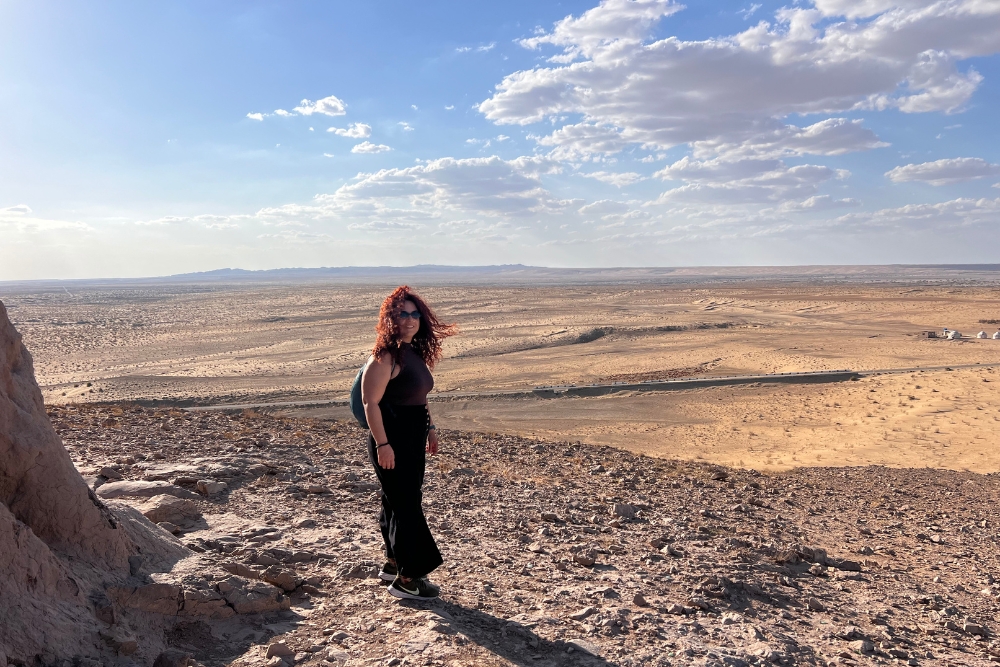
© Gayane Mkhitaryan, Ayaz Kala Fortress, Kyzylkum Desert
Tashkent: The Soviet-Modern Gateway
We had a full day to explore Tashkent, which isn’t what most people imagine when they think of “Uzbekistan.” It’s a sprawling, modern capital rebuilt after a devastating 1966 earthquake, and Soviet reconstruction is evident everywhere—massive public squares, brutalist metro stations decorated with unique mosaics, and wide boulevards designed for military parades.
I spent two nights here, using it primarily as my arrival and departure point. But Tashkent deserves at least one full day. What surprised me: how green Tashkent is. Tree-lined streets and parks everywhere, which you don’t expect in this climate.
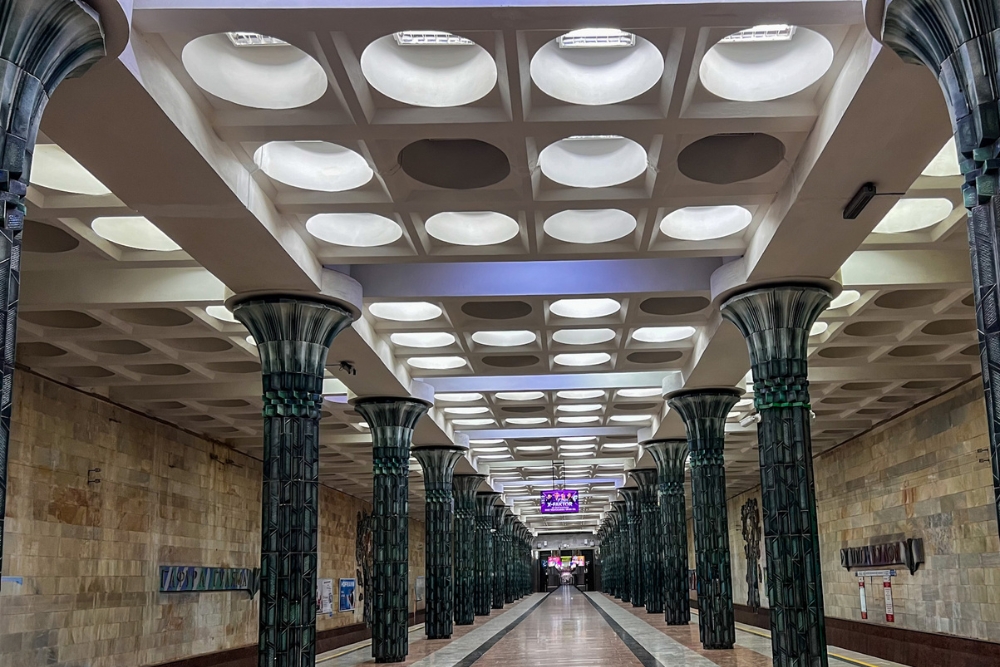
© Gayane Mkhitaryan, Gafur Gulom (Ғафур Ғулом) metro station in Tashkent
Samarkand: The Silk Road’s Crown Jewel
Registan Square, with its stunning turquoise and cobalt tilework, captivated me at sunset on September 22nd. I dedicated two full days to Samarkand, exploring Registan, Shah-i-Zinda necropolis, Bibi-Khanym Mosque, and Gur-e-Amir mausoleum. The city has excellent infrastructure for tourists, including good restaurants, comfortable hotels, and easy transportation. It’s also where you’ll encounter the most tour groups, so consider visiting major sites early in the morning or late in the afternoon to avoid the crowds.
Budget reality: Expect to spend €30-40 per day here beyond accommodation—entrance fees add up when every major site costs €3-5.

© Gayane Mkhitaryan, Samarkand train station
Bukhara: Where Time Stands Still
If Samarkand is the showpiece, Bukhara is the soul. I spent two days here, and I could have easily stayed longer. The entire old town is a UNESCO World Heritage site, a maze of madrasahs, bazaars, and merchant houses that hasn’t changed much in centuries.
What makes Bukhara different? It’s more intimate, more lived-in. People actually work and live in the old buildings. You’ll stumble into courtyards where artisans still practice traditional crafts, find tiny tea houses serving plov to locals, and discover Soviet-era murals hidden behind modern shop facades.
The Ark Fortress, Kalyan Minaret, and Lyab-i Hauz complex are the famous spots, but Bukhara rewards wandering without a plan. I spent hours just walking random alleys, photographing doorways, and getting pleasantly lost.
Soviet bonus: Bukhara has fascinating Soviet-era residential areas just outside the old town—stark apartment blocks that create an interesting contrast with medieval architecture.
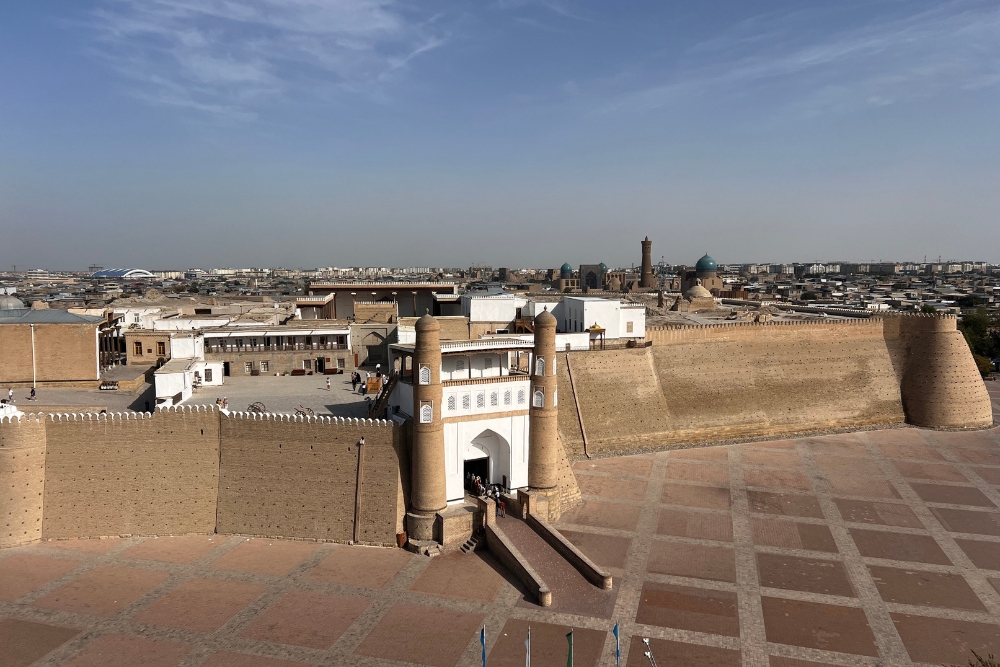
© Gayane Mkhitaryan, Ark of Bukhara from above
Khiva: The Open-Air Museum City
Khiva is unlike anywhere else in Uzbekistan—the entire walled city of Itchan Kala is essentially one massive monument. Every building is either a mosque, madrasa, palace, or minaret, all packed into an area you can walk across in 15 minutes. It’s as if someone has preserved a medieval Silk Road city exactly as it was, removing all the modern mess. You should pay to enter the city, as it’s a museum under an open sky, but we were lucky as it was free on Fridays and Sundays, according to the local taxi driver. It’s a small city, but I wish I had one more day there.
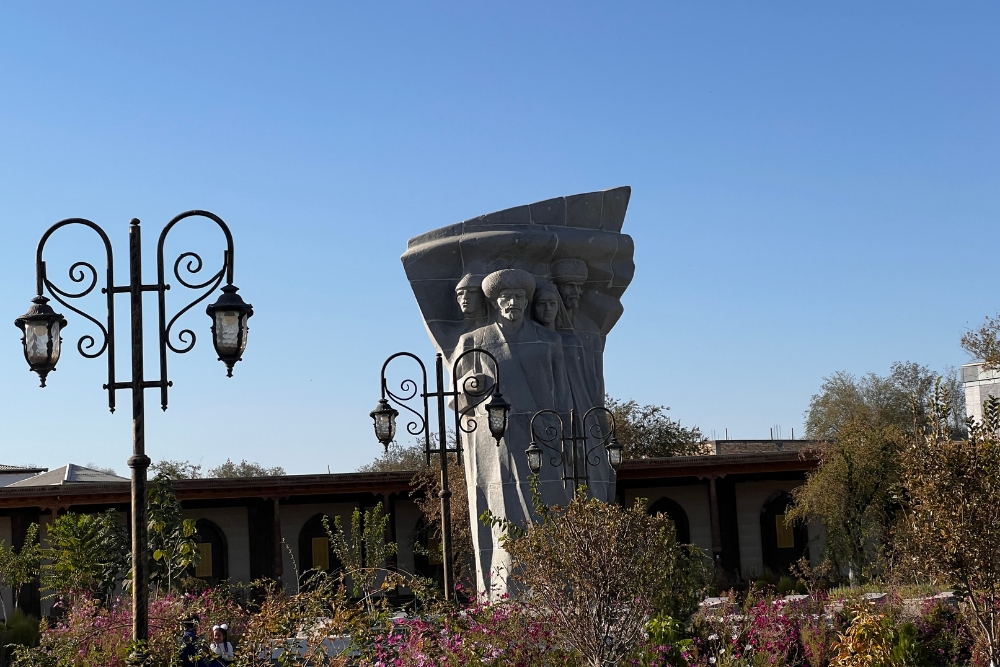
© Gayane Mkhitaryan, WWII memorial Khiva
Urgench: The Necessary Transit Stop
Let’s be honest: Urgench exists on tourist itineraries for one reason—it’s where you change trains or catch transport to Khiva or Nukus.. That said, if you have a few hours between connections, Urgench has a decent local bazaar and some Soviet-era architecture worth photographing. It’s a working Uzbek city without tourist polish, which has its own appeal. Just don’t plan your trip around it. For us, we wanted to see Ayaz Kala, Toprakkala, and Kizilkala Fortress, and it was a perfect one-day itinerary.
We took a taxi from Khiva to Urgench, as it’s just 30km away. We put our luggage in the hotel and went to see the Kalas, then returned to Urgench. The next morning, we had two hours to explore the town, spotting some lovely statues and Soviet murals before trying to reach Nukus.
Practical note: Most people overnight in Khiva (a 30-minute drive away) rather than Urgench, which is actually a smart move.
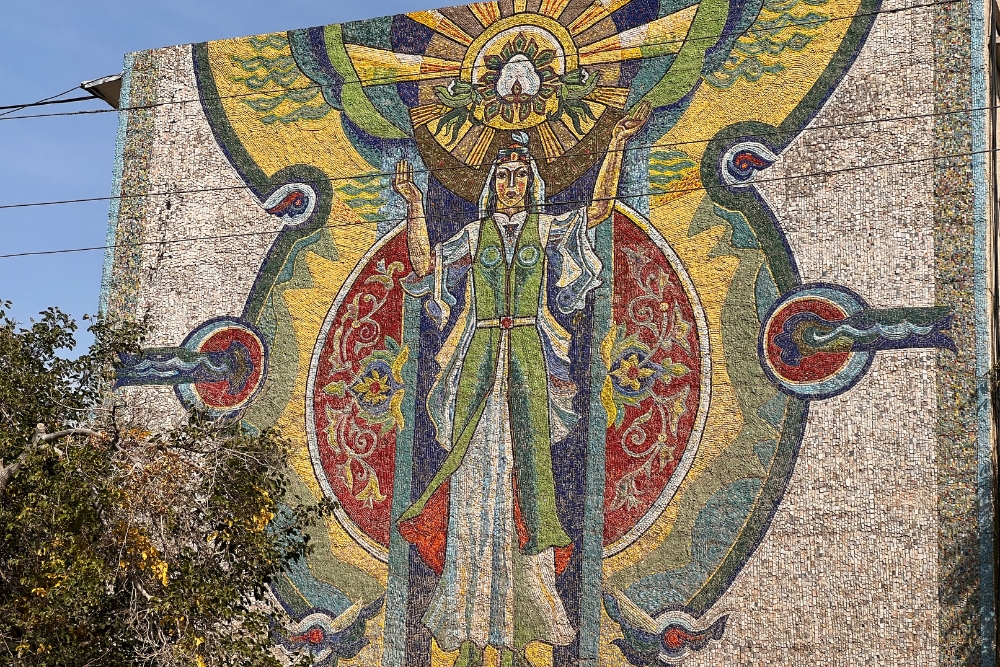
© Gayane Mkhitaryan, Woman with a cotton mural, Urgench
Nukus & The Aral Sea: The Journey That Changes Everything
Nukus, a city planned by the Soviets, is home to the Savitsky Museum, but the highlight is the tour of the Aral Sea. This isn’t a typical Uzbekistan itinerary, but I can say these two days were my favorite because they offer a travel experience that stays with you forever and makes you think differently about the choices societies make.
The Aral Sea, once the world’s fourth-largest lake, has essentially transformed into a desert due to Soviet irrigation practices, resulting in a major environmental disaster. This challenging two-day tour involves camping and rough roads, providing a deeply impactful experience. We took a private tour with Aral Sea Discovery (€700 for two), and it was worth every cent.
Read more: Lost Paradise Experience: My 2-Day Journey to the Aral Sea from Nukus.
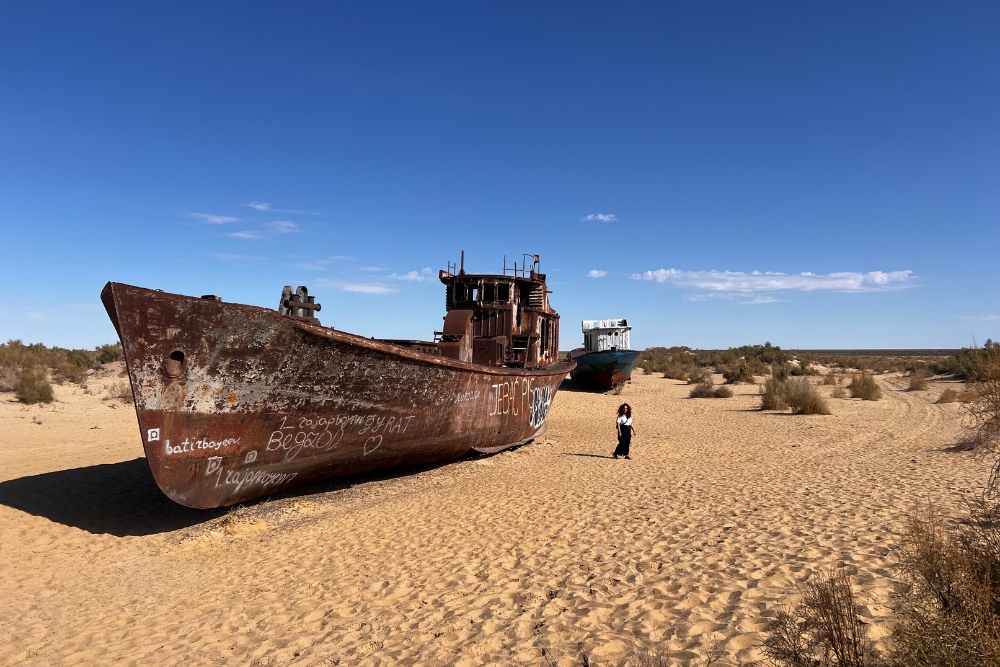
© Gayane Mkhitaryan, Uzbekistan – Aral Sea ship graveyard
The Soviet Legacy Nobody Talks About
Most Silk Road guides skip this: Uzbekistan is as much a Soviet legacy as it is a Timurid empire. And it’s not just history—it’s physically everywhere.
Tashkent’s metro stations are propaganda masterpieces featuring murals that celebrate space exploration and the cotton harvest. In Samarkand, Soviet apartment blocks stand in advance of 14th-century madrasahs. Bukhara’s outskirts are filled with Soviet housing complexes. Even Nukus exists because of Soviet central planning.
What captivated me was the seamless coexistence of these aesthetics. You’ll find yourself photographing exquisite Islamic tilework, only to turn a corner and encounter a Soviet mosaic celebrating industrial progress.
This also matters for practical travel. Soviet infrastructure—trains, hotels, city layouts—makes independent travel possible. The trains I traveled on? Soviet-designed (though modernized). Many hotels? Converted Soviet buildings. Even Russian, as a common language, originates from this era.
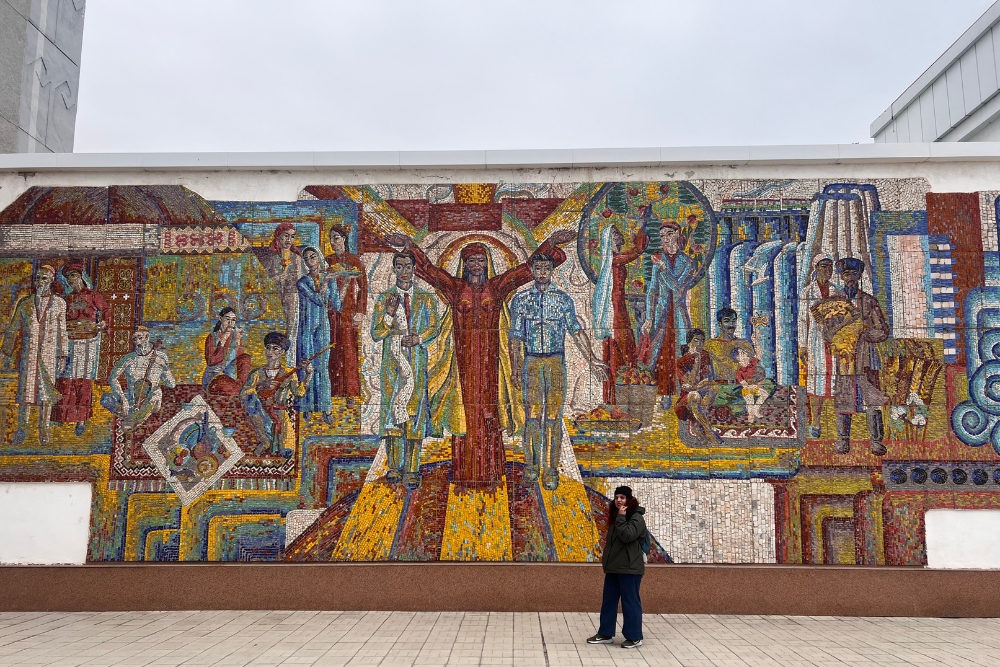
© Gayane Mkhitaryan, Mosaic panel Karakalpakstan near Hotel Tashkent in Nukus
Getting Around Uzbekistan: The Transportation Truth
Uzbekistan’s train system is surprisingly efficient, comfortable, and affordable. Modern Nasaf/Sharq trains (e.g., Tashkent to Samarkand, Samarkand to Bukhara) cost €10-15, include meals, and are 2.5-3.5 hours. Older passenger trains (e.g., Bukhara to Khiva) are slower but offer local atmosphere. Book tickets a few days ahead, especially during peak season, via the Uzbekistan Railways website or at stations.
Check my Uzbekistan Train Travel Guide for routes, booking tips, and real costs.

© Gayane Mkhitaryan, Nasaf (Regional Express Train)
The Bukhara Taxi Nightmare (Learn from My Mistake)
Bukhara’s old town is a walled fortress inaccessible to cars. I nearly missed my 7:12 AM train because I had to walk with luggage through cobblestone streets to a taxi pickup point outside the walls, underestimating the time it would take. The train station for Bukhara is not even in the same city, requiring a 30-minute travel to reach it.
Pro Tip: Book your taxi the night before, confirm the exact pickup location outside the walls, and add 30-45 minutes to your travel time. Bukhara’s charm also poses logistical challenges.
Day Trips and Local Transport
Most cities are walkable once you’re in the old town areas. Taxis within cities cost €2-5 and are easy to find. For day trips, such as Ayaz Kala from Khiva or Urgench or trips to Nurata from Samarkand, you’ll need to arrange transportation through guesthouses or tour operators—this isn’t DIY-friendly infrastructure.
Uzbek Culture & Practical Realities

© Gayane Mkhitaryan, Traditional Uzbek Plov
Food: The €25 Reality
Uzbekistan’s cuisine is hearty, delicious, and meat-centric, making it perfect for those who enjoy pilaf, grilled meats, bread, and tea. Plov, a national dish made with rice, mutton, carrots, and chickpeas, is a must-try, with each region claiming its version is superior. Every meal is accompanied by Non, a round flatbread baked in tandoor ovens, and green tea is a staple.
While sit-down restaurants in tourist areas average around €25 per meal, more budget-friendly options are available. Local chaikhanas (teahouses) offer substantial meals for €5-10, while street food is even cheaper, and bazaar stalls provide fresh bread, fruit, and snacks at a minimal cost. However, expect to pay €20-30 per person for tourist-friendly restaurants offering English menus, a nicer ambiance, and a wider variety beyond plov.
Vegetarian and Vegan Dining: Uzbek cuisine is not particularly vegetarian-friendly, as meat is a central component of the country’s food culture. While salads, bread, and occasional vegetable dishes are available, vegans will face significant challenges in finding suitable options.
Mosque Etiquette & Dress Codes
Uzbekistan is predominantly Muslim, but its practices are relatively relaxed compared to those of some neighboring countries. Still, respect basic etiquette:
- Women: Cover shoulders and knees at mosques and religious sites. A lightweight scarf for your head is a wise choice (some mosques provide them, while others don’t). You don’t need to cover yourself completely; just wear modest clothing.
- Men: Long pants and covered shoulders at religious sites.
- Shoes: Remove them before entering prayer halls—watch what locals do and follow their example.
- Photography: Most mosques allow photos (often for a small fee), but always ask first, especially if people are praying. Never photograph women without permission.
Language Barriers
Uzbek is the official language, Russian is widely spoken (especially by older generations and in urban areas), and English is spoken to varying degrees. In tourist areas of Samarkand, Bukhara, and Khiva, you’ll find English speakers. In Tashkent, younger people often speak some English. Outside major cities? Prepare for gestures and Google Translate.
I managed fine with minimal Russian (hello, thank you, numbers) and lots of pointing. Download offline translation apps and maps—essential.
Money Matters
Uzbekistan uses the Uzbek som as its local currency. While ATMs in cities are generally reliable, be aware of potential daily withdrawal limits. Credit cards are accepted at higher-end hotels and restaurants, but it’s advisable to carry cash for transactions at bazaars, for transportation, and at smaller establishments. When I visited in September 2025, exchange rates were favorable; it’s a good idea to check current rates before your trip.
I exchanged $300 for 3,670,000 Uzbek Soms, which was completely fine, as most places accepted credit cards.
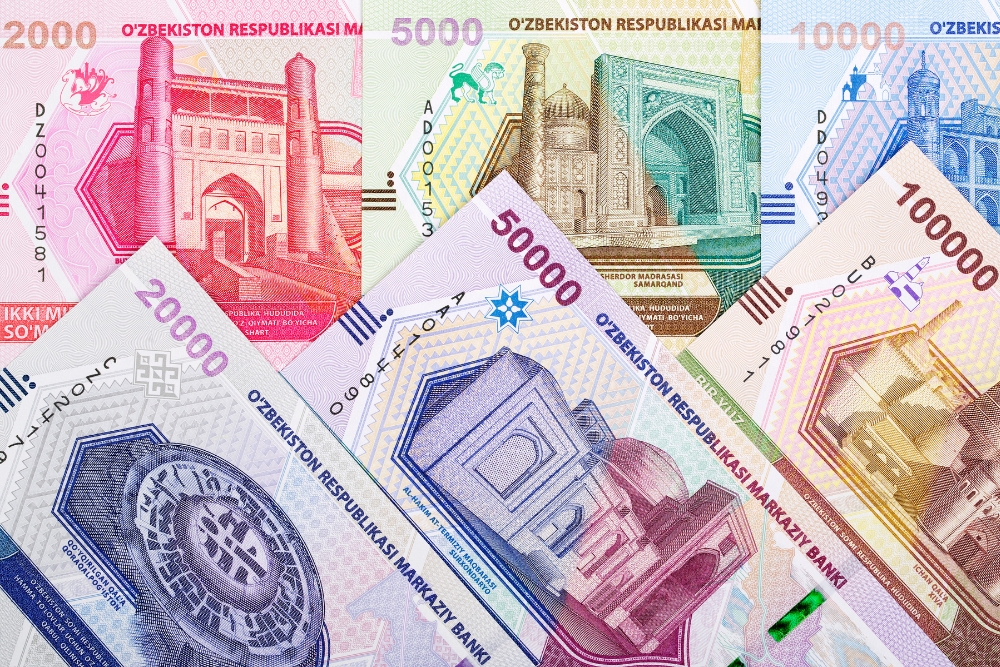
© Gayane Mkhitaryan, UZS – Uzbekistani Som
Why Uzbekistan Stays With You
I expected Instagram-worthy architecture and a Rich history of the Silk Road, and I got those—Registan Square at sunset, the turquoise domes of Shah-i-Zinda, and Bukhara’s maze of streets. They’re all as beautiful as promised.
But what stays with me is the Aral Sea. Standing on that former seabed, surrounded by ships that will never sail again, understanding that human decisions drained an entire sea in my parents’ lifetime—that’s the image I can’t shake.
This itinerary gave me the full picture of Uzbekistan: the Silk Road glory, the Soviet legacy, and the environmental disaster most tourists skip. It’s not just about collecting beautiful moments. It’s about understanding how past and present layers overlap—how empires, ideologies, and choices all coexist in one country, shaping what you see today.
Go for the turquoise domes. Stay for the Soviet mosaics. Let the Aral Sea change how you think about everything.
Useful websites:
- Uzbekistan Tourism: uzbekistan.travel
- Uzbekistan Government Tourism Committee: gov.uz/uzbektourism
- Uzbekistan Railways Official Booking: eticket.railway.uz
- Aral Sea Tour (Lost Paradise – 2 days/1 night): https://www.aralsea.uz/
- UNESCO World Heritage Sites in Uzbekistan: whc.unesco.org
