
Places to Visit Before You Die: Bucket List Destinations and Experiences

A bucket list isn’t just about checking off places like items on a grocery list. It’s about collecting moments that change how you see the world and yourself. I’ve spent years dreaming about destinations that promise transformation—places where history whispers through ancient stones, nature shows its most dramatic gestures, and cultures invite you into experiences you’ve never imagined. This isn’t another typical list of “must-sees.” These are the places and experiences that truly deserve a spot on your life’s itinerary.
I started making this list as a kid—discovering places through books I read, cartoons I watched, movies that took me elsewhere, and travel channels that opened windows to the world. The source of inspiration doesn’t matter; what matters is that spark of curiosity that makes you think, “I need to see that someday.” The best part? This list keeps growing.
You can call it “Places to Travel Before You Die,” “Travel Bucket List,” or “My Dream Destinations,” but really, it’s a mood board—a visualization of my dreams and the incredible world waiting to be explored. You’re the one who makes your dreams a reality, and if traveling is yours, good planning can definitely make it happen.
Life’s too short to keep putting it off. Some places on this list are popular tourist spots, others are once-in-a-lifetime experiences, but all of them motivate me to keep exploring this amazing world around us.
Not every beautiful destination belongs on a bucket list. What elevates a place from “nice to visit” to “must experience before I die” is its power to transform your perspective. I look for destinations with deep cultural or historical significance—places that teach humanity something essential about itself.
Natural wonders that humble you into silence count too, as do unique experiences you simply cannot replicate anywhere else. The bucket list places I’ve chosen offer more than pretty photos: they promise moments that will stay in your memory for decades, experiences that change how you see the world. Whether it’s standing before architecture that defied its era’s limits, witnessing nature at its most magnificent, or immersing yourself in cultural traditions that have lasted centuries, each destination on this list offers genuine transformation.
Bucket List Destinations by Continent
I’ve organized these 50+ destinations by continent and alphabetical order to help you plan trips more strategically—combining nearby bucket list places into single journeys rather than crisscrossing the globe inefficiently. Each continent offers its own character: Europe provides concentrated history and art within compact areas, Asia showcases ancient cultures and spiritual depth, Africa highlights nature at its most raw and powerful, the Americas span from Incan ruins to modern marvels, and the Caribbean features cultural fusion born from complex colonial history.
Within each region, I’ve selected destinations that represent the best of what that continent offers—the places that made me fall in love with travel and continue to fuel my wanderlust. Some you’ll recognize instantly, others might surprise you, but all of them deserve a spot on any serious traveler’s bucket list.
Europe
Europe contains more UNESCO World Heritage sites, art masterpieces, and layered history within a small landmass than anywhere else on Earth.
What I love about European bucket list destinations is their accessibility—you can see Klimt in Vienna and then take a train to Prague’s castle the next day. The places I’ve picked range from well-known landmarks to hidden gems that show Europe’s quieter beauty. These are the spots that made me realize why history matters, why art moves us, and why protecting cultural heritage is worth fighting for.
🇦🇹 Austria
The Kiss by Gustav Klimt at Belvedere Palace
I stood before Gustav Klimt’s “The Kiss” during a 15-hour layover in Vienna in September 2019, and even jet-lagged and rushed, this golden masterpiece stopped me in my tracks. “The Kiss” represents Vienna’s artistic peak—the moment when Art Nouveau merged with erotic intimacy and decorative excess to create something that glows like a religious icon.
What makes it worthy is understanding why this painting became one of art history’s most recognized images. Klimt covered the canvas in gold leaf, drawing inspiration from Byzantine mosaics he’d seen in Ravenna, then added intricate geometric patterns that make the lovers seem to dissolve into decorative abstraction. But it’s the intimacy that captivates—the man cradling the woman’s face, her eyes closed in surrender, their bodies merging on a meadow of flowers that seems to exist outside time and space. Seeing it in person reveals what reproductions miss—the actual texture of applied gold, the scale of the figures, and how Klimt balanced sensuality with spirituality.
Practical Info:
- Official website: https://www.belvedere.at
- Book experiences: GetYourGuide, Headout, Tiqets
- Google Maps: Belvedere Palace, Vienna
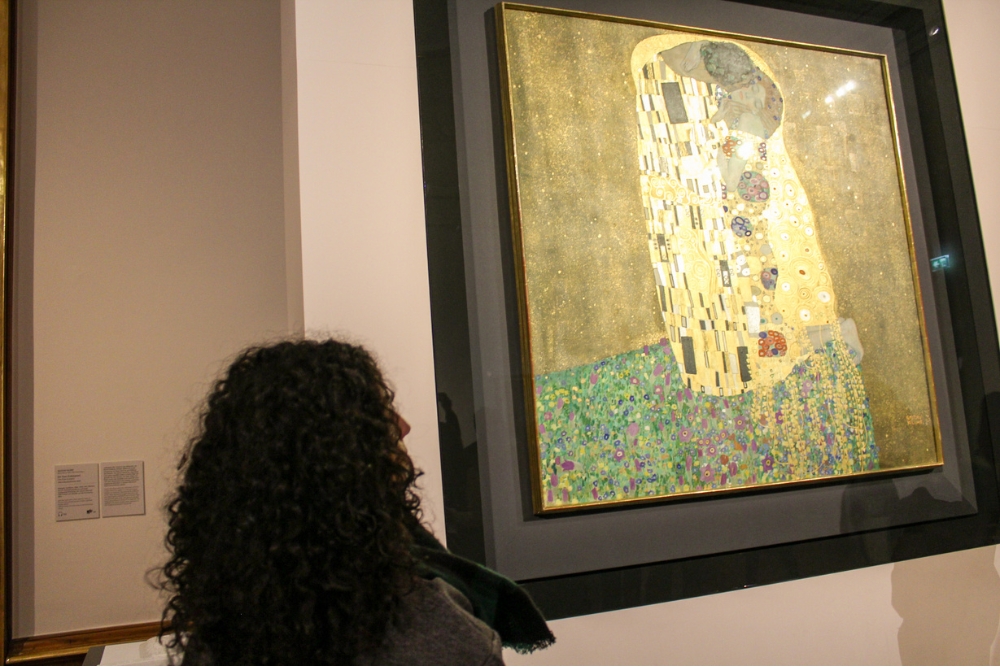
© Gayane Mkhitaryan, The Kiss by Klimt
Vienna Opera – Dressing Up for Performance
I still need to attend a performance at Vienna’s State Opera House dressed in my finest, because this experience represents European high culture at its most glamorous and accessible.
Vienna’s opera and classical music tradition isn’t museum-preserved history—it’s living culture where Viennese still dress formally, arrive early for champagne in gilt-covered lobbies, and treat opera as essential rather than elitist.
The State Opera House performs nearly 300 times annually, and standing room tickets cost just a few euros, allowing anyone to experience world-class opera in a building dripping with chandeliers, marble, and imperial grandeur. But I want the whole experience—securing a proper seat, wearing formal attire as the Viennese do, and feeling the thrill of being part of a tradition that has continued since 1869. The opera house itself survived World War II bombing and was rebuilt exactly as it was, demonstrating how seriously Vienna takes its musical heritage.
Practical Info:
- Official website: https://www.wiener-staatsoper.at (State Opera), https://www.musikverein.at (concerts)
- Book experiences: GetYourGuide, Headout, Tiqets
- Google Maps: Vienna State Opera House, Vienna
🇧🇪 Belgium
Bruges Medieval Canals
What started as a connecting city between Rotterdam and Paris in May 2023, turned out to be life-changing—this is where I met my boyfriend. Since then, I’ve returned five times, and every visit makes me love Bruges even more.
This city preserved its medieval character so completely that walking beside the canals feels like stepping into the prosperous Flemish world of the 1300s. What makes this bucket list worthy is the romantic perfection of the preserved medieval core—cobblestone streets wind between Gothic brick buildings, church towers pierce the skyline, and tree-lined canals reflect centuries-old facades in their still water. Taking a boat tour reveals Bruges from its most flattering angle, gliding under low stone bridges and past hidden gardens.
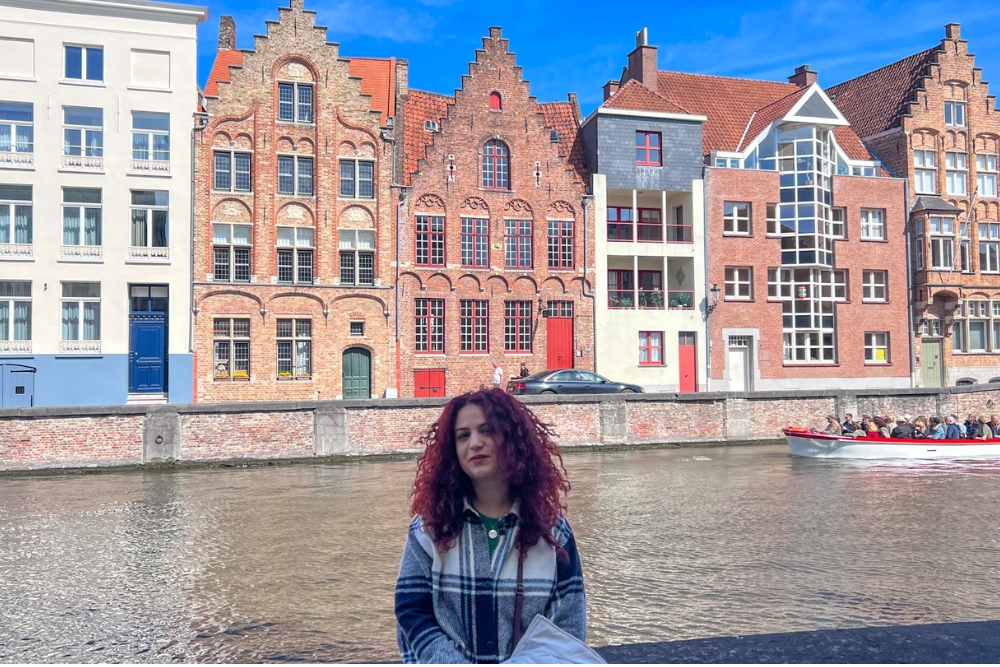
© Gayane Mkhitaryan
🇨🇿 Czech Republic
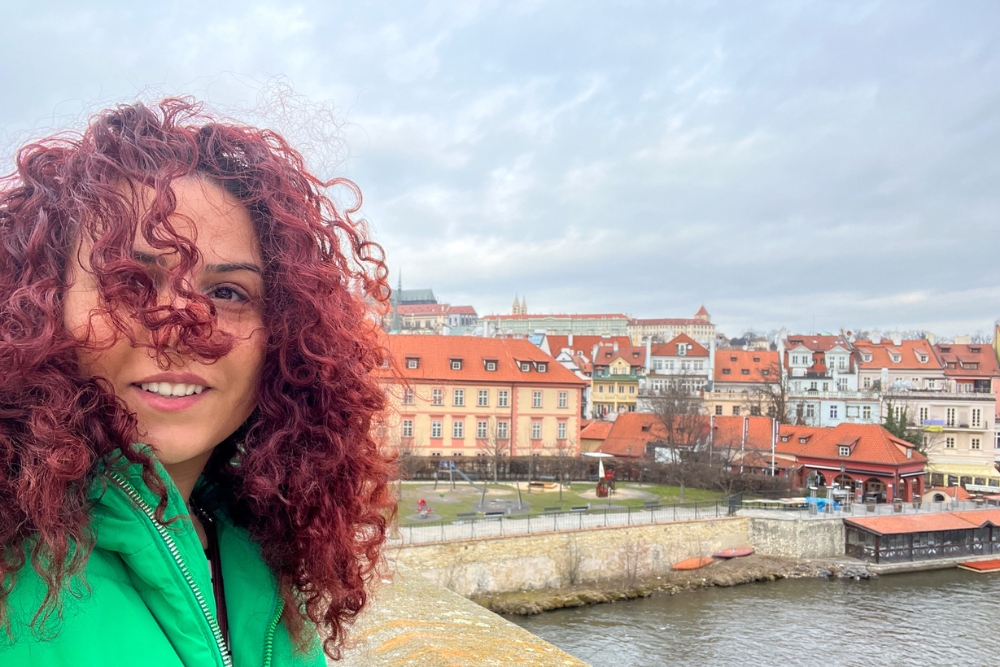
Charles Bridge in Prague
I visited Prague in March 2023, and one of my biggest dreams was to walk across Charles Bridge because this 14th-century stone bridge represents Prague at its most romantic and historic.
Spanning the Vltava River with 16 arches, the bridge is lined with 30 Baroque statues of saints watching over every crossing. What makes it unique is the atmosphere—street musicians perform, artists sell paintings, and the views extend to Prague Castle on one side and the Old Town’s spires on the other. Built by Emperor Charles IV in 1357, the bridge survived floods and wars to become Prague’s most iconic landmark. The golden light at sunrise transforms the statues and Gothic towers into something magical, while the bridge fills with life throughout the day.
Practical Info:
-
Official website: https://www.prague.eu
-
Book experiences: GetYourGuide, Headout, Tiqets
-
Google Maps: Charles Bridge, Prague
🇩🇰 Denmark
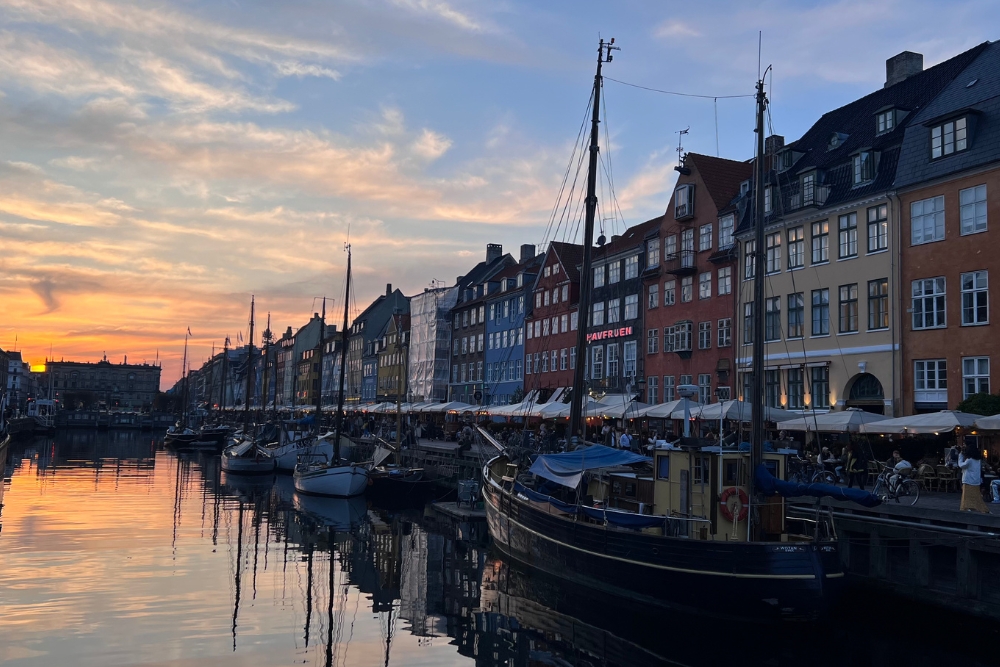
Copenhagen & Nyhavn
Nyhavn is Copenhagen’s iconic 17th-century waterfront where brightly colored townhouses—yellow, orange, red, purple—line a historic canal filled with wooden ships and outdoor cafés. This former sailors’ port, where Hans Christian Andersen once lived and wrote his first fairy tales, now epitomizes Danish hygge culture. The vibrant facades reflecting in the canal water create Copenhagen’s most photographed scene and perfectly capture the city’s balance of historic charm and modern livability.
🇪🇪 Estonia
Pärnu Beach Town
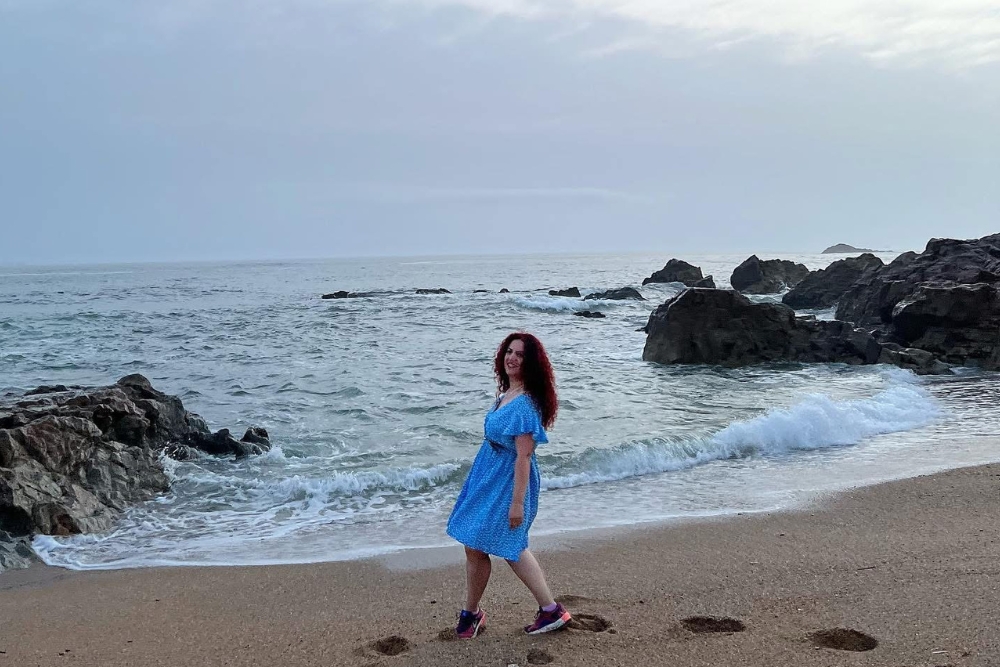
I witnessed one of the best sunsets of my life in Pärnu, Estonia’s summer capital where the Baltic Sea meets white sand beaches and laid-back coastal charm. This beach resort transforms when warm weather arrives—locals and visitors fill the shoreline, wooden boardwalks buzz with activity, and the sun barely sets during White Nights.
What makes this bucket list worthy is experiencing Baltic summer culture—long days where darkness never fully falls, water warm enough for actual swimming, and that distinctly Estonian combination of spa tradition and seaside relaxation. Visit in July for peak summer vibes and those incredible sunsets that paint the Baltic sky in colors you won’t forget.
Practical Info:
- Official website: https://www.visitparnu.com
- Book experiences: GetYourGuide, Headout, Tiqets
- Google Maps: Pärnu Beach, Estonia

🇫🇷 France
Provence’s lavender fields transform into endless purple oceans from mid-June to early August, when farmers harvest for essential oils that define French perfumery. The Valensole Plateau and Sault region offer the most spectacular views—geometric purple rows against golden wheat, medieval villages perched on hillsides, and the Abbaye de Sénanque monastery framed by lavender creating France’s most photographed landscape. The sensory experience overwhelms—intoxicating fragrance, buzzing bees, and light transforming fields into violet dreams during golden hour.
Mont Saint-Michel rises from the sea like a medieval fantasy—a Gothic abbey crowning a tidal island that has drawn pilgrims for over 1,000 years. What makes this bucket list worthy is the dramatic arrival across the causeway as the spire grows larger while the bay stretches endlessly around you. Europe’s highest tides twice daily isolate the island as it was for centuries. Inside, soaring Gothic halls and the clifftop cloister demonstrate medieval engineering genius that defied impossible construction challenges on this rocky outcrop between Normandy and Brittany.
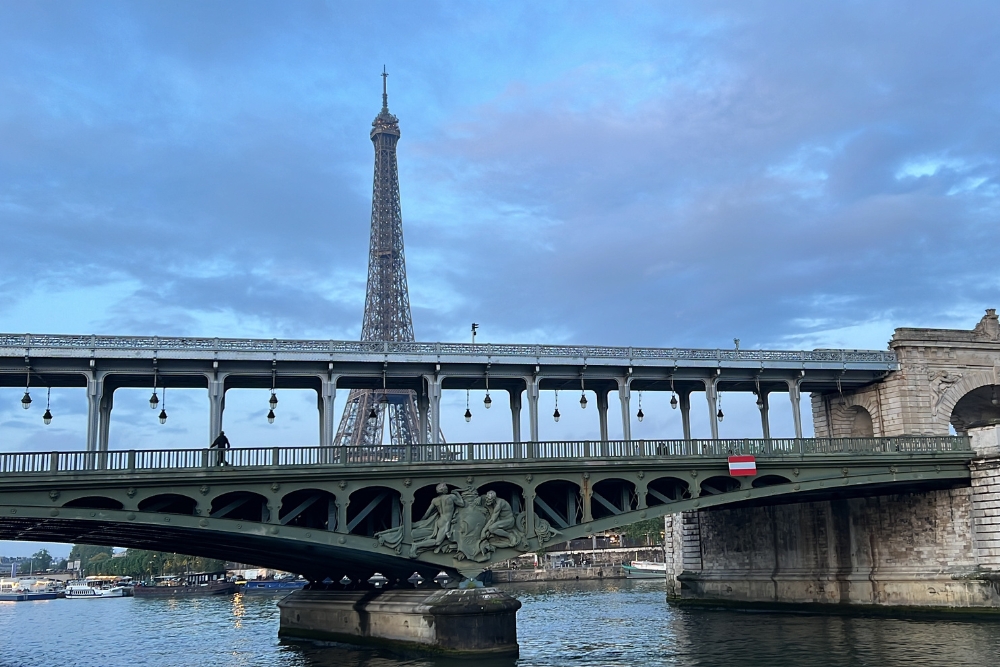
Pont de Bir-Hakeim is Paris’s most cinematic bridge—a two-level iron structure where Metro trains rattle overhead while pedestrians stroll beside the Seine below, with the Eiffel Tower framing perfectly ahead. Built in 1905, this Art Nouveau bridge starred in “Inception” and captures Belle Époque Paris meeting modern functionality. The elevated metro track creates geometric patterns against the sky, while sunset illuminates the iron framework as the tower begins its hourly sparkle show. It’s where functional infrastructure becomes Parisian artwork.
Pont des Arts presents romantic Paris—a pedestrian bridge connecting the Louvre with the Institut de France, where artists set up easels, musicians perform, and Parisians picnic with wine while watching sunset paint the Seine golden. Built as Paris’s first iron bridge in 1804, it evolved from innovation to the famous “love lock bridge” before authorities removed them. The wooden planks and benches invite lingering, with views extending to the Eiffel Tower west and Notre-Dame east. It’s Paris at its most democratic—romance accessible to everyone.
🇩🇪 Germany
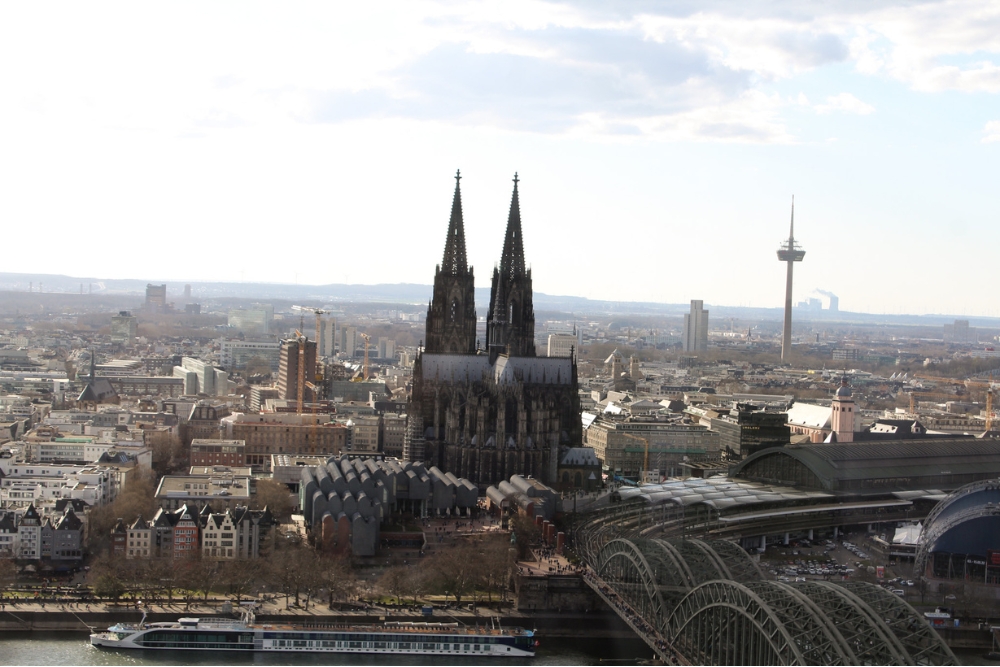
Cologne Cathedral’s twin Gothic spires dominate the skyline—632 years of construction creating one of the world’s tallest churches that miraculously survived WWII bombing that destroyed 90% of Cologne. What makes this bucket list worthy is the overwhelming scale and detail—thousands of carved figures on the facade, stained glass flooding the interior with colored light, and the Shrine of the Three Kings holding relics medieval Christians believed were the Magi. Climbing 533 steps up the south tower rewards you with panoramic Rhine River views and true understanding of this architectural masterpiece’s ambition.
🇮🇸 Iceland
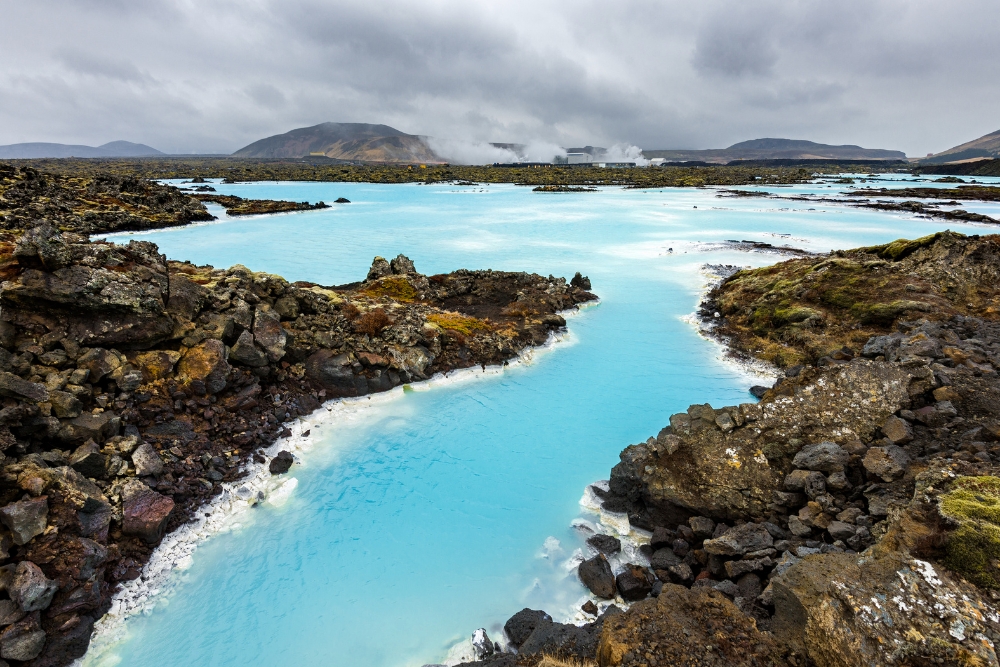
The Blue Lagoon is Iceland’s geothermal spa where volcanic heat meets luxury—milky turquoise pools surrounded by black lava fields, steaming at a perfect 37-39°C year-round. This isn’t natural but feels otherworldly, formed when a power plant discharged superheated water into lava rock. The silica-rich water has skin-healing properties, and soaking here while surrounded by Iceland’s dramatic landscape—sometimes under snowfall or Northern Lights—creates an experience possible nowhere else.
© Canva
🇮🇹 Italy
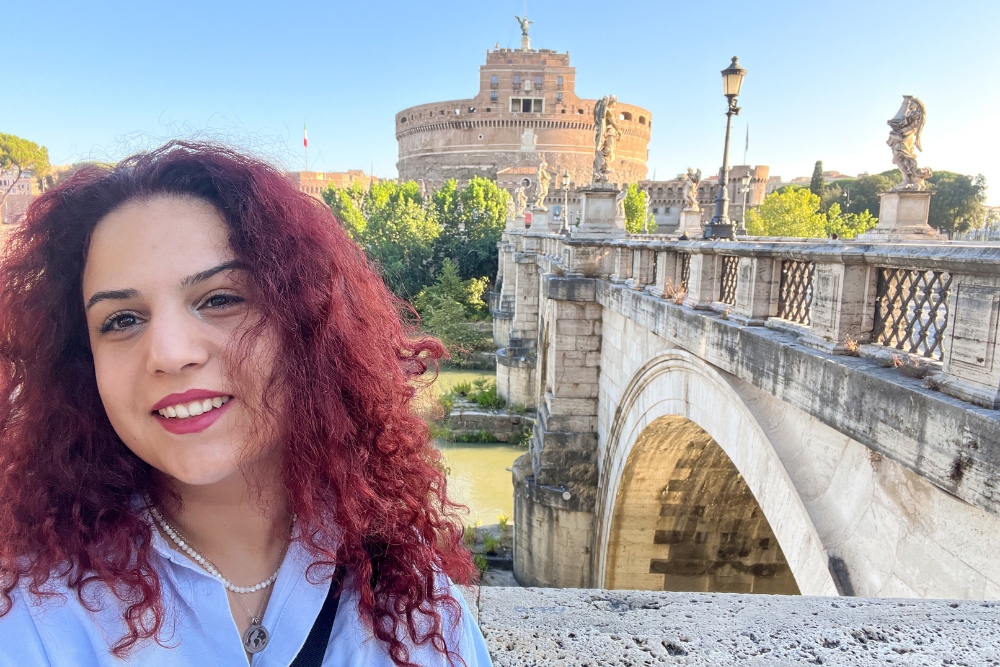
Castel Sant’Angelo contains 2,000 years of Roman history within its cylindrical walls—built as Emperor Hadrian’s tomb in 139 AD, then transformed into a papal fortress, prison, and now museum. What makes this bucket list worthy is the layered history visible as you ascend—Roman foundations supporting medieval modifications beneath Renaissance papal apartments. The Passetto di Borgo corridor allowed popes to flee danger during sieges. The rooftop terrace offers breathtaking views across Rome with St. Peter’s dome dominating the skyline, while inside reveals the castle’s evolution from mausoleum to refuge.
Florence through the Medici lens reveals how one banking family essentially funded the Renaissance, transforming a medieval city into Western art’s capital. What makes this bucket list worthy is tracing their influence—the Uffizi Gallery houses their art collection, Palazzo Pitti was their grand residence, the Medici Chapel showcases Michelangelo sculptures commissioned for family tombs. They supported Michelangelo, Leonardo, Botticelli, and Galileo, proving how political power and artistic vision combined to reshape civilization. Their emblem marks buildings throughout Florence, telling the story of merchant princes who used wealth to create unprecedented cultural patronage.
🇱🇻 Latvia
Riga contains the world’s highest concentration of Art Nouveau architecture—over 800 buildings where early-20th-century architects rejected historical styles for nature-inspired forms and shocking originality. What makes this bucket list worthy is the sculptural richness—facades explode with mythological figures, screaming faces, elaborate florals, and symbolic imagery turning each building into three-dimensional artwork. Alberta iela and Elizabetes iela showcase the style at its most flamboyant, while the Art Nouveau Museum preserves period interiors. Walking this district feels like an outdoor museum where every building competes through artistic innovation.

🇱🇹 Lithuania
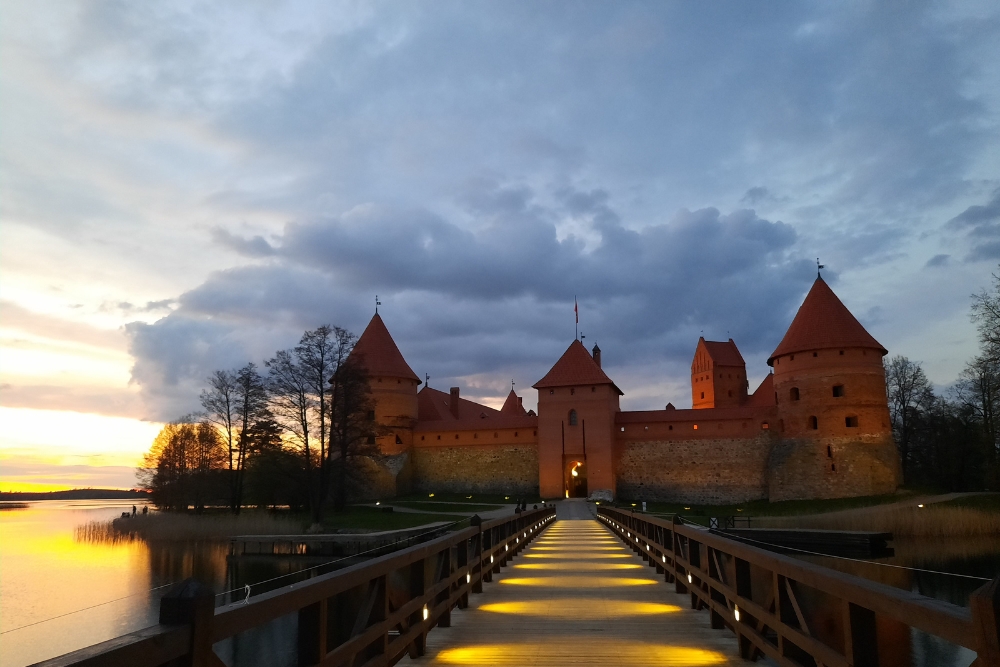
Trakai Island Castle floats on Lake Galvė like a Gothic dream—a 14th-century fortress perfectly positioned on an island connected by wooden footbridges. Built by Grand Duke Vytautas when Lithuania was medieval Europe’s largest state, the castle has been meticulously restored to its Gothic glory. What makes this bucket list worthy is the fairy-tale setting combined with authentic restoration—you can explore Gothic halls, climb defensive towers, and walk ramparts overlooking interconnected lakes and forested islands. The surrounding landscape creates mystical atmosphere, especially at sunrise when mist rises from the water.
St. Anne’s Church showcases Flamboyant Gothic architecture at its most intricate—Napoleon reportedly wanted to carry this late-15th-century church back to Paris in his palm. What makes this bucket list worthy is the sheer artistry in brick—33 different brick shapes arranged in ornate patterns that look more like lace than masonry. No two windows are alike, pinnacles and arches create vertical rhythms, and the whole composition achieves delicacy that seems impossible in such heavy material. Inside, soaring ribbed vaults demonstrate medieval builders’ genius. It’s surprisingly intimate despite the elaborate facade.
🇱🇺 Luxembourg
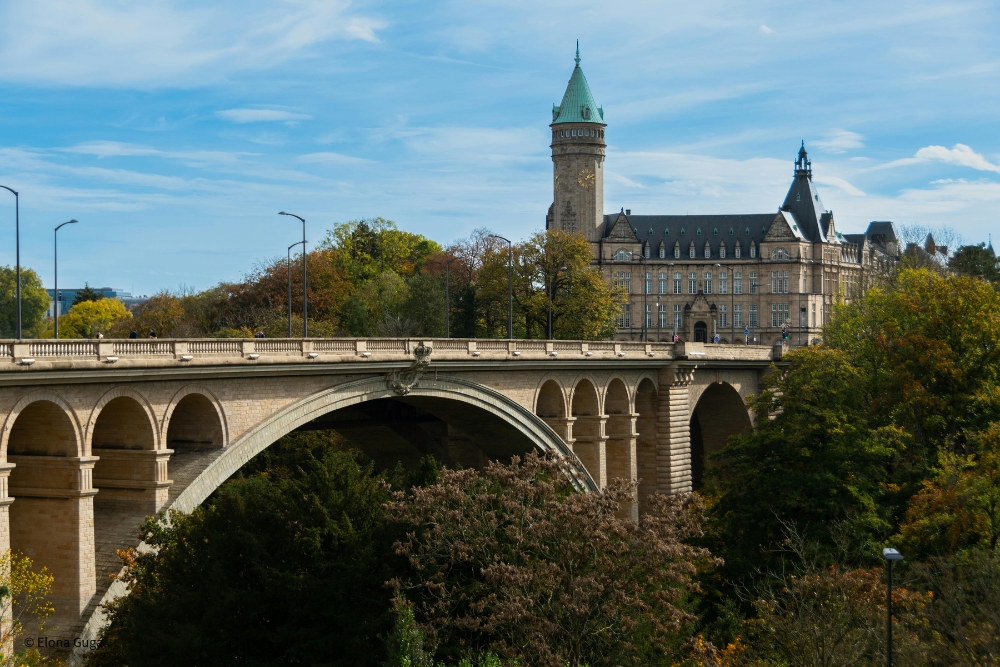
Luxembourg City punches above its weight—dramatic gorges cut through the city center where medieval fortifications earned UNESCO status while gleaming European institutions demonstrate continued political importance. Built on a rocky promontory, it developed as one of Europe’s most formidable fortresses, earning the nickname “Gibraltar of the North.” What makes this bucket list worthy is the stunning juxtaposition—ancient casemates tunnel through cliffsides beneath modern banking towers, and the Chemin de la Corniche pedestrian path, called “Europe’s most beautiful balcony,” offers vertiginous views over the Grund quarter below. Walking from upper city to lower Grund feels like descending through centuries.
🇲🇩 Moldova
Moldova offers a surreal combination—the Pushkin House Museum in Dolna village where Russia’s greatest poet spent three years in exile writing romantic verses, then Transnistria, a breakaway republic frozen in Soviet time. What makes this bucket list worthy is witnessing a territory that doesn’t officially exist—crossing into Transnistria feels like entering a time capsule where Soviet symbols remain everywhere, Lenin statues stand prominently, and the hammer-and-sickle decorates the flag. It’s uncomfortable tourism revealing Eastern Europe’s complicated post-Soviet realities that most travelers never witness.

🇳🇱 Netherlands
Keukenhof Gardens – Tulip Season
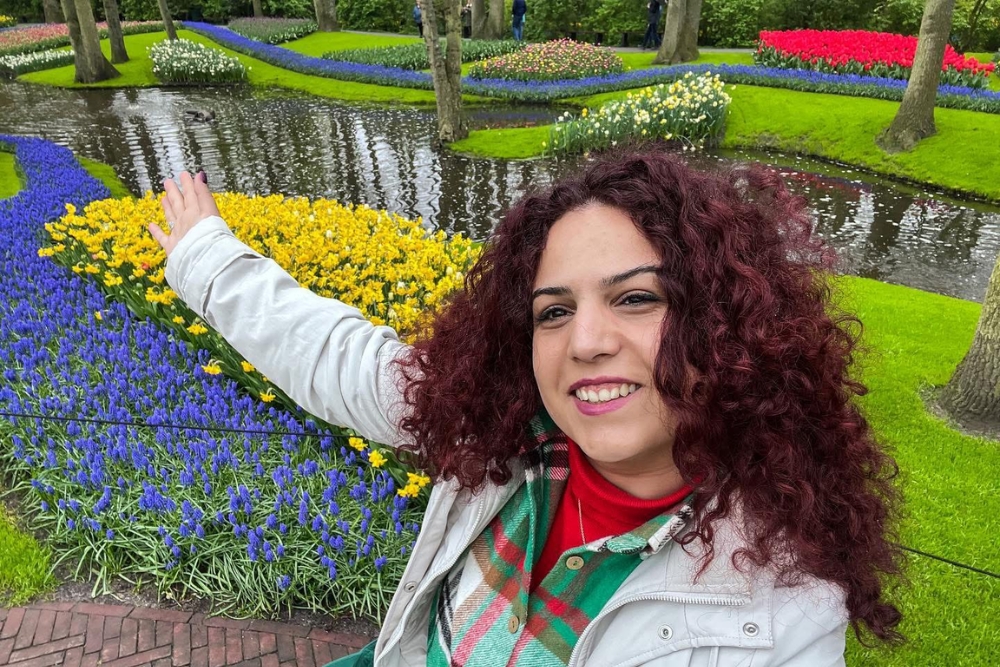
Every spring, seven million tulip bulbs transform 79 acres into the world’s most spectacular flower exhibition—open for just eight weeks (late March to mid-May) when tulips reach peak bloom. What makes this bucket list worthy is quintessentially Dutch precision applied to nature, creating flowing rivers of color in carefully orchestrated designs. Walking through Keukenhof feels like stepping inside an impressionist painting—over 800 tulip varieties from classic reds to striped parrot tulips. It represents the Netherlands’ centuries-long love affair with tulips, the passion that once triggered economic mania.
🇳🇴 Norway
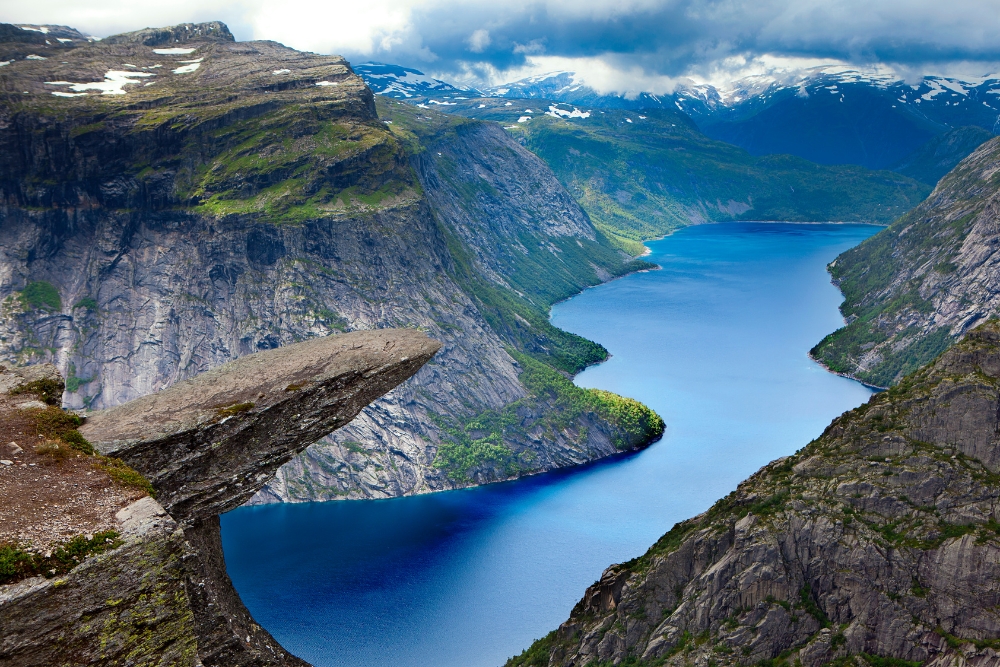
Trolltunga—”Troll’s Tongue”—is a horizontal rock formation jutting 700 meters above Lake Ringedalsvatnet, representing one of Earth’s most dramatic photo opportunities and challenging day hikes. What makes this bucket list worthy is the combination of physical challenge and extraordinary payoff—28 kilometers round trip climbing 900 meters through alpine terrain, taking 10-12 hours. But reaching this slender rock projection with nothing but air beneath you creates visceral thrill while panoramic views extend across the Hardangervidda plateau. Norwegian nature at its most dramatic surrounds the trail—waterfalls, snowfields, and mountain silence.
© Canva
🇵🇹 Portugal
Porto’s Ribeira district tumbles down steep hillsides to the Douro River in a cascade of colorful medieval buildings, while Vila Nova de Gaia across the water houses port wine cellars that made both cities famous. What makes this bucket list worthy is how living history feels here—the Dom Luís I Bridge’s upper deck provides vertiginous views over red-tiled roofs, São Francisco Church’s interior explodes with gilded Baroque woodwork, and traditional rabelo boats still float in the harbor. Touring Gaia’s centuries-old port cellars teaches production while tastings reveal why this fortified wine became legendary.
🇷🇴 Romania
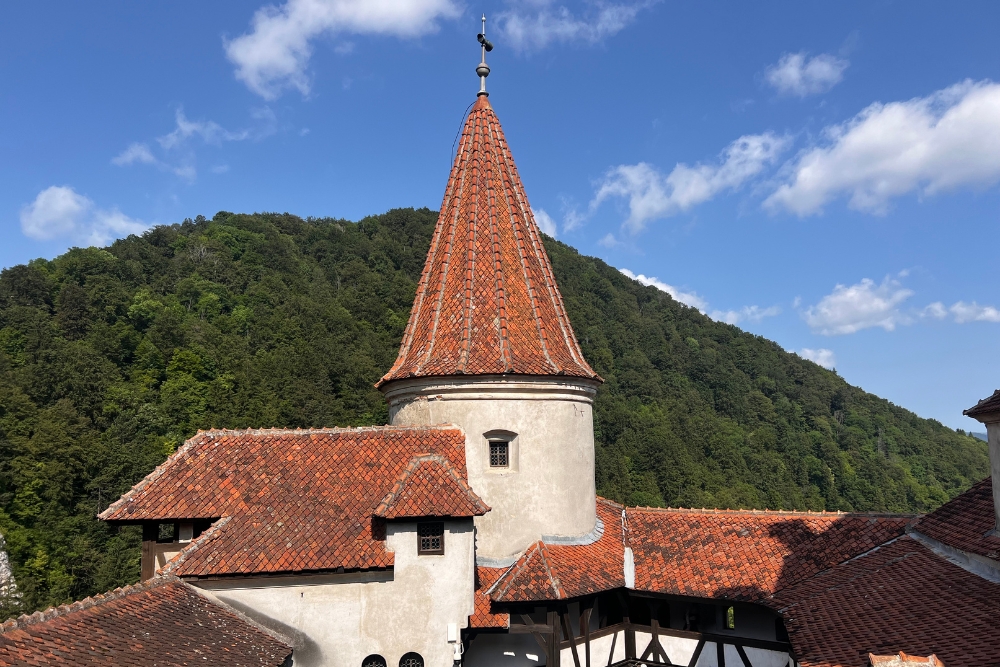
Bran Castle perches dramatically on a cliff edge in Transylvania’s forested mountains, inspiring the world’s most famous vampire legend. While Bram Stoker never visited Romania and Vlad the Impaler only briefly connected to the castle, popular imagination fused them together. What makes this bucket list worthy is how the castle embodies Gothic atmosphere perfectly—narrow spiral staircases wind through towers, secret passages connect rooms, and turrets overlook the Carpathian Mountains rolling away in every direction. Medieval fortifications, dark wooden interiors, and isolated mountain setting create the perfect vampire lair atmosphere.
🇪🇸 Spain
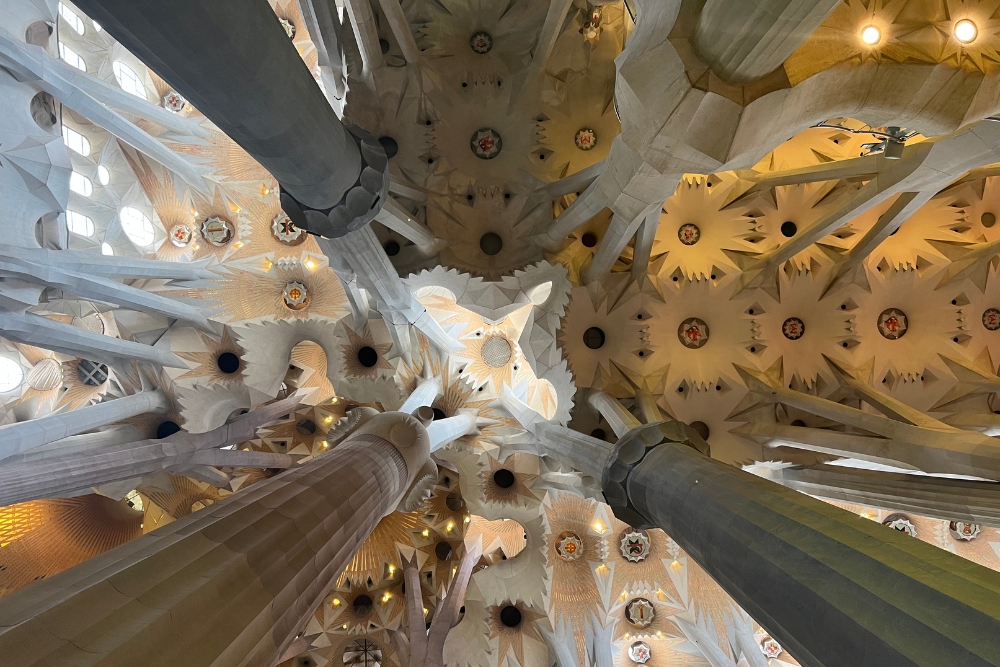
Antoni Gaudí’s Sagrada Familia breaks every architectural rule while somehow feeling sacred and uplifting—a cathedral under construction since 1882 that has become Barcelona’s identity. What makes this bucket list worthy is the radical originality—facades telling biblical stories through surreal sculptures, towers rising like melting sand castles, and an interior recreating a forest through branching columns supporting geometric vaults. Natural light filters through stained glass in every color, creating ethereal atmosphere that shifts throughout the day. Gaudí devoted his final years entirely to this unfinished masterpiece, his obsessive genius filling every detail.
🇸🇪 Sweden
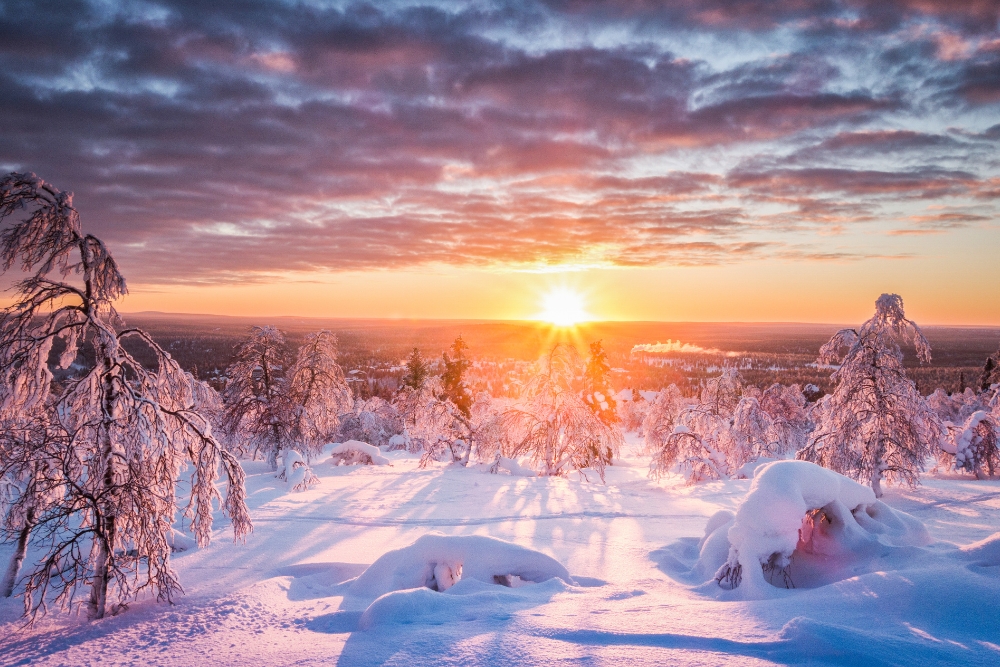
Swedish Lapland in winter combines Arctic wilderness, indigenous Sami culture, and genuine fairytale magic—where midnight sun never sets in summer and polar night creates 24-hour darkness in winter. What makes this bucket list worthy is total immersion in otherworldly landscape—sleeping in the famous Icehotel carved from frozen river water, mushing your own dog sled team across snowy forests, meeting Sami reindeer herders maintaining thousand-year-old traditions, and witnessing Northern Lights dance across frozen lakes. Swedish Lapland in winter feels like stepping into Narnia—a white kingdom of crystalline air and profound silence.
© Canva
🇬🇧 United Kingdom
Edinburgh’s Gothic architecture, atmospheric closes, and magical ambiance inspired J.K. Rowling while writing Harry Potter in cafés like The Elephant House. What makes this bucket list worthy is discovering how Edinburgh’s real-world magic infused the wizarding world—narrow medieval closes that could hide Diagon Alley, Victoria Street’s colorful shopfronts inspiring magical shops, and the castle-topped volcanic crag surely influencing Hogwarts. Beyond Harry Potter, Edinburgh captivates through its dramatic setting, preserved Old Town, elegant Georgian New Town, and passionate celebration of Scottish culture. Walking the Royal Mile or climbing Arthur’s Seat reveals layers of history.

© Canva
🇻🇦 Vatican City
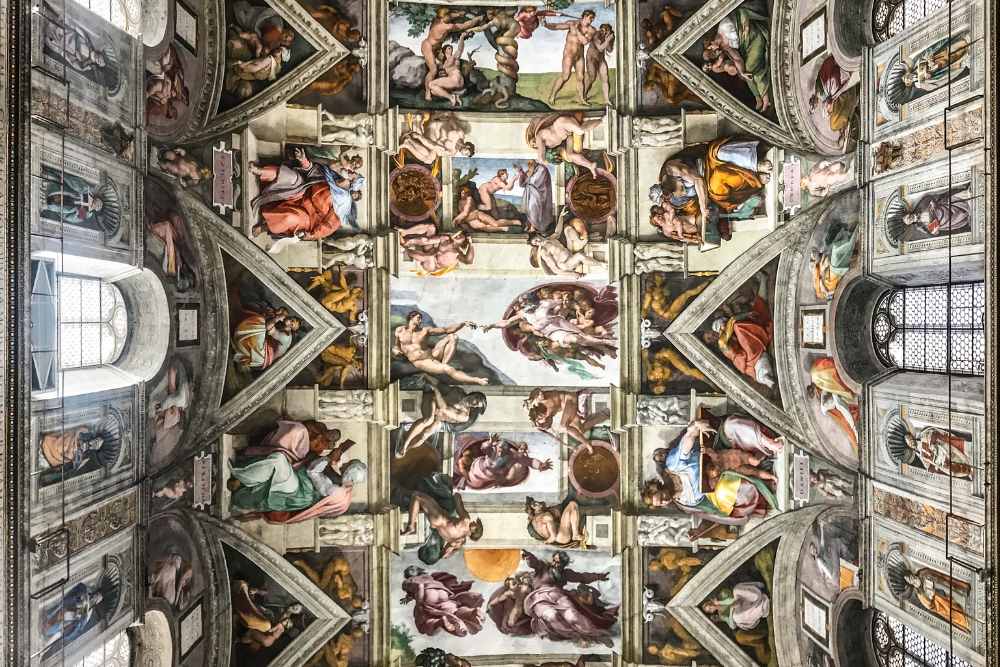
Michelangelo’s Sistine Chapel ceiling represents Renaissance genius at its absolute peak—painted lying on his back atop scaffolding, creating biblical scenes so dynamic and psychologically complex they redefined what painting could achieve. What makes this bucket list worthy is the overwhelming artistic and spiritual power—the Creation of Adam’s nearly-touching fingers, the Last Judgment’s swirling masses of saved and damned, and hundreds of figures demonstrating Michelangelo’s unmatched understanding of human anatomy. The ceiling tells humanity’s story from Creation through Noah’s flood, while the altar wall depicts Christ’s second coming with terrifying immediacy.
© Canva
Asia
Asia defies simple categorization—it’s too vast, too diverse, too ancient to capture in generalizations. This is where humanity’s oldest civilizations built empires, where religions that shaped billions of lives were born, and where tradition and hypermodernity collide in ways that feel both jarring and exhilarating.
From Japan’s refined aesthetic perfection to India’s overwhelming sensory chaos, from the Silk Road’s trading post cities to Russia’s frozen wilderness, these destinations offer experiences you simply cannot replicate anywhere else. Asia rewards the curious traveler who’s willing to step outside comfort zones and embrace the unfamiliar.
🇦🇲 Armenia
The Yerevan Cascade isn’t just a massive stairway—it’s an open-air art museum climbing the hillside like a monumental sculpture. What makes this bucket list worthy is how this architectural marvel represents Armenia’s resilience and creative spirit—five levels connected by escalators featuring contemporary sculptures from the Cafesjian collection. As you ascend, the city unfolds beneath you in layers, and at the top, Mount Ararat rises in the distance—a sight that has stirred Armenian hearts for millennia. The contrast between cutting-edge contemporary art and ancient mountain views creates uniquely Armenian experience.
Paragliding over Armenia’s Azat Reservoir reveals this ancient landscape—where Noah’s Ark supposedly landed and Christianity first became state religion—from its most dramatic perspective. What makes this bucket list worthy is the combination of adrenaline and perspective—soaring silently above medieval monasteries perched on cliffsides, watching Mount Ararat dominate the western horizon, and understanding how geography shaped Armenian history. The reservoir’s turquoise waters contrast against brown mountains while thermals rising from sun-heated valleys provide smooth flights. Flying over this dramatic topography connects you to Armenia’s history in ways ground travel never could—you’re literally floating above centuries.

🇬🇪 Georgia
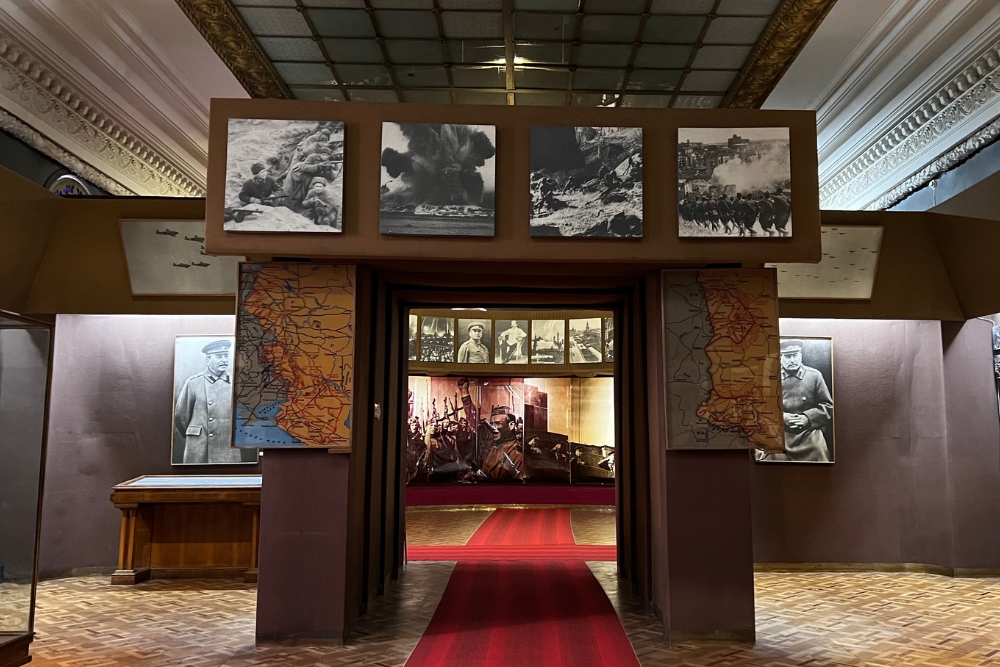
Stalin’s birthplace museum in Gori represents one of history’s most complicated legacies—preserved exactly as Soviet propaganda intended. What makes this bucket list worthy is the surreal experience of seeing how history gets remembered differently depending on where you stand. The museum features Stalin’s modest two-room childhood home protected inside a grand pavilion, his personal railway carriage, and countless artifacts from his life. The museum hasn’t been updated since Soviet times, offering an unfiltered glimpse into propaganda and personality cult. Walking these halls means experiencing how authoritarian regimes construct mythology around dictators who killed millions.
🇮🇳 India
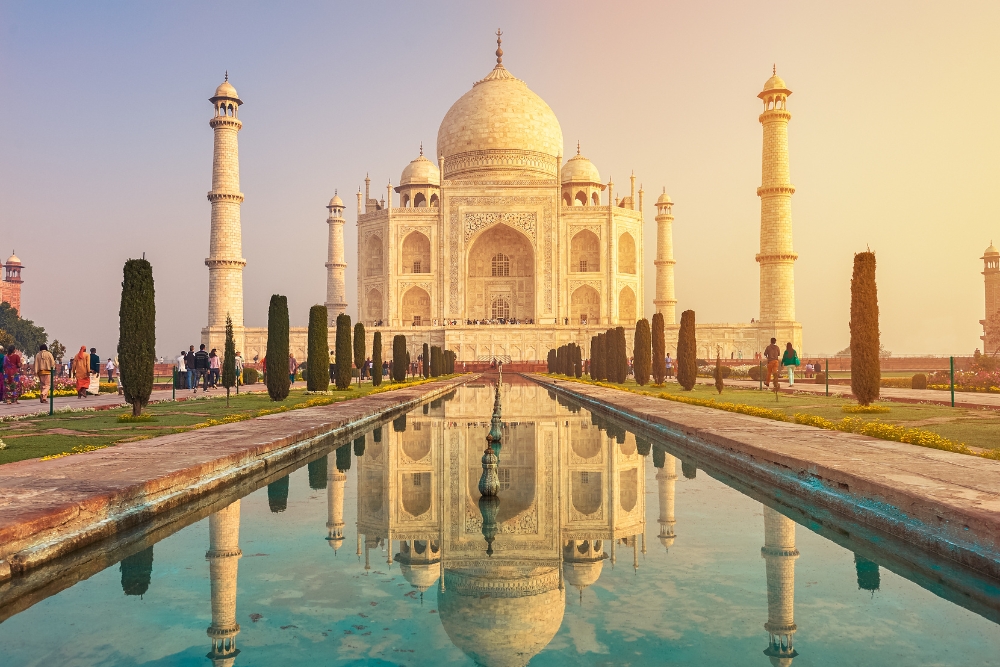
The Taj Mahal represents humanity’s most beautiful expression of love—an emperor’s monument to his beloved wife that took 22 years and 20,000 artisans to complete. What makes this bucket list worthy is how architecture achieves the impossible—expressing emotion through stone. Shah Jahan built this white marble mausoleum in the 1600s after his wife Mumtaz Mahal died during childbirth, creating a structure so perfectly proportioned it seems to float above reflecting pools. The marble changes color throughout the day—glowing pink at sunrise, blazing white at noon, turning golden at sunset. Every surface features intricate inlay work using 28 types of precious stones.
Holi transforms Indian cities into joyful chaos—millions throwing colored powder and water at each other celebrating spring, good over evil, and pure playful abandon. What makes this bucket list worthy is total immersion in communal joy—strangers smear colored powder on your face, water balloons fly through air, and within minutes you’re covered head-to-toe in rainbow hues. The festival breaks down social barriers as rich and poor, young and old, tourist and local all become equally colorful participants. The most famous celebrations occur in Mathura and Vrindavan, Krishna’s birthplace where Holi legends originated, and in Rajasthan where royal families host elaborate festivities.
© Canva
🇯🇵 Japan
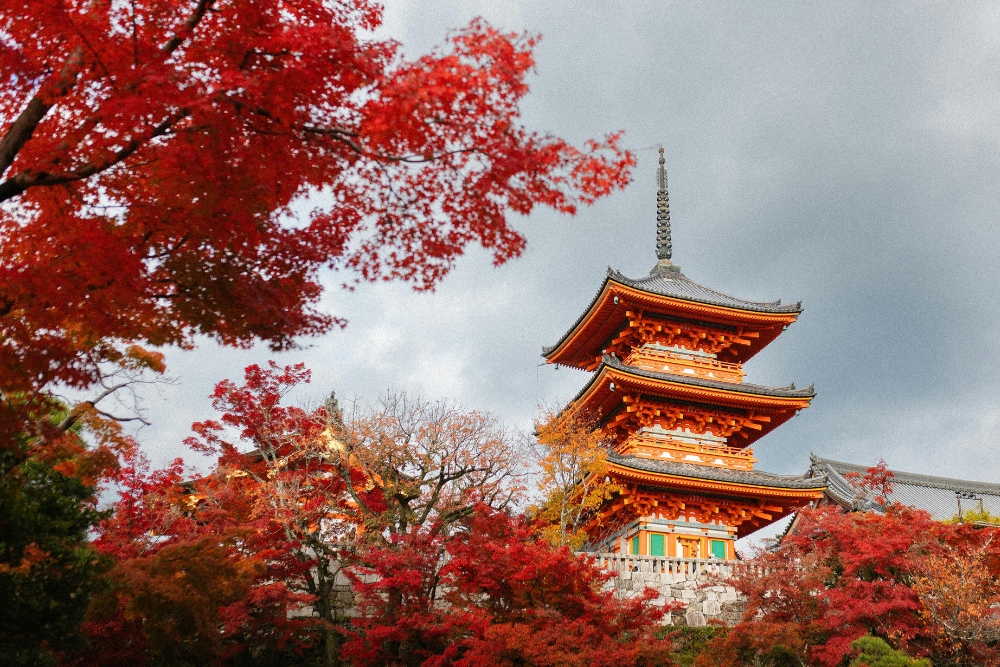
Kyoto preserves traditional Japanese culture in ways Tokyo never could—17 UNESCO World Heritage sites, geisha districts maintaining centuries-old customs, and temples defining Japanese aesthetics. What makes this bucket list worthy is the concentration of beauty and heritage—Fushimi Inari’s thousands of red torii gates tunneling up mountainsides, Kinkaku-ji’s gold-leafed pavilion reflected in its pond, and the Gion district where maiko apprentices hurry between appointments in full traditional dress. The Zen gardens demonstrate Japanese philosophy through raked gravel and placed stones. Kyoto represents the Japanese soul more authentically than anywhere else—beauty found in simplicity, respect for tradition balanced with living culture.
© Canva
🇰🇿 Kazakhstan
Baikonur Cosmodrome is the Soviet-era spaceport that continues launching humans into orbit—the same facility that sent Yuri Gagarin on humanity’s first spaceflight still operates as Earth’s busiest launch site. What makes this bucket list worthy is witnessing space exploration’s industrial reality—massive Soyuz rockets standing on launch pads in Kazakhstan’s desert, the Museum of Space Exploration displaying actual spacecraft and Gagarin’s preserved office, and if timing’s right, watching launches send astronauts to the International Space Station. This isn’t a theme park but a working facility where humanity’s grandest adventure continues daily.

© Wikipedia
🇷🇺 Russia
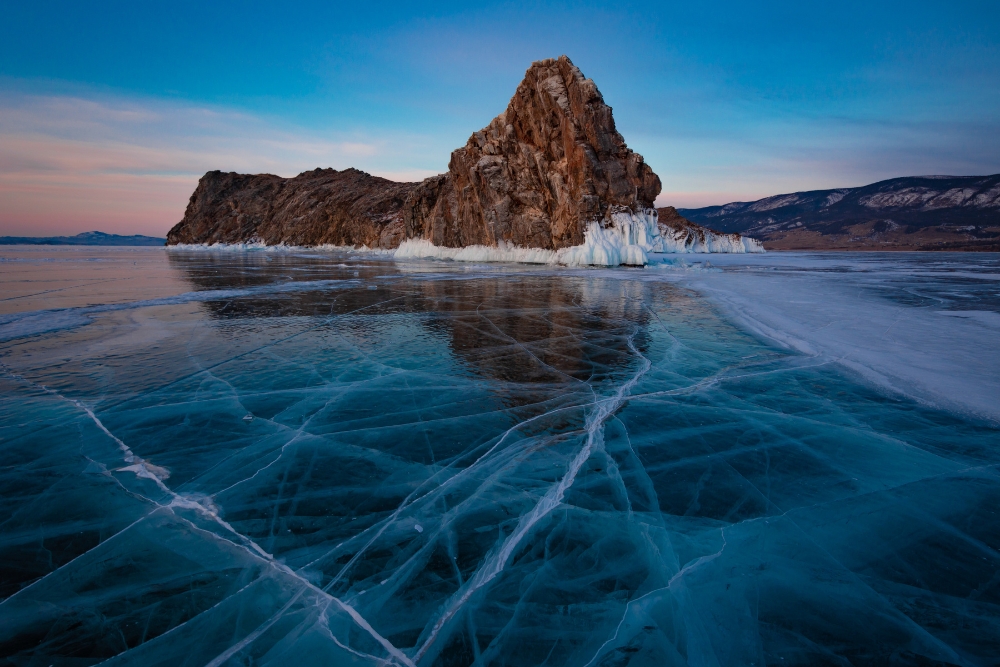
Lake Baikal frozen transforms Earth’s deepest and oldest lake into a surreal ice world where transparent cracks pattern the surface and ice formations rise like sculptures. What makes this bucket list worthy is the extraordinary ice itself—crystal clear in places allowing you to peer into blue-green depths, fractured into geometric patterns where expansion created pressure ridges. Baikal contains 20% of Earth’s fresh water and reaches depths over 1,600 meters, but in winter the entire surface freezes into a giant rink. The ice sings and groans with temperature changes, creating eerie sounds echoing across the frozen expanse while Siberian mountains surround you.
© Canva
🇹🇼 Taiwan
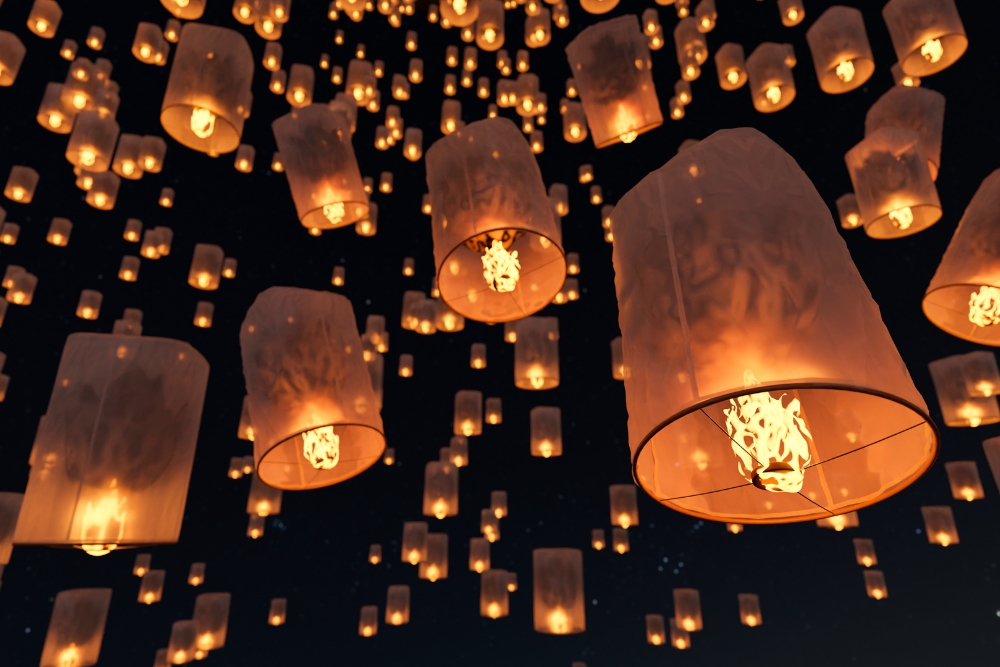
Taiwan’s Pingxi Sky Lantern Festival creates one of the world’s most magical cultural experiences—thousands of glowing lanterns rising into the night sky during the 15th day of Chinese New Year. What makes this bucket list worthy is the overwhelming emotional and visual impact—standing in a crowd as countless lanterns rise simultaneously, their warm glow filling the sky like earthbound stars ascending home. Participants write wishes on paper lanterns before releasing them into darkness. Each lantern represents hopes, prayers, and dreams for the coming year. The tradition began as communication between mountain villages but evolved into communal expression of hope and renewal.
© Canva
🇦🇪 UAE
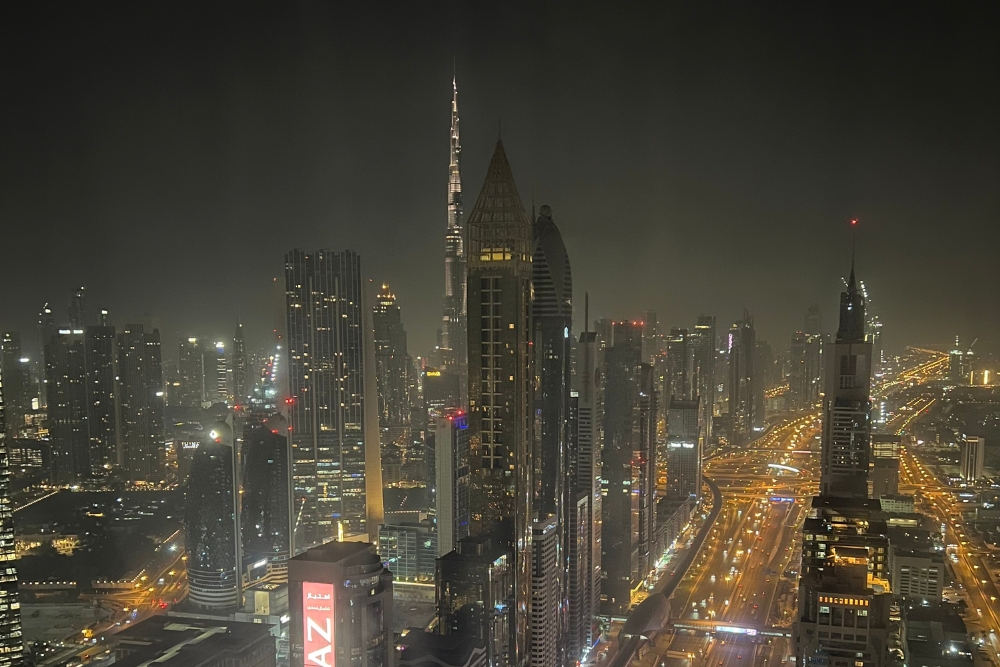
The Burj Khalifa at 828 meters represents human ambition in its most vertical form—the world’s tallest building rising from desert sands, dominating a skyline that didn’t exist 30 years ago. What makes this bucket list worthy is the sheer audacity—this tower stands twice as tall as the Empire State Building, containing 163 floors and requiring engineering innovations to build. Taking high-speed elevators to the 148th floor observation deck delivers perspective on Dubai’s explosive growth—artificial Palm Islands extending into the Persian Gulf, the sail-shaped Burj Al Arab offshore, and endless skyscrapers marching toward desert horizons.
🇺🇿 Uzbekistan
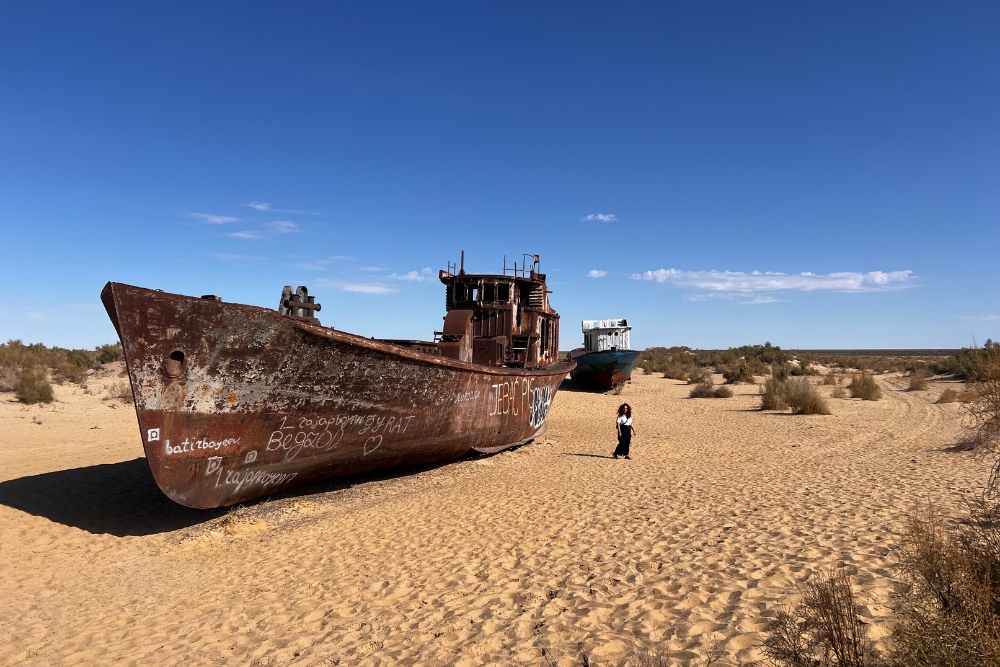
The Aral Sea ship graveyard represents one of humanity’s worst environmental disasters—massive fishing vessels sitting abandoned in desert sand, hundreds of kilometers from water they once sailed. Soviet rock legend Viktor Tsoy filmed his iconic music video here in 1989, capturing the desolation. What makes this bucket list worthy is the apocalyptic imagery and sobering lesson—rusted ships listing in sand where water should be. The Aral Sea was once the world’s fourth-largest lake, but Soviet irrigation projects diverted feeding rivers, causing it to shrink 90% over 50 years. Moynaq once thrived as a fishing port; today it sits in desert, water having retreated 200 kilometers away.
Africa
Africa is where nature still writes its rules—vast savannas stretching under lion-roar skies, deserts sculpted by wind and time, and ancient civilizations whose echoes linger in stone and sand. From witnessing thunderous waterfalls that shut the world down to standing amid wildlife that regards us as simply another moment in time, Africa promises life-changing moments. These are not just destinations, but experiences that open your senses, your heart and your understanding of the planet—and your place in it.
🇪🇬 Egypt
The Pyramids of Giza represent humanity’s oldest and most enduring monuments—built 4,500 years ago as tombs for pharaohs, surviving as the last remaining Wonder of the Ancient World. What makes this bucket list worthy is confronting the impossible scale and precision—the Great Pyramid contains 2.3 million stone blocks, each weighing tons, assembled with such accuracy that modern engineers still debate construction methods. Standing before these limestone giants rising from the desert, with the Sphinx guarding nearby, connects you to ancient Egyptian civilization at its apex. They’ve witnessed the rise and fall of empires, yet remain essentially unchanged.
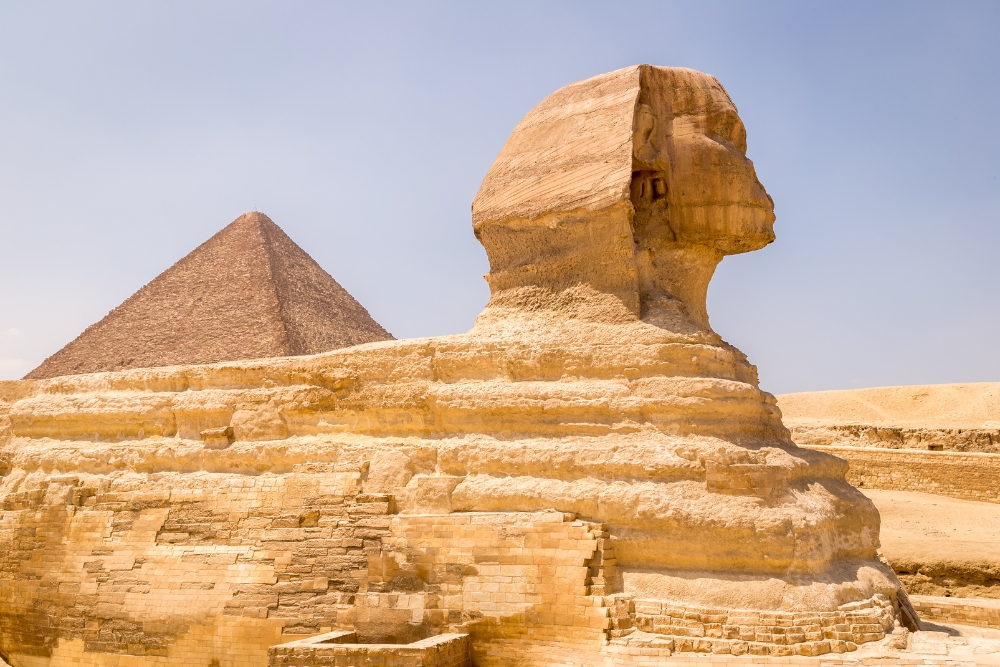
© Canva
🇲🇦 Morocco
I first learned about Fes as a child watching the Brazilian telenovela O Clone, and the real place proved even more captivating. Fes el-Bali is the world’s largest car-free urban area—a 9th-century medina where donkeys transport goods through narrow alleyways. What makes this bucket list worthy is experiencing a truly medieval cityscape in full operation. The Chouara Tannery showcases leather production unchanged since the Middle Ages—workers treat hides in stone vessels using pigeon excrement to soften leather, then dye them with natural colors like poppy for red, indigo for blue, and henna for orange.
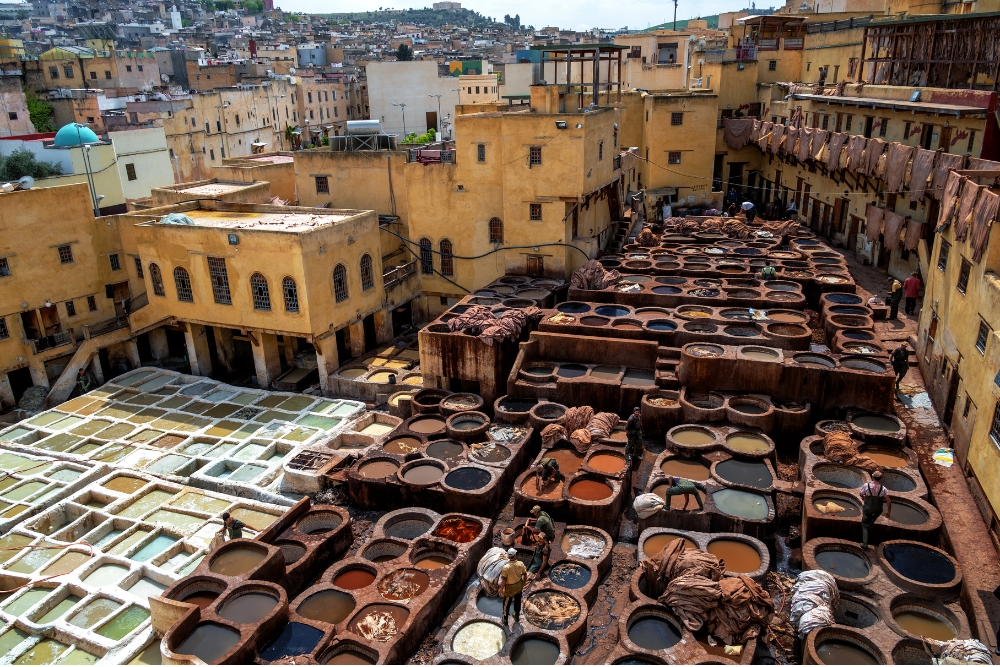
© Canva
🇲🇿 Mozambique
The Grande Hotel of Beira represents post-colonial Africa’s unrealized promises—a five-star resort that opened in 1955 as southern Africa’s most luxurious destination and collapsed into a vertical slum within decades. What makes this bucket list worthy is how dramatically it fell—after Mozambique’s independence and civil war, the hotel became a refugee shelter, then permanent settlement housing over 1,000 people in rooms designed for vacationing colonials. Some rooms still show Art Deco details and vintage tiles while residents have created makeshift homes in hallways. The hotel embodies post-colonial challenges—infrastructure meant for elites repurposed by necessity for the poor.

🇿🇼 Zimbabwe
Victoria Falls creates the world’s largest sheet of falling water—1,708 meters wide and 108 meters high, producing spray visible 30 kilometers away and a roar audible from 40 kilometers. Local people call it Mosi-oa-Tunya, “The Smoke That Thunders.” What makes this bucket list worthy is the overwhelming sensory assault—the thunder of millions of liters plunging every second, constant spray drenching you completely, rainbows appearing through mist, and sheer scale making humans feel insignificant. The falls span the Zimbabwe-Zambia border with excellent viewing from both sides, while lunar rainbows appear during full moon nights.

North America
North America offers dramatic contrasts: modern skylines that power human ambition, wilderness regions that remind us of primal earth, and cultural intersections that tell stories of past and present. Whether you’re riding vintage cars along coastal promenades in Havana, Mexico ’s altars lit with marigolds, or gazing up at the vertical ambition of New York City’s skyline, these places provoke wonder and thought. This is a bucket list not for ticking off places, but for feeling alive, awake and connected to both history and possibility.
🇨🇺 Cuba
Havana’s streets fill with immaculately maintained 1950s American Chevrolets, Cadillacs, and Fords—kept running through Cuban ingenuity after decades without parts due to US embargo. What makes this bucket list worthy is how riding these rolling museums through Havana’s Malecón seafront creates instant time travel, while the city pulses with live salsa music—bands perform in Casa de la Música, street musicians fill plazas, and impromptu dance sessions break out wherever someone has a radio. Havana offers something increasingly rare—a major city existing outside global capitalism’s homogenizing force, creating unique character through beautiful decay and revolutionary contradictions.
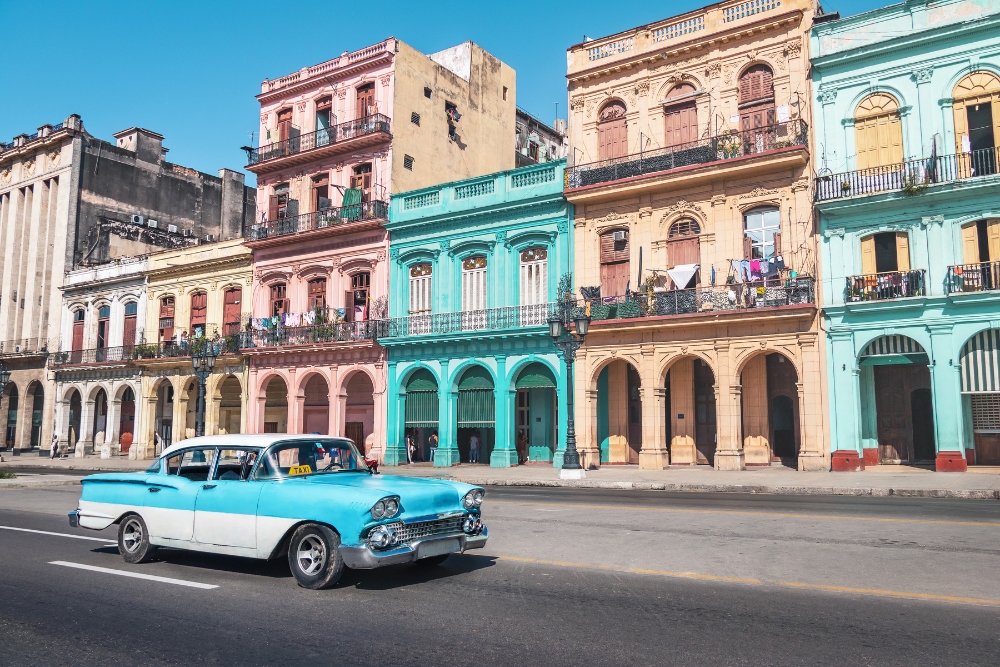
© Canva
🇲🇽 Mexico
Casa Azul, Frida Kahlo’s home-turned-museum in Coyoacán, preserves the intimate spaces where Mexico’s most iconic artist lived, created, and suffered. What makes this bucket list worthy is how completely the house captures Kahlo’s artistic vision—pre-Columbian artifacts line walls, her wheelchair sits beside the easel where she painted bedridden, and lush gardens feature native Mexican plants she loved. Kahlo’s paintings drew from Mexican folk art, indigenous traditions, and her own physical and emotional pain following a devastating bus accident. Her self-portraits explored identity, pain, and Mexican heritage with surrealist elements and unflinching honesty.
Día de Muertos in Oaxaca represents Mexico’s most important cultural tradition—families welcome deceased loved ones through elaborate altars, cemetery vigils, and citywide festivities turning mourning into joyful reunion. What makes this bucket list worthy is how the celebration reframes death—rather than something to fear, it becomes opportunity to honor ancestors and acknowledge mortality as natural. Families construct ofrendas decorated with marigolds, sugar skulls, photos of the deceased, and their favorite foods. Cemeteries fill with families spending November 1-2 at gravesides with music, food, and stories. Oaxaca’s streets fill with parades featuring giant alebrije puppets, calenda processions with brass bands, and markets selling pan de muerto.
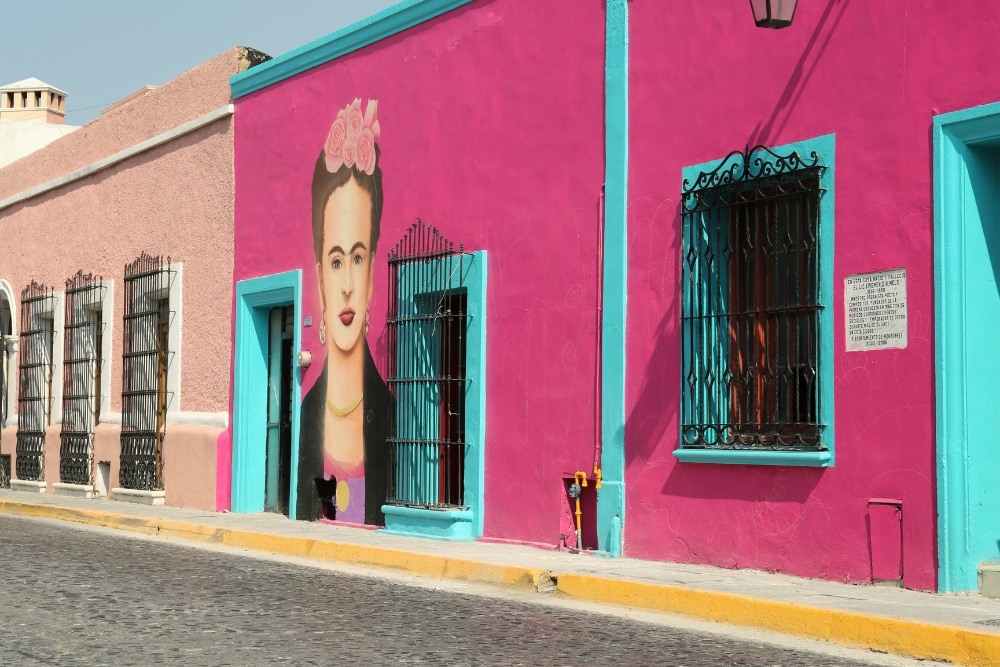
© Canva
🇺🇸 United States
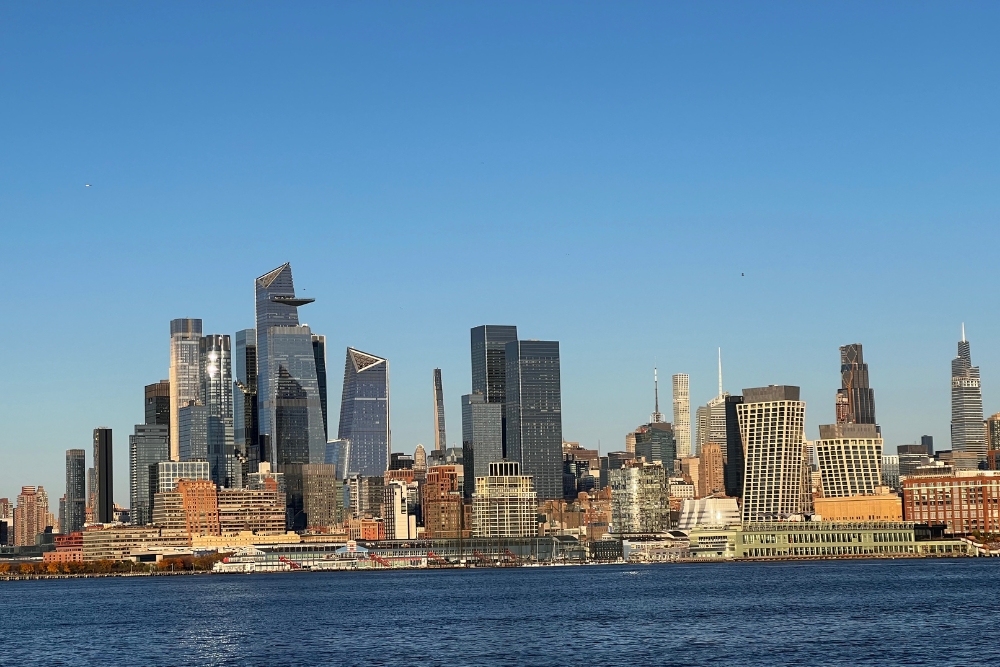
The Statue of Liberty and Manhattan skyline represent America’s promise and achievement—Lady Liberty welcoming immigrants since 1886, and the skyline demonstrating the economic power they helped build. What makes this bucket list worthy is the emotional resonance—seeing Liberty rising from the harbor stirs something about human aspiration and the search for better lives. The ferry to Liberty Island allows close examination of the statue’s classical design and Emma Lazarus poem at its base. The Manhattan skyline showcases American capitalism’s vertical ambitions—from the Art Deco Chrysler Building to One World Trade Center, with Brooklyn Bridge providing classic skyline views.
South America
South America pulses with rhythm—of tango footsteps in Argentina, the surf of oceans meeting mountains in Brazil, and the mist-shrouded stonework of ancient empires in Peru. This is a continent where nature and culture dance together, where one walk can cross from jungle to ruin, from melody to monument. These are destinations that pull you into the flow of time—not just to observe, but to become part of something larger than yourself.
🇦🇷 Argentina
Buenos Aires breathes tango—this passionate dance form represents Argentine soul, born in working-class neighborhoods where European immigrants and African descendants created something entirely new through music, dance, and melancholy poetry. What makes this bucket list worthy is how tango transcends performance to become cultural expression—the dance embodies Argentine history of immigration, nostalgia for lost homelands, and the particular melancholy called “soledad porteña.” Milongas (tango dance halls) fill nightly with locals taking their dancing seriously, while professional dancers perform with intricate footwork and emotional intensity. Walking San Telmo or Recoleta while tango music drifts from doorways connects you to why this city created such passionate art.

© Canva
🇧🇷 Brazil
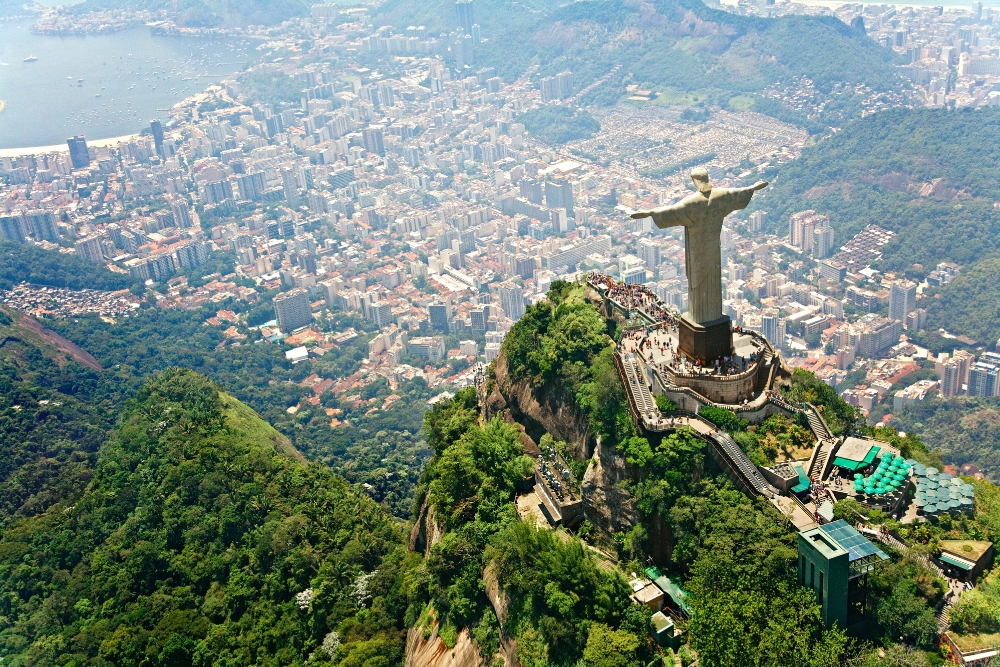
hrist the Redeemer crowns Corcovado Mountain at 710 meters—a 30-meter Art Deco statue with arms outstretched over Rio de Janeiro, completed in 1931 and visible from across the city. What makes this bucket list worthy is the combination of artistic achievement and spectacular setting—the statue’s soapstone surface catches light beautifully while arms span 28 meters creating dramatic silhouette. From the platform at Christ’s feet, Rio’s unique geography unfolds—beaches like Copacabana and Ipanema curving along the coast, Sugarloaf Mountain rising from Guanabara Bay, and favelas climbing hillsides between ocean and mountains.
© Canva
🇵🇪 Peru
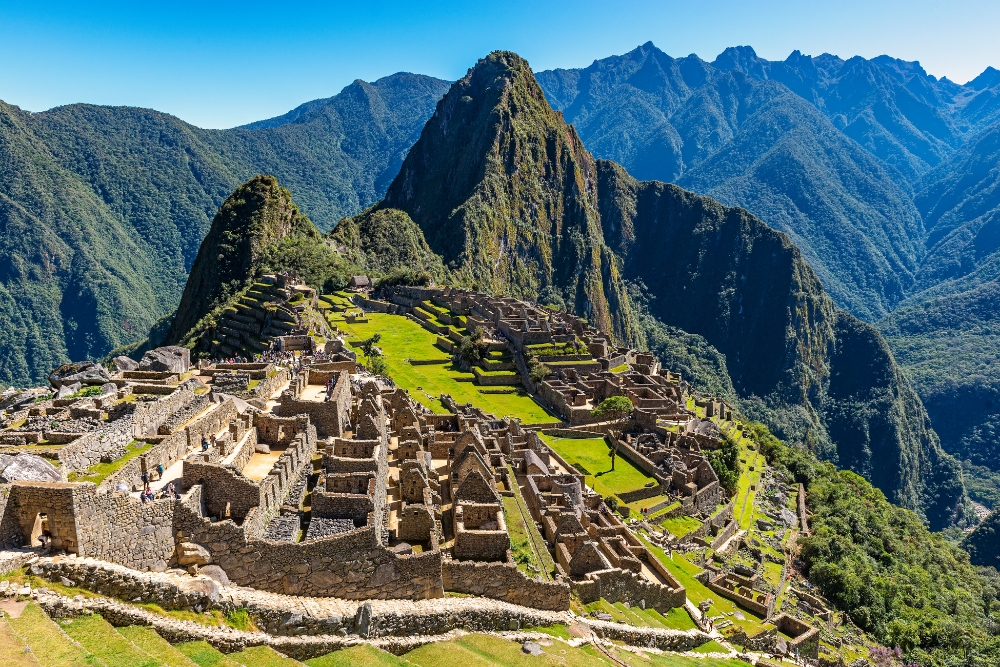
Machu Picchu represents human achievement in its most improbable setting—a 15th-century Incan citadel built at 2,430 meters elevation on a narrow ridge between peaks, with precisely cut stone walls fitting without mortar and temples aligned with astronomical events. What makes this bucket list worthy is how architecture harmonizes with dramatic natural setting—when morning clouds clear, ruins appear suspended between jungle-covered mountains with the Urubamba River far below. The Spanish conquistadors never found it, leaving this masterpiece intact until 1911. The precision of Incan stonework becomes apparent examining walls where blocks fit so tightly a knife blade can’t penetrate joints.
© Canva
Antarctica
Antarctica represents Earth’s last true wilderness—a frozen continent where no humans permanently live, where ice sheets hold 70% of the world’s fresh water, and where temperatures plunge to -89°C. What makes this bucket list worthy is reaching the ultimate frontier, often via cargo plane landing on ice runways rather than cruise ships. Standing on the seventh continent means experiencing nature at its most extreme and pristine—massive icebergs calving into frigid seas, penguin colonies numbering thousands, seals lounging on ice floes, and endless white horizons under skies that never fully darken in summer. It’s the most remote, expensive, and unforgettable destination on Earth.

© Canva
