
Things to Do in Salé, Morocco: The Budget Alternative Across the Bridge

When we were planning our stop in Morocco’s capital region, we made a decision that surprised some people: we chose to stay in Salé instead of Rabat. The reason was simple—it’s cheaper, it gives you a chance to see another city, and it’s literally one bridge away from Rabat. After arriving on the train from Fes on December 29, we dropped our bags in Salé and immediately headed across to Rabat for the afternoon and evening.
The next morning, we had around four-five hours before our train to Casablanca. A few hours to actually see Salé. And honestly? It was enough. We explored the medina market, walked to the Atlantic coast, admired Rabat’s kasbah from across the Bou Regreg River, and caught glimpses of what makes this city tick. Salé isn’t trying to compete with its famous neighbor—it’s doing its own thing, and that’s exactly what makes it worth your time.
© Gayane Mkhitaryan, sunrise over Salé, Morocco filmed from the rooftop of Riad Thamayna
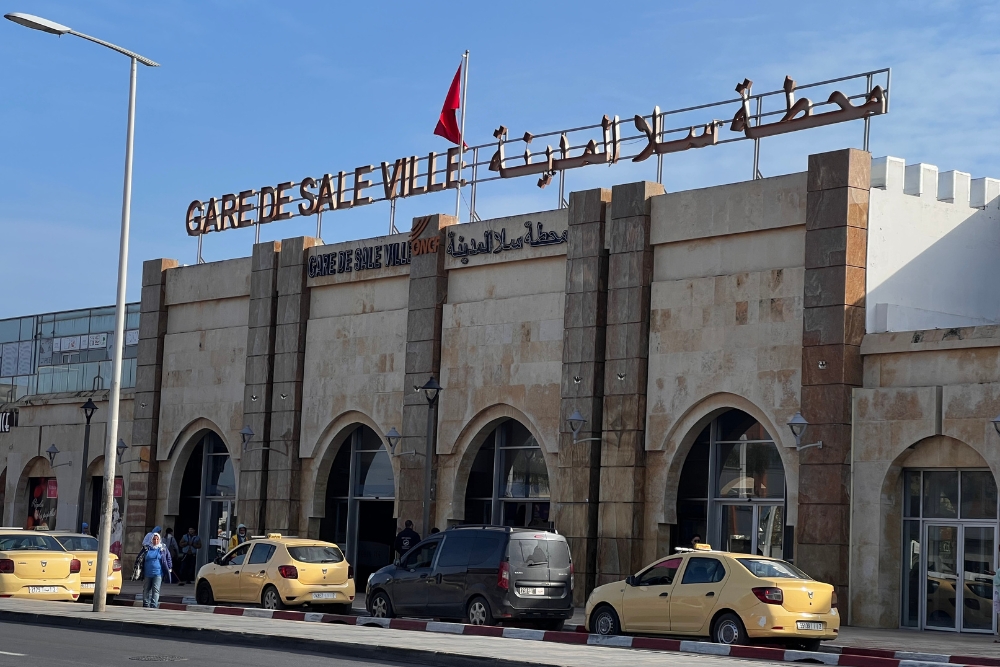
The train from Fes drops you directly at Salé Ville station, which is exactly what happened to us. It’s one stop before Rabat Ville, making it an easy choice if you’re arriving from northern Morocco. The station sits on the edge of the city, and you can either walk to the medina (about 15-20 minutes) or grab a petit taxi for a few dirhams.
What makes Salé particularly practical is its modern tram system, which connects it to Rabat. Line 2 runs across the Hassan II Bridge, linking both cities in about 15 minutes. This means you get budget accommodation in Salé while maintaining easy access to everything Rabat has to offer. It’s the best of both worlds for travelers looking to watch their spending.
Exploring Salé Medina and the Market
We started our morning in the Salé medina, and the difference from tourist-heavy medinas was immediately obvious. This is a working medina—locals shopping for vegetables, buying bread from corner bakeries, going about their daily business. The market sprawls through narrow streets, offering everything from fresh produce and spices to traditional clothing and household goods.
The atmosphere in Salé medina is relaxed. No aggressive selling, no constant “my friend, come look.” Shopkeepers are friendly but not pushy, probably because they’re used to selling to neighbors rather than tour groups. I wandered through the covered sections where vendors sold olives, dried fruits, and nuts, then through the textile areas where women examined fabrics for traditional djellabas.
If you want to buy something authentic without the tourist markup, this is your place. The pottery section particularly caught my attention—traditional Moroccan ceramics at prices that made Fes seem expensive. The best time to visit is in the morning, between 9 and 11 AM, when the market is bustling but not overwhelming. The medina quiets down significantly in the afternoon, especially during prayer times.


Walking to the Atlantic Coast
From the medina, we made our way toward the ocean. Salé’s coastline isn’t a tourist beach resort—it’s where local families come on weekends, where fishermen still work, where the city meets the Atlantic without pretense. The walk took about 20 minutes from the medina center, passing through residential neighborhoods that gave us a genuine sense of everyday life here.
The beach itself stretches north from the river mouth, with cafes and small restaurants dotting the corniche. We grabbed mint tea at a local spot where the clientele was entirely Moroccan—always a good sign. The Atlantic crashed against the shore with that particular force you only get on Morocco’s coast, and we watched surfers attempting the waves in the distance.
This isn’t where you come for pristine sand and beach clubs. This is where you come to see how coastal Moroccan cities actually function, away from the tourism polish. The seafood restaurants here reportedly serve excellent fresh catch, though we didn’t have time to test this ourselves.

© Gayane Mkhitaryan, Kasbah Oudaya from Salé
Views Across to Rabat
One of Salé’s unexpected advantages is the perspective it offers on Rabat. Standing on the Salé side of the Bou Regreg River, you get stunning views of Rabat’s kasbah and the Hassan Tower in the distance. The medieval fortress walls of the Kasbah des Oudaias look particularly impressive from this angle, especially in the late afternoon light.
We walked along the riverfront promenade, which has been recently developed and offers clean walkways with benches facing Rabat. Local families stroll here in the evenings, and the sunset views over the capital are genuinely beautiful. The contrast is striking—ancient kasbah walls on one side, modern city development on the other, and the river flowing between them as it has for centuries.
The riverfront also has several cafes where you can sit with a coffee or tea and watch boats pass by. It’s a peaceful spot that tourists rarely discover because they’re too busy being in Rabat itself.

What Else You Could Do in Salé
Our four hours meant we only scratched the surface. If you have more time—or if you’re using Salé as a base for multiple days—there’s more to explore.
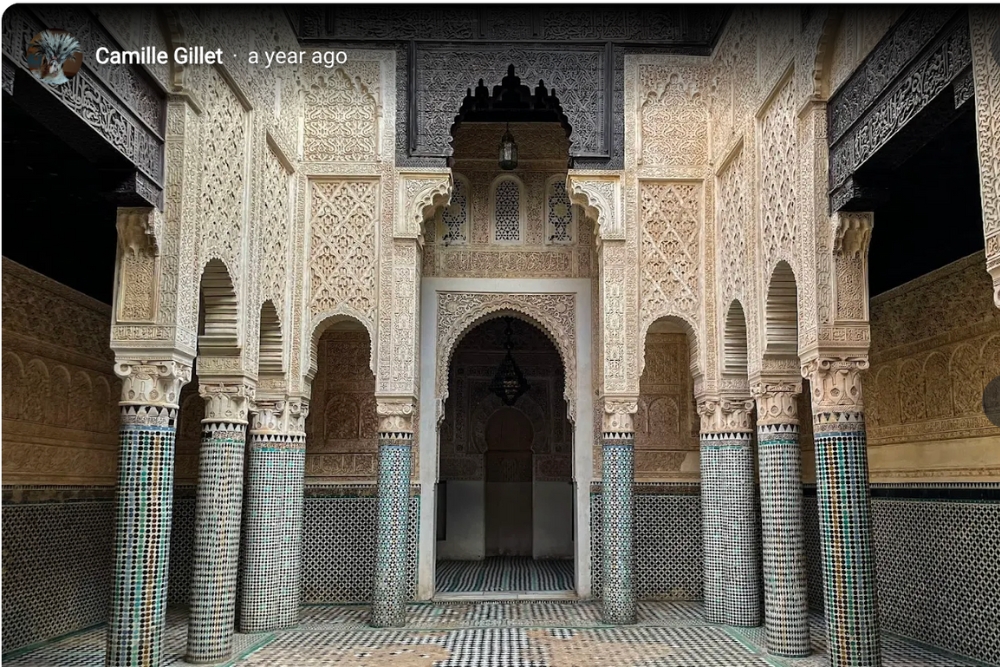
The Medersa of Salé, a 14th-century Islamic school, is supposedly one of Morocco’s finest examples of Marinid architecture. I didn’t visit, but travelers who have say it rivals similar structures in Fes for intricate tilework and carved plasterwork, without the crowds. You can definitely get the same vibe.
© Camille Gillet
The Grand Mosque dominates the medina’s skyline, and while non-Muslims can’t enter, the exterior and surrounding area are worth seeing. The pottery souks near the Bab Chaafa gate are known throughout Morocco—Salé has been a center for traditional ceramic production for centuries.
Traditional hammams dot the medina, offering the full local experience without tourist pricing. Ask at your accommodation for recommendations rather than looking for signs in English—you want the neighborhood hammam, not the one that’s found on TripAdvisor.
In the evening, the medina takes on a different character. Cafes fill with locals playing cards and drinking tea, families stroll through cooler evening air, and small restaurants serve grilled meats and tagines. The atmosphere is relaxed and safe, though the medina isn’t lit up like a tourist zone—bring a phone for navigation if you’re exploring after dark.

The Pirate History Nobody Talks About
Here’s something most visitors don’t know: Salé was once one of the most feared pirate bases in the world. The Salé Rovers, also known as the Salé Corsairs, operated here in the 17th century, raiding ships across the Atlantic and even attacking towns in England and Ireland. At their peak, they formed the independent Republic of Salé, governing themselves outside Moroccan control.
The pirates are long gone, obviously, but this history shaped the city’s defensive walls and fortifications, which you can still see today. The kasbah area and certain gates were built to protect against European retaliation for all those raids. It’s a fascinating chapter that adds depth to the ancient walls you’re walking past in the medina.
There’s no pirate museum or themed attraction, which is very on-brand for Salé. The city isn’t interested in packaging its history for tourists—you either know about it or you don’t.
Is Salé Safe? The Practical Reality
Yes, Salé is safe. I was travelling with my boyfriend, but even without himI would feel completely comfortable walking through the medina alone in the morning, even in narrow back streets where I was clearly the only tourist around. The usual travel awareness applies—don’t flash expensive items, be aware of your surroundings, keep your bag secure—but these are standard precautions for any city anywhere.
Compared to Rabat, Salé feels less chaotic and more local. There’s no tourist hustle because there are so few tourists to hustle. The medina doesn’t have the aggressive vendor culture of Marrakech or even parts of Fes. People are going about their business, and you’re just another person in the market.
At night, stick to main streets and populated areas as you would in any unfamiliar city. The medina gets quiet after shops close, and not all streets are well-lit. The riverfront promenade and main boulevards are busy with families well into the evening and feel very safe.
The budget savings are real—accommodation in Salé costs noticeably less than equivalent places in Rabat. We paid about 30% less for a clean, comfortable riad than we would have across the river. For travelers on a budget, this difference matters, especially when you’re a 15-minute tram ride from everything Rabat has to offer.

Salé or Rabat: Which Should You Choose?
After experiencing both, here’s my honest take: stay in Salé if you’re budget-conscious and want a more authentic, less touristy base. The money you save on accommodation can go toward better meals, additional activities, or extending your trip. The tram connection makes accessing Rabat effortless, so you don’t have to sacrifice convenience.
Choose Rabat if you want to be in the middle of the action, plan to explore nightlife, or prefer walking to major sites rather than taking public transport. Rabat has more dining options, a wider variety of accommodation, and that capital-city energy some travelers prefer.
For me, Salé was the right choice. It gave me a glimpse of Moroccan city life without the tourist filter, saved me money, and still allowed easy access to Rabat’s main attractions. Four hours was enough to appreciate what makes Salé special—it’s not trying to be Rabat, and that’s exactly its appeal. If you’re traveling through the Rabat-Salé area, consider giving this side of the bridge a chance. You might be surprised by what this understated city has to offer.

