
Is Morocco Safe? My Honest Answer After Traveling Through the Country
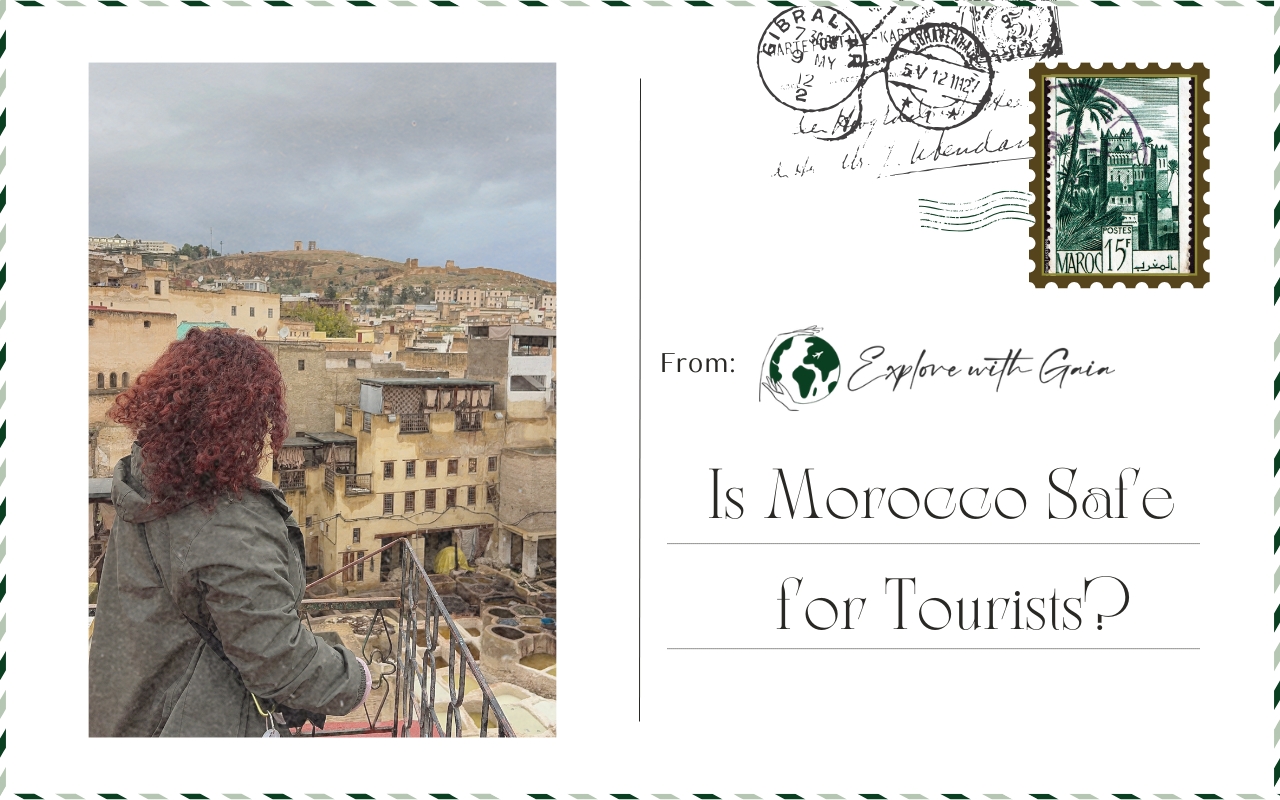
I had doubts before visiting Morocco. Different travel bloggers shared completely different stories—some painted it as a hassle-free paradise, others warned about constant harassment and scams. The truth? You won’t really know until you go there yourself, and even then, your experience might be totally different from mine.
I spent two weeks traveling through Morocco with my boyfriend in December 2025 – January 2026, visiting Nador, Fes, Rabat, Casablanca, Marrakech, Ouarzazate, Ait Benhaddou, and the Atlas Mountains. Here’s what I actually experienced regarding safety—the statistics, the real risks, the segment-specific concerns, and the practical strategies that worked.
Morocco welcomed over 14 million tourists in 2023, with the largest numbers coming from France, Spain, the UK, the United States, and Germany. The country ranks 74th out of 163 countries on the Global Peace Index, making it safer than Mexico (ranked 137th), Turkey (ranked 145th), and Egypt (ranked 135th).
The US State Department classifies Morocco as Level 2: Exercise Increased Caution, primarily due to the potential for terrorism. The UK Foreign Office issues similar warnings. However, violent crime against tourists remains rare. The primary safety concerns are petty crime—pickpocketing and bag snatching — in crowded tourist areas, as well as various scams targeting visitors.
The Real Safety Risks You Should Know About
To put this in perspective: millions of tourists visit Morocco annually without serious incident. The risks that do exist are manageable with awareness and standard travel precautions. Morocco’s government invests heavily in tourism infrastructure and security, particularly in major cities and tourist sites.
Petty Crime (Your Primary Risk)
Pickpocketing and bag snatching are the most common crimes affecting tourists. Hotspots include Jemaa el-Fna in Marrakech (especially at sunset when crowds peak), the Fes medina’s narrow alleys, Tangier’s port area, and anywhere near ATMs.
Prevention strategies that worked: I didn’t display expensive cameras or jewelry and carried a cross-body bag kept in front of me in crowds. At the ATM, I checked on other people while my boyfriend used the machine to withdraw cash. Also, use the ATMs inside banks during business hours rather than standalone street machines.
Common Scams
Fake guides are everywhere in medinas. They approach with “closed today” lies, redirecting you to shops that pay them commission. The carpet shop scam is classic: someone offers a “quick tour,” you end up in a carpet shop with tea, and intense sales pressure follows. We experienced this in Fes and barely escaped.
Taxi scams are constant. Drivers claim meters are “broken” or simply refuse to use them, then charge 3-4x the normal fare. Agree on prices before entering (ask your hotel for standard rates), or insist on the meter. In Marrakech, the airport-to-medina fare should cost 70-100 MAD, not the 200-300 MAD some drivers initially demand. Same refers to other cities like Nador, Fes, Casablanca etc.
Henna artists in squares offer “free” designs, then demand €20-30 payment. Restaurant menu prices change—verify prices before ordering. Change scams are common when paying with large bills.
Transportation Safety
Road conditions vary from good highways to poor rural roads. Moroccan driving is aggressive—lanes are suggestions, horn use is constant, and pedestrians do not have the right of way despite what traffic laws say. Lots of times I had to stop with a hand or scream STOP for them to stop and we could cross the street.
Use registered taxis (look for taxi signs and meters). For intercity travel, CTM and Supratours buses are reliable (book online at ctm.ma). ONCF trains are excellent—comfortable, on time, and cheap (Marrakech to Fes costs around €20 for a 7-hour trip in comfortable seats).
Avoid night travel on remote roads. If renting a car, get comprehensive insurance and mentally prepare for chaotic city driving.
Health Risks
Never drink tap water. Bottled water is everywhere and costs 1-2 MAD per liter. We also used bottled water for brushing our teeth. Traveler’s stomach is common—bring anti-diarrheal medication and oral rehydration salts.
Street food safety: choose stalls with high turnover and watch food being cooked fresh. I tried to avoid salads that might have been washed in tap water. The food that made me sick? An expensive tourist restaurant salad, sometimes with greasy meat, not street food. We categorically skipped street food and ate in good restaurants.
Medical facilities in cities (Marrakech, Rabat, Casablanca) are adequate. Rural areas have limited healthcare. Travel insurance with medical evacuation coverage is essential (€40-60 for two weeks).
Border Regions to Avoid
Do not travel to the Western Sahara region near the Berm—it’s a militarized boundary with landmines. The Algerian border is closed; do not attempt to cross. Remote mountain and desert areas require professional guides due to kidnapping risks (rare but documented). If hiking in the Atlas Mountains or taking desert tours, use only registered, reputable guides.
Is Morocco Safe for Solo Travelers?
Yes, Morocco is generally safe for solo travelers who take standard precautions. The main challenge isn’t danger—it’s what I call the “hassle factor.” You’ll face persistent approaches from vendors, fake guides, and “helpful” strangers whose assistance always ends with requests for money or attempts to direct you to commission-paying shops.
This is annoying, not dangerous. There’s a crucial difference. In two weeks of travelling with my boyfriend, I never felt physically threatened. I did get tired of saying “la shukran” (no thank you) approximately 50 times per day in the medinas.
The real risks for solo travelers are petty theft and scams. Pickpocketing is common in Jemaa el-Fna Square in Marrakech, the Fes medina, and the port area of Tangier. Fake guides are everywhere—they approach with “follow me, I show you” and expect €10+ afterward.
Is Morocco Safe for Female Travelers?
This is the most searched safety question about Morocco, and I need to be direct: female travelers, especially solo women, will experience verbal harassment. It’s common, it’s exhausting, and while it’s not physically dangerous, it’s one of the most frustrating aspects of traveling in Morocco as a woman. Luckily, I was with my boyfriend and didn’t experience it myself. The only annoying thing about taxis was that the drivers wouldn’t talk to me, and their main contact was my boyfriend. It sometimes felt as if I wasn’t there.
Is Morocco Safe for American and Western Tourists?
The US State Department’s “Exercise Increased Caution” advisory for Morocco primarily cites the risk of terrorism. Terrorist attacks remain possible at tourist locations, transportation hubs, and other public areas. Morocco has experienced incidents in the past, though major attacks are rare and years apart.
What I observed: heavy security presence in tourist areas, particularly in Marrakech’s Jemaa el-Fna and at major sites. Police and military are visible, checkpoints exist on highways, and the government clearly prioritizes tourism protection as a major economic driver.
Anti-American sentiment? Minimal in tourist areas. I met American travelers who reported entirely positive interactions. Being Western makes you visible as a tourist—which means you’re a target for vendors and scammers—but not a target for hostility. Morocco is politically stable compared to its regional neighbors, and tourism is a cornerstone of the economy.
Is Morocco Safe for Families and Couples?
Families: Morocco is generally safe in tourist areas, where police presence is heavy. Children attract positive attention—Moroccan culture highly values families, and locals are often genuinely friendly toward kids.
Health considerations matter more for families: stick to bottled water only (1-2 MAD per liter), be careful with street food (choose busy stalls with freshly cooked items), and bring children’s medications from home. Traveler’s stomach is common.
Family-friendly riads are widely available (€80-150/night for family rooms), and many offer cooking classes or cultural experiences suitable for children. Most of the travelers I met had a private guide.
Couples: Morocco is safe for couples, though some cultural considerations apply. The distinction between married and unmarried couples matters culturally, but it’s rarely enforced with tourists. You won’t have issues booking accommodation together. Keep public displays of affection minimal—hand-holding is generally fine, but kissing or embracing publicly is culturally inappropriate and can attract negative attention.
My Final Verdict
Morocco is safe if you take standard precautions—millions visit each year without serious incident. Primary risks are petty crime and scams, not violence. Harassment, especially for women, is exhausting but not physically dangerous. Preparation and realistic expectations matter enormously.
Who thrives in Morocco: travelers comfortable with managed chaos, those who research and plan appropriately, people with patience for cultural differences and tolerance for persistent sales tactics.
Official Sources and References:
- US State Department Travel Advisory: https://travel.state.gov/content/travel/en/international-travel/International-Travel-Country-Information-Pages/Morocco.html
- UK Foreign Office Travel Advice: https://www.gov.uk/foreign-travel-advice/morocco
- Australian Government Travel Advice: https://www.smartraveller.gov.au/destinations/africa/morocco
- Global Peace Index: https://www.visionofhumanity.org/maps/
- Morocco Tourism Statistics: Morocco Tourism Board (www.visitmorocco.com)
- UNWTO Tourism Data: https://www.unwto.org
- CDC Morocco Health Information: https://wwwnc.cdc.gov/travel/destinations/traveler/none/morocco
- WHO Morocco Profile: https://www.who.int/countries/mar
FAQs on Morocco Safety
Is Morocco safe for travelers according to Reddit?
Like every traveler, I tried to find answers before going to Morocco. Reddit experiences vary wildly. The platform skews negative because people post when things go wrong—satisfied travelers are less likely to write detailed trip reports. My experience: the hassle was constant and sometimes exhausting, but I never felt physically unsafe. Read multiple sources beyond Reddit, including official travel advisories and diverse travel blogs.
Do I need travel insurance for Morocco?
Absolutely yes. Medical evacuation coverage is essential—healthcare quality varies significantly, and serious issues may require evacuation to Europe. Cover theft which is a common issue in Morocco. If you’re planning adventure activities (Atlas Mountain hiking, Sahara desert tours, quad biking), ensure your policy covers these activities.
Is tap water safe in Morocco?
No. Drink only bottled water, which costs 1-2 MAD per liter and is available everywhere. Use bottled water for brushing teeth as well. Avoid ice cubes in drinks unless you’re confident they’re made from filtered water (stick to bottled drinks in most places). Salads washed in tap water are risky—if you’re particularly sensitive, avoid raw vegetables unless you’re certain about preparation methods.
Can you drink alcohol in Morocco?
Yes, alcohol is legal for non-Muslims and tourists. It’s available in licensed hotels, tourist restaurants, some bars and nightclubs, and a few specialized shops. You won’t find alcohol in most local shops, supermarkets, or neighborhood restaurants serving Moroccan clientele.
Drinking publicly on the streets is not acceptable—consume alcohol in licensed premises only. Prices are high due to taxes; expect €6-8 for beer and €20+ for wine bottles. During Ramadan, alcohol availability becomes more limited, and some establishments stop serving it entirely during daylight hours out of respect for fasting Muslims.
Is Morocco safe for white tourists?
Yes. Race isn’t a primary safety factor in Morocco—tourists of all races are equally visible and equally targeted by vendors and scammers. The attention you receive is about being identifiable as a tourist (and therefore having money), not specifically about being white. I traveled with people of different races and ethnicities, and the hassle factor was the same for all of us.
Is Morocco dangerous for tourists?
No, Morocco is not dangerous for violent crime. The main risks are pickpocketing, scams, and for women, verbal harassment. Government statistics and international crime indices show low rates of violent crime against tourists. Millions visit each year safely.
Are LGBTQ+ travelers safe in Morocco?
Morocco is legally risky for LGBTQ+ travelers. Same-sex sexual relations are criminalized under Article 490 of Morocco’s Penal Code, with penalties including fines and imprisonment (6 months to 3 years). This law is occasionally enforced, including against tourists, though enforcement is unpredictable.
Avoid public displays of affection. Be cautious about discussing your sexual orientation or gender identity openly, especially outside major tourist areas. Morocco is not an LGBTQ+-friendly destination. If you’re uncomfortable with significant legal risk and the need for constant discretion, consider alternative destinations.
Is Morocco safer than Mexico?
Different risk profiles make direct comparison difficult. Morocco has lower violent crime rates than Mexico overall, but higher rates of petty crime and tourist-targeted scams. Mexico’s safety varies dramatically by region—resort areas like Cancún have heavy security, while cartel-affected areas face serious violence. Morocco doesn’t have cartel-related violence.
Morocco ranks 74th on the Global Peace Index; Mexico ranks 137th. Both countries require awareness and precautions. Morocco’s challenges are primarily petty crime and hassle. Mexico’s challenges vary by location but can include violent crime in specific regions. For tourists sticking to established routes, both can be visited safely with appropriate planning.
Is Marrakech safe at night?
Jemaa el-Fna square is safe until late—it’s well-lit, heavily policed, and stays busy until midnight. The square actually feels safest when it’s crowded. Ville Nouvelle (new town) is generally safer and better lit than the medina at night.
Medina alleys are poorly lit and confusing after dark. It’s easy to get lost, and some areas become quite deserted. If you do walk, stick to the main routes you’ve traveled during daylight, travel in groups, and avoid isolated areas.
