
What to Do in Casablanca: Exploring Morocco’s Paris-Like City
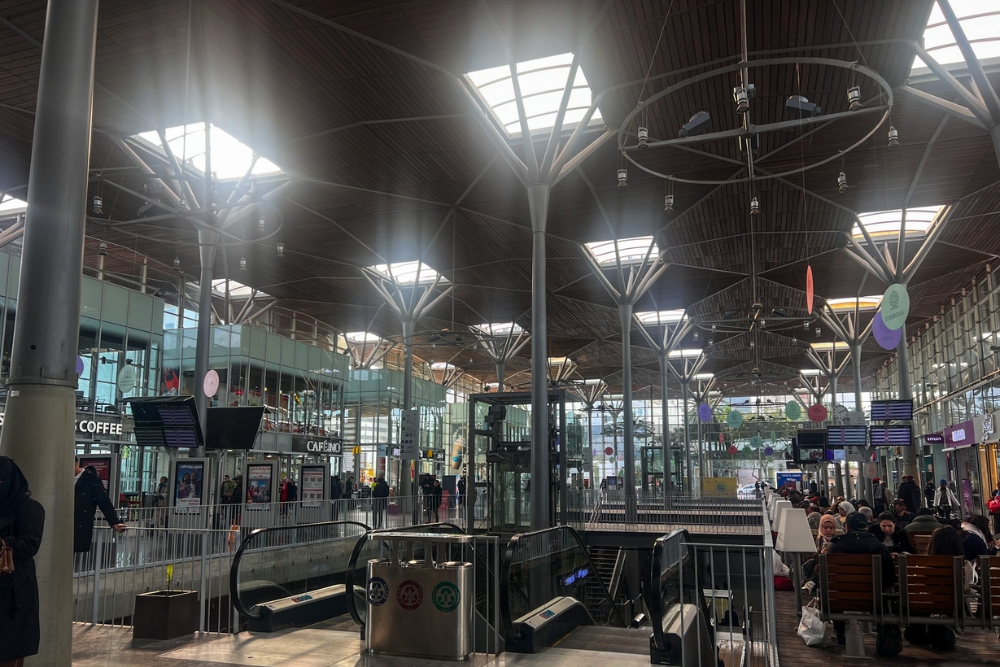
When I stepped off the train at Casa Port station from Rabat, I wasn’t prepared for what Casablanca would feel like. Unlike the medinas and riads I’d explored elsewhere in Morocco, Casablanca greeted me with wide boulevards, Art Deco facades, and wrought-iron balconies that could have been lifted straight from Paris.
Over two days in Morocco’s largest city, I discovered a unique blend of French colonial elegance and Moroccan culture – from watching football in a deconsecrated church to celebrating New Year’s Eve with 12 grapes for good luck. Here’s my honest guide to what worked, what didn’t, and why Casablanca surprised me.
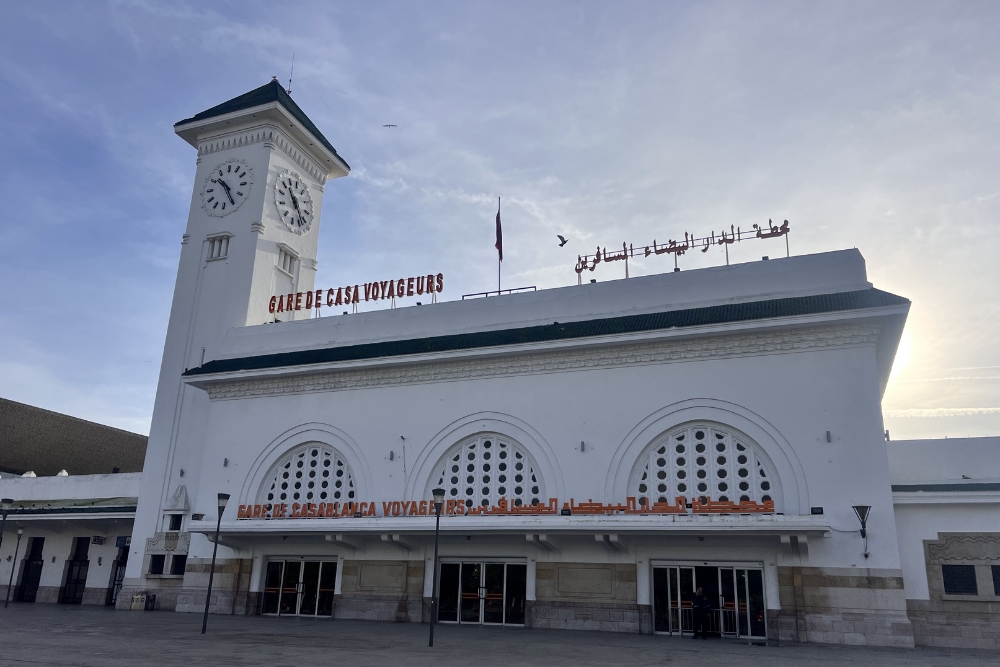
Casablanca is well-connected to major Moroccan cities by train, making it easy to visit from Rabat, Marrakech, Fez, or Tangier. I took the train from Rabat to Casa Port station, which drops you right in the heart of the New City – perfect for exploring the French colonial architecture. The journey is frequent and affordable. When I left Casablanca for Marrakech, I departed from Casa Voyageurs station, which handles most southern routes. I’ll cover Morocco’s train system in detail in a separate guide.
Why Casablanca Feels Like Paris
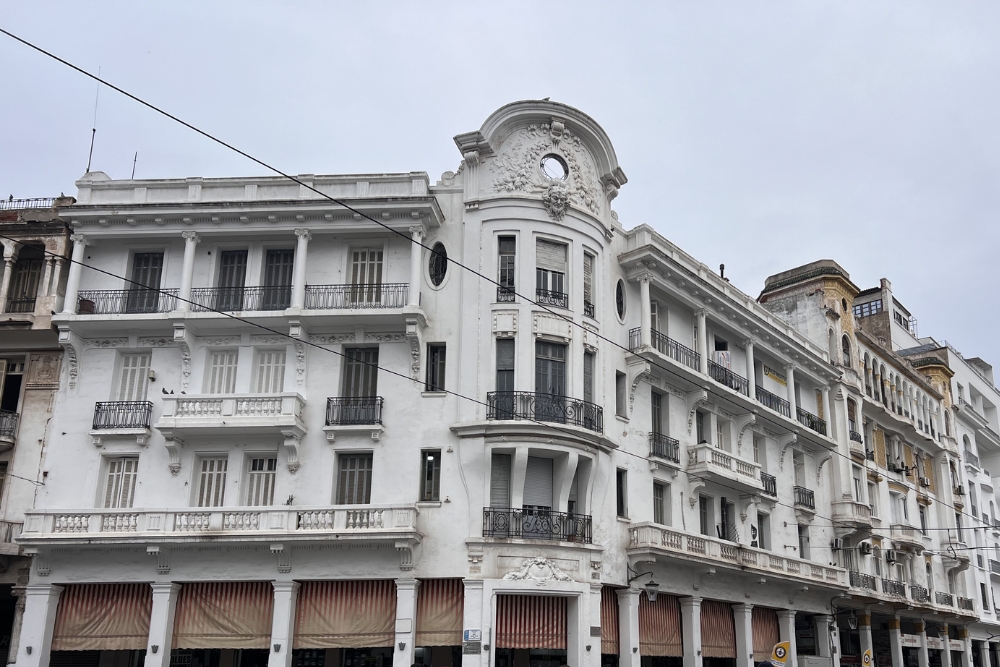
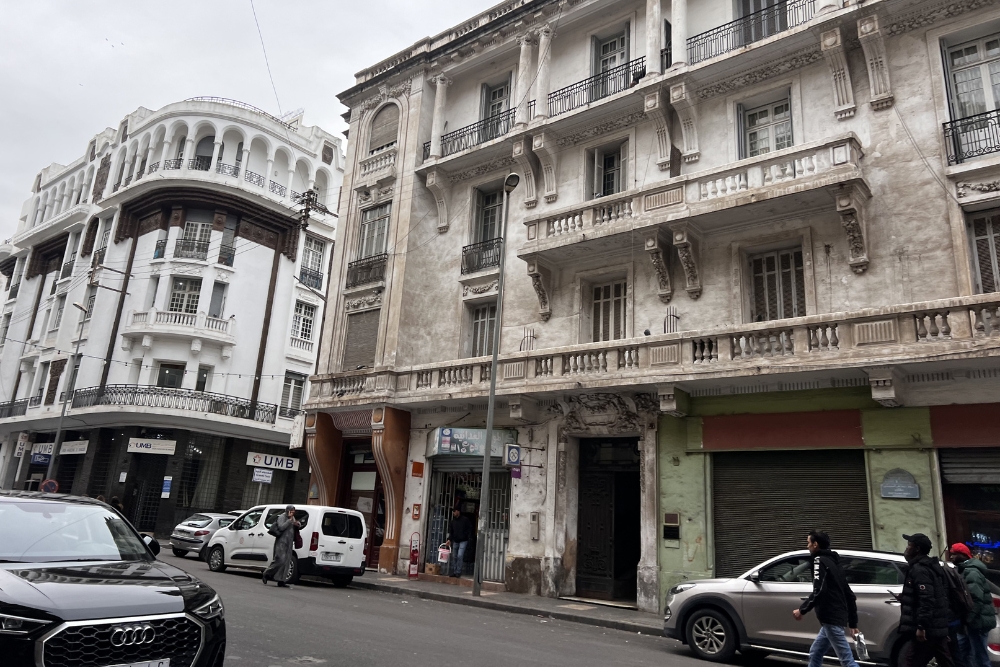
Walking through Casablanca’s New City felt like stumbling into a parallel universe where Paris had been transplanted to North Africa. The resemblance isn’t superficial – this is genuine French colonial architecture from the early 20th century, when France transformed Casablanca from a small port into Morocco’s economic powerhouse.
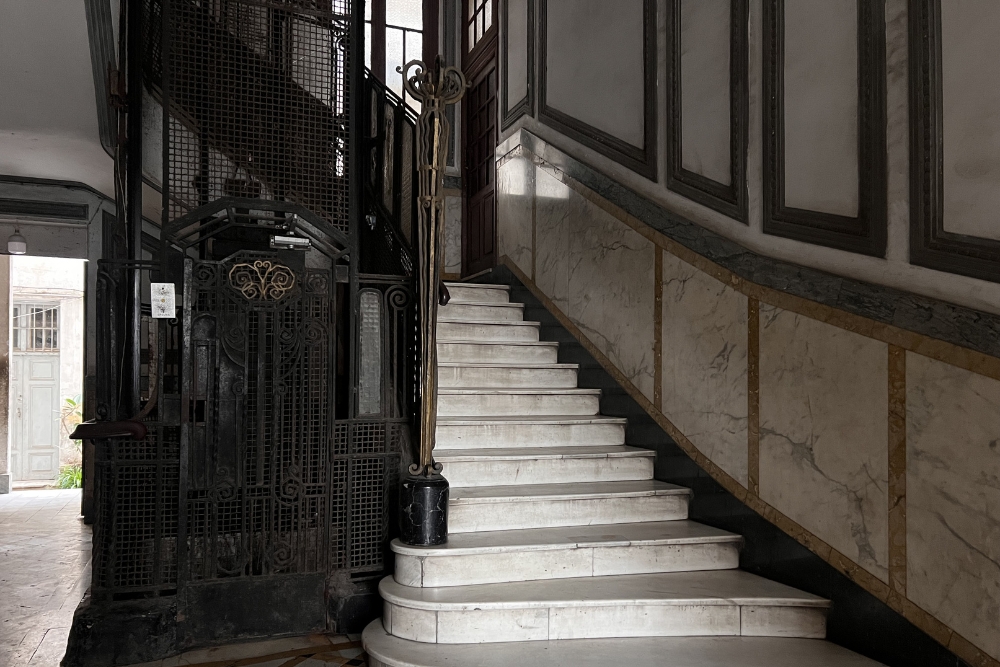
Boulevard de Paris runs through the city center, lined with elegant buildings featuring the same ornate balconies, tall windows, and limestone facades you’d find in the 8th arrondissement. But what fascinated me most was venturing inside the apartment blocks. These aren’t museums – people live here – but the lobbies reveal marble staircases, art deco elevator cages with intricate metalwork, and wooden doors with brass fixtures that have survived decades.
The contrast gives Casablanca its unique character. You’ll walk past a Parisian-style cafe, then turn a corner to find a mosque’s minaret rising above art deco rooflines. Street vendors sell fresh mint and oranges beneath wrought-iron balconies. It’s neither fully European nor typically Moroccan – it’s something entirely its own.
I spent hours just wandering these streets, photographing elevator interiors and architectural details. If you appreciate urban architecture and want to see a side of Morocco beyond the traditional medinas, Casablanca alone makes it worth visiting.
Top Things to Do and See in Casablanca
Hotel Excelsior
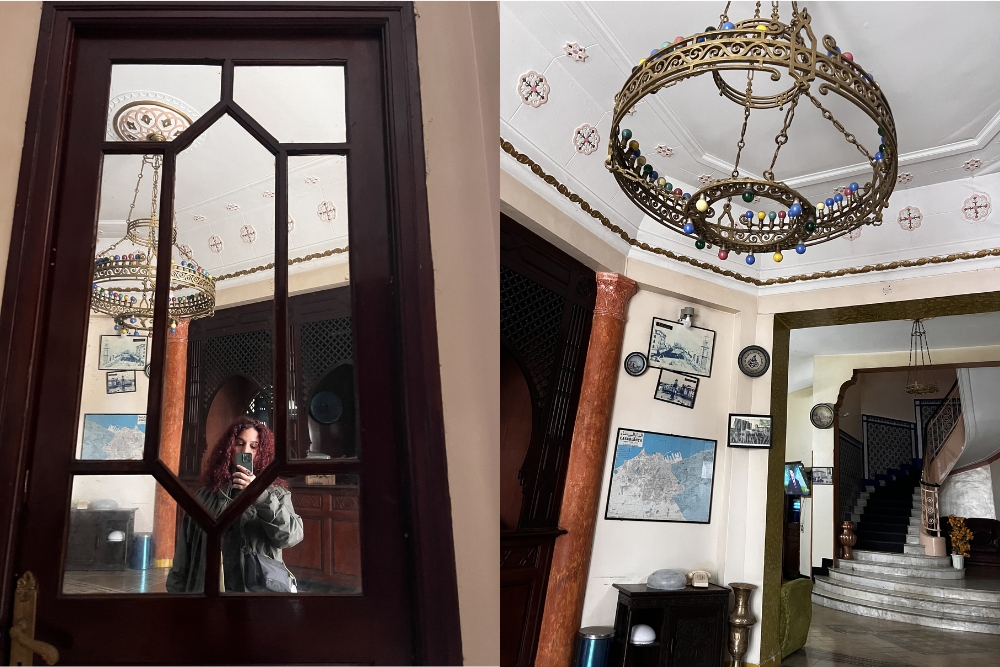
The Hotel Excelsior stands as one of Casablanca’s most iconic colonial-era buildings, and you don’t need to be a guest to appreciate it. This grand hotel from the 1920s represents Casablanca’s golden age, when the city attracted international travelers and wealthy European residents.
I walked into the lobby, which features period details, including ornate ceiling work, classic tile floors, and furniture that looks as if it hasn’t been updated since the hotel opened. The architecture shows classic French colonial style – high ceilings, large windows, and elegant proportions.
Whether you stop in for a drink at the bar or just admire the exterior and lobby, Hotel Excelsior offers a quick glimpse into Casablanca’s past. The building’s facade alone, with its corner position and classic design, is worth photographing.
Cinema Rialto
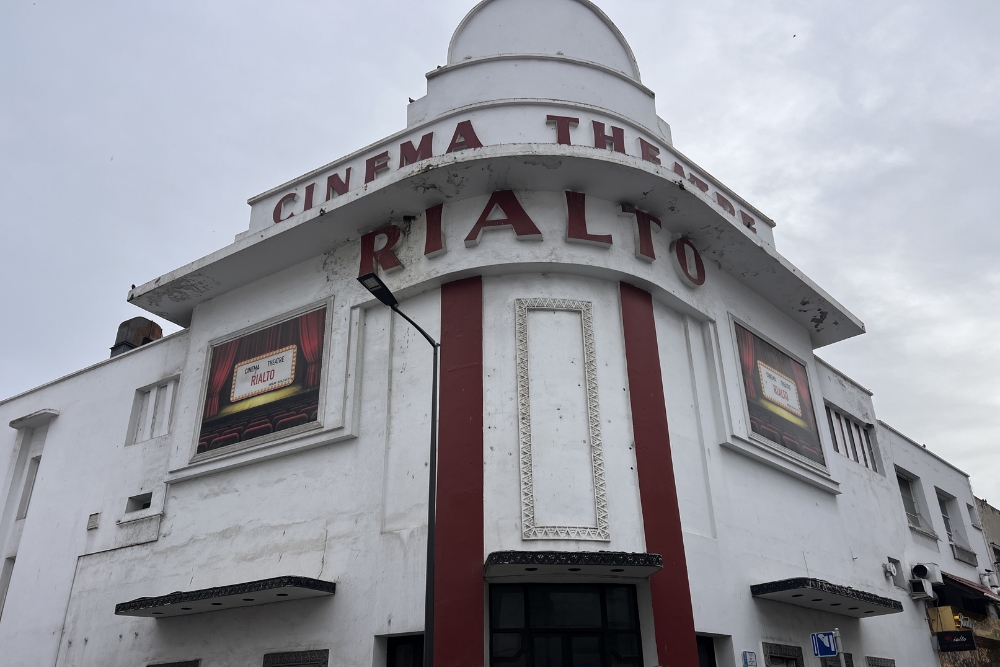
Cinema Rialto is one of Casablanca’s most photographed buildings, and once you see it, you’ll understand why. It’s famous for hosting performers like Edith Piaf and Josephine Baker. This Art Deco cinema from 1930 features the geometric lines, vertical emphasis, and decorative elements that defined the era’s theatrical architecture.
The white facade with its distinctive tower makes it a landmark in the New City. Even if you’re not catching a film (it’s abandoned), the exterior alone deserves a stop on your architectural walk.
Cinema Rialto is on a main street, making it easy to spot and photograph. I included it as one stop during my exploration of the New City’s colonial architecture, spending about 10 minutes admiring and photographing the exterior before moving on.
Exploring the New City’s French Colonial Architecture
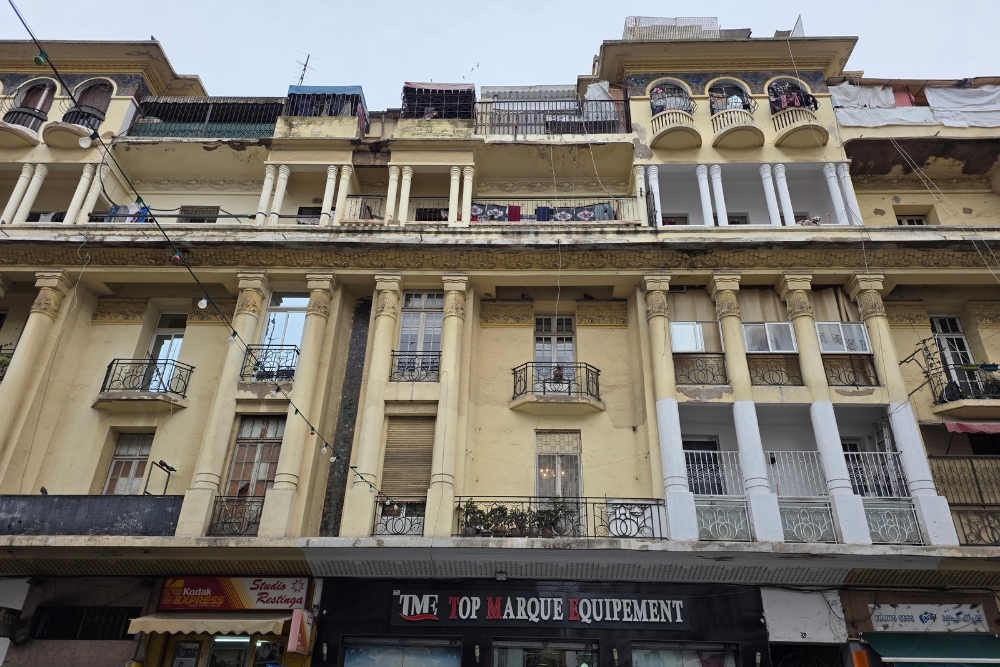
The real magic of Casablanca happens when you stop following a specific itinerary and just wander. The New City is full of architectural treasures hiding in plain sight – you just need to look up, and occasionally, ask politely to step inside.
I spent an entire morning walking through residential streets, discovering vintage elevators that looked like they belonged in a Wes Anderson film. These aren’t museum pieces – residents still use them daily – but many buildings have beautifully preserved elevator cages with ornate metalwork and original mechanisms visible through the gates.
The staircases are equally impressive. Marble steps worn smooth by decades of use, art deco railings, and geometric tile patterns create tiny architectural moments worth pausing for.
I found this self-guided architectural exploration more rewarding than many of Casablanca’s official tourist sites. It’s free; you can move at your own pace, and you’ll see authentic local life alongside historic preservation. Consider at least two hours if you want to really appreciate this aspect of the city. My boyfriend also found a record store, but unfortunately, the owner died from COVID, and the store has been closed since then.
Église du Sacré-Cœur
Walking into Sacré-Cœur church to find a football match playing on a massive screen was not what I expected in Morocco – or in any former church, for that matter. This deconsecrated Catholic church no longer serves religious purposes but has been transformed into a cultural space, hosting everything from art exhibitions to sports screenings.
The building itself is worth visiting for the architecture. Built in the 1930s, it features a neo-Gothic design with Moroccan influences – pointed arches, tall windows, and a spacious interior that now feels dramatically different from its original sacred purpose.
During my visit, my boyfriend and I were the only obvious tourists in a crowd visiting the church. Our presence caught the attention of RFL (a French radio station), who interviewed us about our “cultural shock” of seeing a football match in a church. It was a perfect example of modern Casablanca’s cultural evolution – taking colonial-era religious buildings and repurposing them for contemporary community use.


Central Market
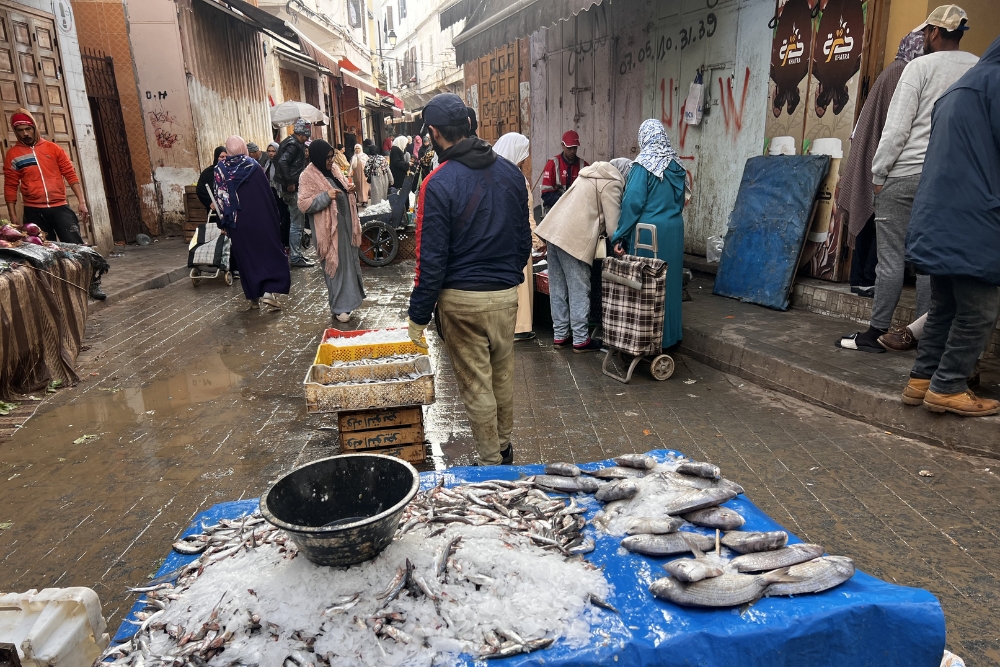
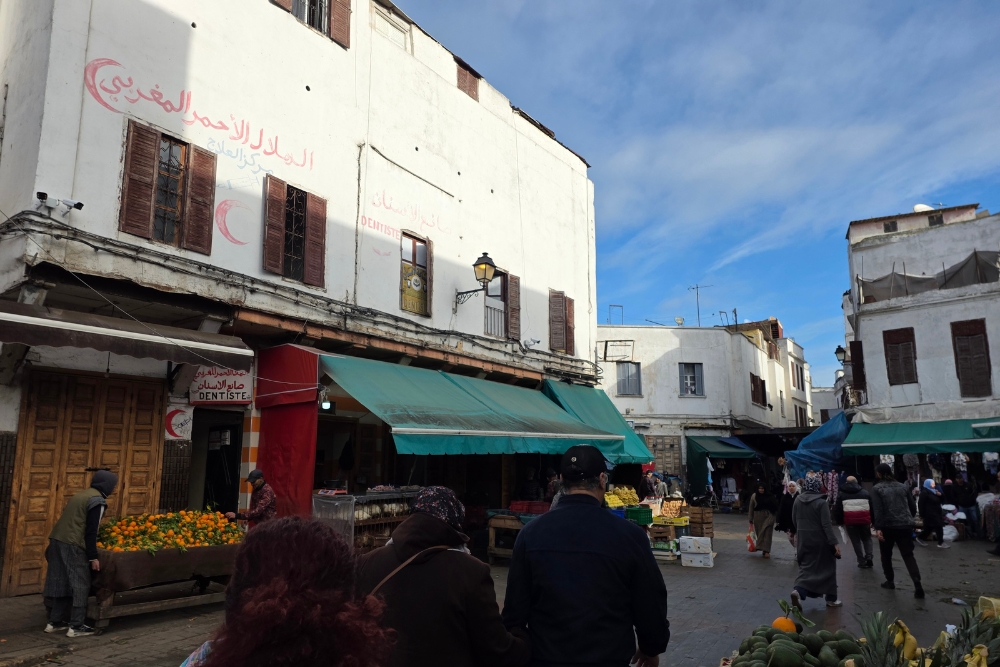
I need to be honest: the Central Market was the worst market I’ve ever been to in Morocco. After the pleasant souks in Rabat and the organized markets elsewhere, Casablanca’s central market felt overwhelming in all the wrong ways.
The smell hit me first – a combination of fish, meat, spices, and too many people in too small a space. The market was packed shoulder-to-shoulder, making it difficult to navigate or appreciate any of the products. Unlike other Moroccan markets where I enjoyed browsing, here I just wanted to get out.
This is clearly a market for locals rather than tourists, which I normally appreciate. But the sheer intensity of the crowding and the sensory overload made it unpleasant rather than authentically charming. I lasted about 15 minutes before leaving.
For a better market experience in Casablanca, consider the Quartier Habous (New Medina) instead, which offers traditional shopping in a less overwhelming environment.
Hassan II Mosque
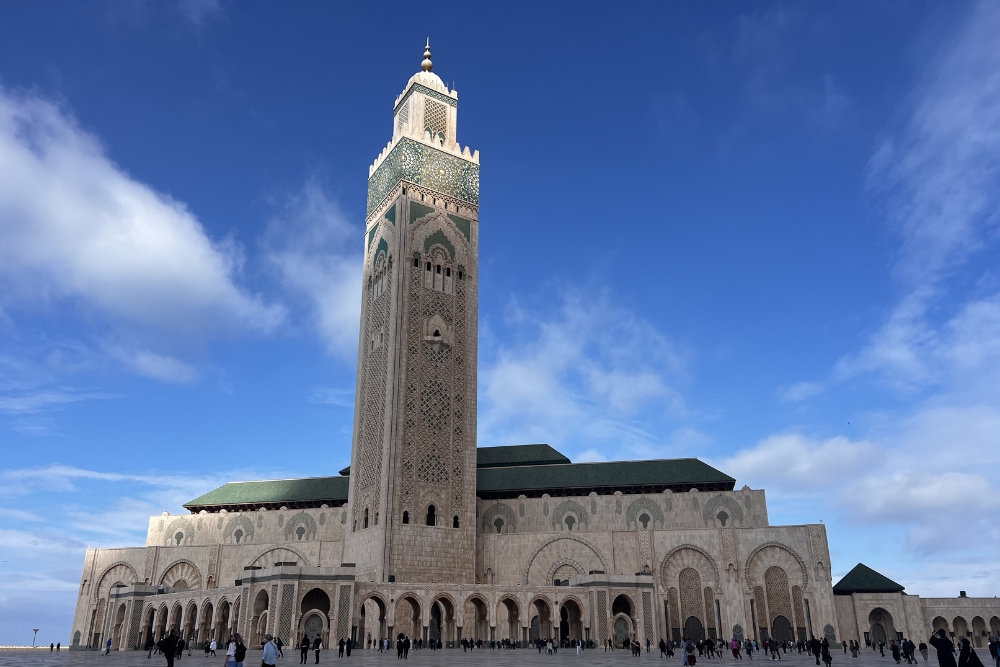
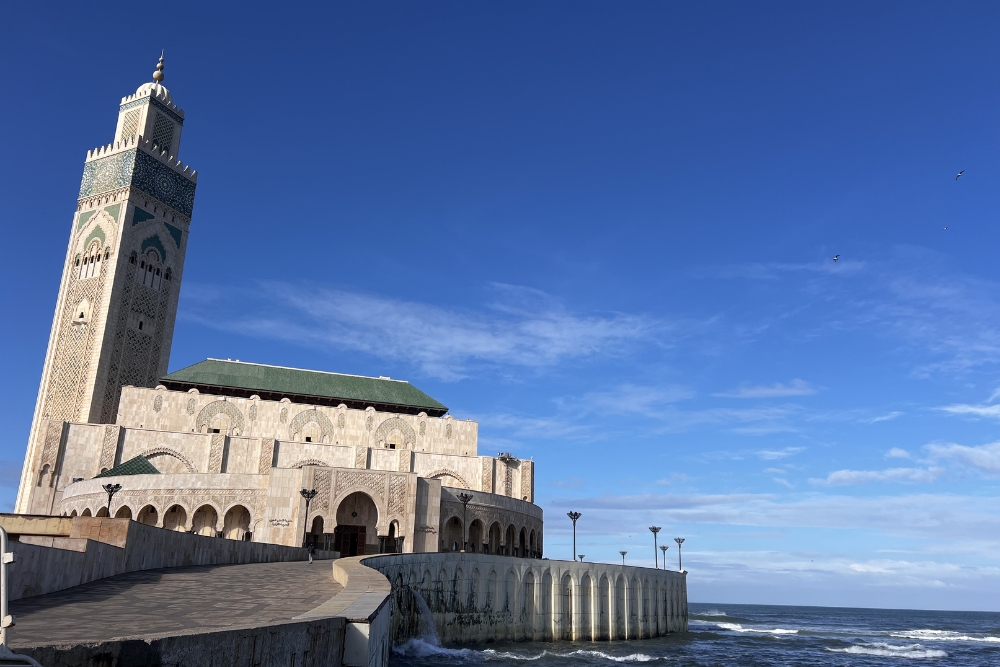
Hassan II Mosque is the only mosque in Morocco open to non-Muslims, and the third-largest mosque in the world. The statistics are impressive. The minaret reaches 210 meters (689 feet), making it the world’s tallest minaret. The mosque can accommodate 25,000 worshippers inside and another 80,000 in the exterior grounds. The location on the Atlantic coast is dramatic, with waves crashing against the platform during high tide.
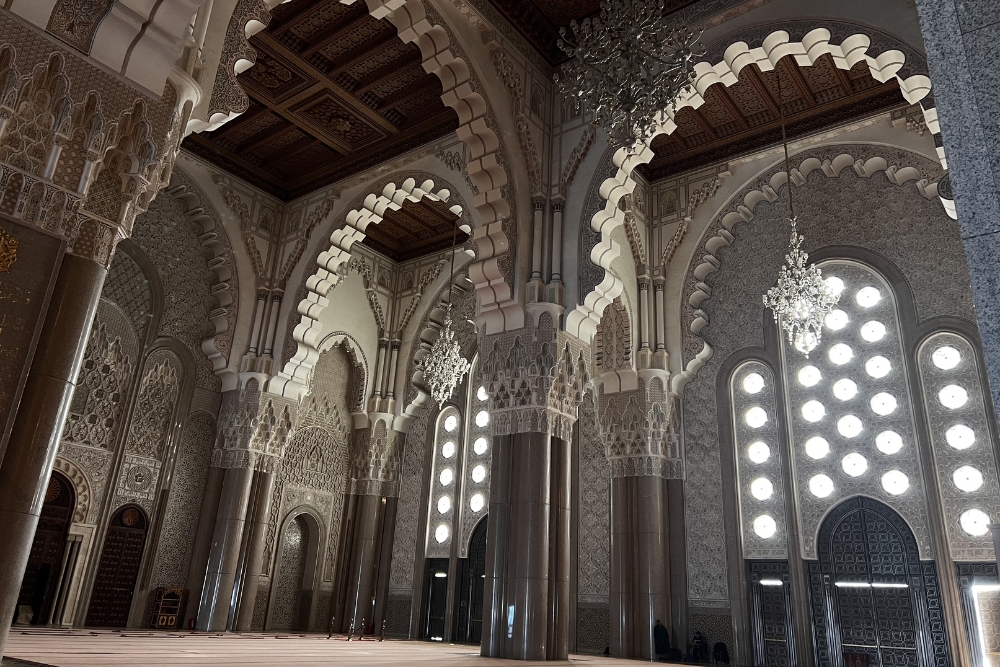
Entry requires joining a guided tour – you can’t explore independently. Before entering, you must remove your shoes and place them in a small bag they provide, which you’ll carry with you throughout the tour, so have a small backpack or a totebag with you. The guided tour takes you through the prayer hall, showcasing intricate marble work, hand-carved cedar woodwork, massive chandeliers, and the famous retractable roof that opens to the sky.
But is it worth €14? That depends on your priorities. If you’re interested in Islamic architecture and this is your only chance to see inside a mosque in Morocco, yes. If you’re traveling on a tight budget and have visited other grand mosques elsewhere, you might question the value. I found it beautiful but expensive. For comparison, you can visit incredible mosques in other countries for free or for much less.
An alternative if you’re budget-conscious: viewing the mosque from outside is free and still impressive. Walk along La Corniche or view it from the surrounding areas, especially at night when it’s illuminated.
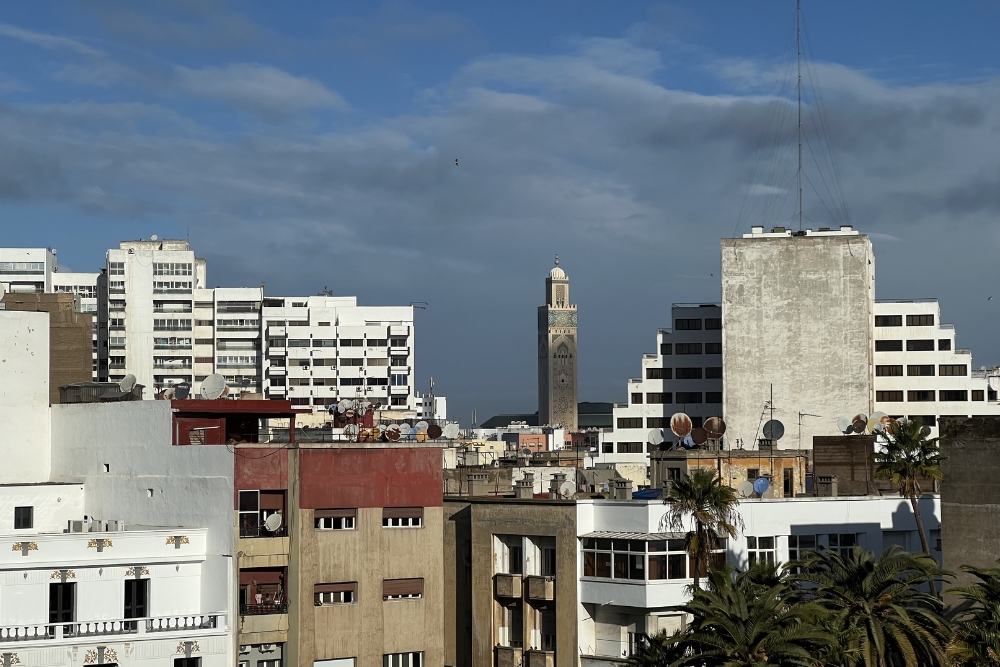
© Gayane Mkhitaryan, view from James Rooftop, Casablanca
Marina Mall
After hours of walking and architectural exploration, Marina Mall provided exactly what we needed: air conditioning, bathrooms, and pizza. This modern shopping center near Hassan II Mosque is utterly unremarkable in the best possible way – it’s a standard contemporary mall that could exist anywhere.
We didn’t shop, but we had a decent pizza at one of the restaurants, which was fine though not memorable. The mall serves a practical purpose: it’s a comfortable place to take a break, especially if you’re visiting in the summer heat or need to use the facilities. There’s a food court with various options beyond Moroccan cuisine, which some travelers appreciate after weeks of tagines.
Notre Dame de Lourdes Church
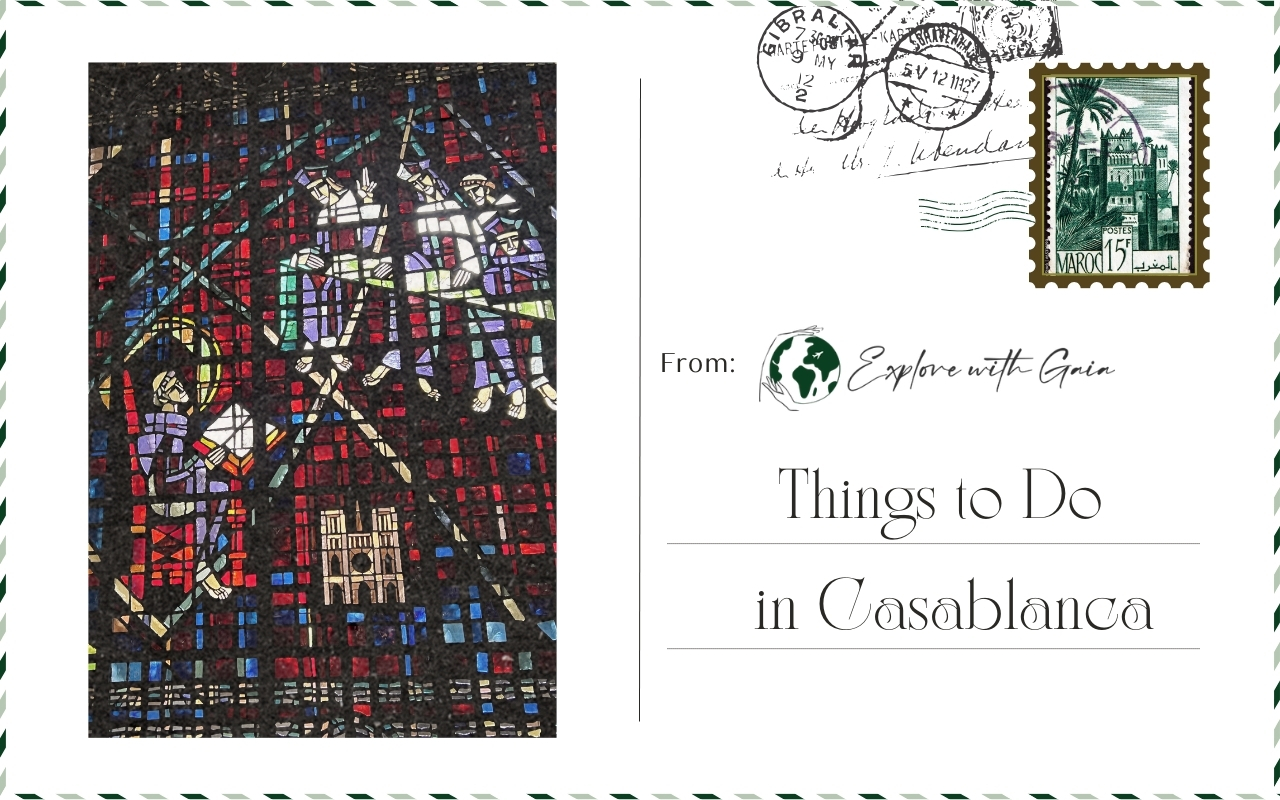
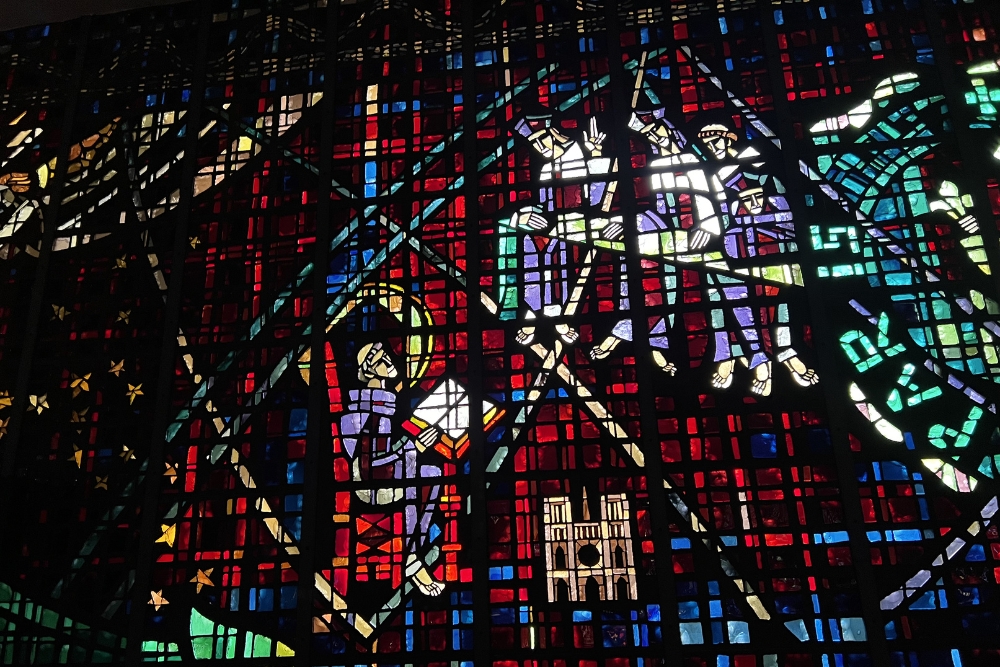
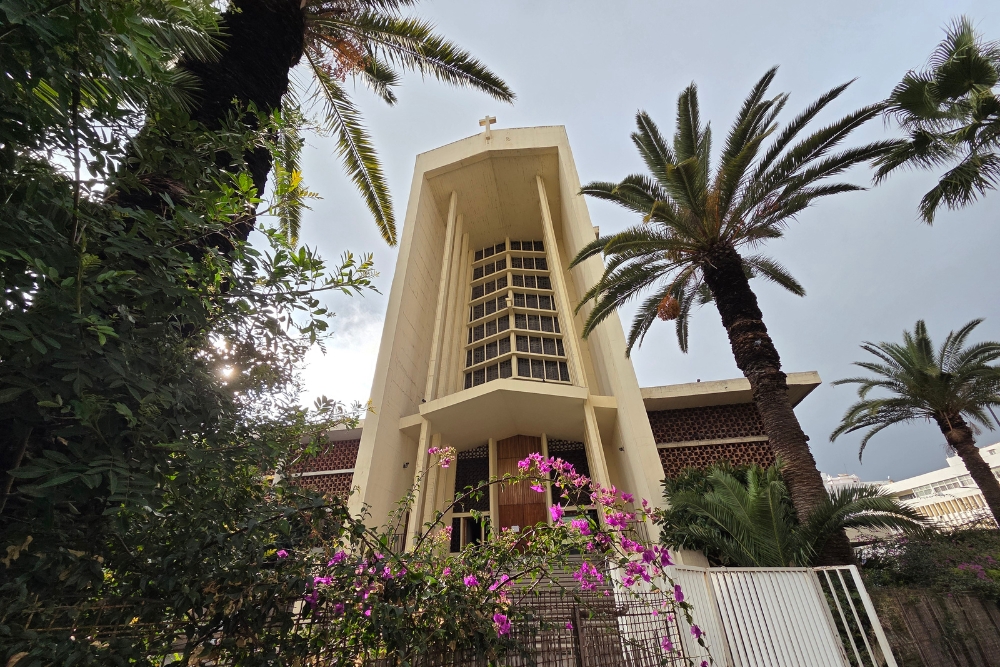
Notre Dame de Lourdes stands out immediately from a distance thanks to its distinctive stained glass – or more accurately, its colored glass panels that create a kaleidoscope effect across the modernist facade. This active Catholic church from the 1950s represents a different architectural approach than the neo-Gothic Sacré-Cœur, embracing mid-century modernism.
What fascinated me most was discovering the hidden symbols and references to Notre-Dame de Paris throughout the building. Look carefully and you’ll spot visual connections to the famous Parisian cathedral worked into the design – a subtle acknowledgment of Casablanca’s architectural debt to France. These references aren’t obvious; you need to look closely at decorative details and structural elements to spot them.
El Hank Lighthouse & La Corniche
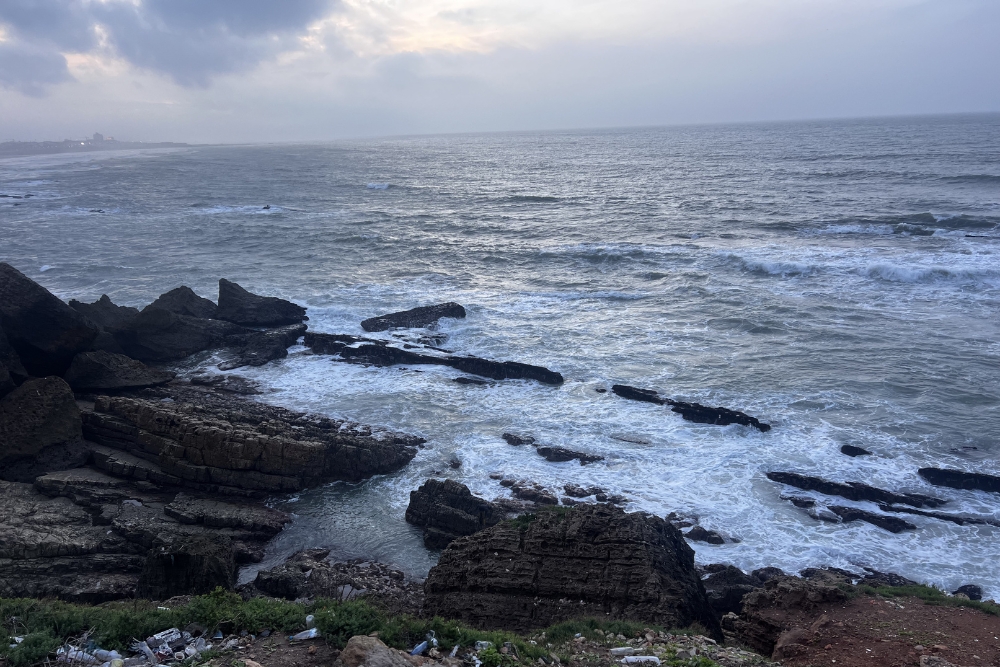
La Corniche – Casablanca’s Atlantic coastline promenade – promised sunset views and scenic ocean scenery. What I got instead was wind. A lot of wind. Unfortunately, clouds covered any sunset, but the walk along the coast still offered a nice break from urban exploration.
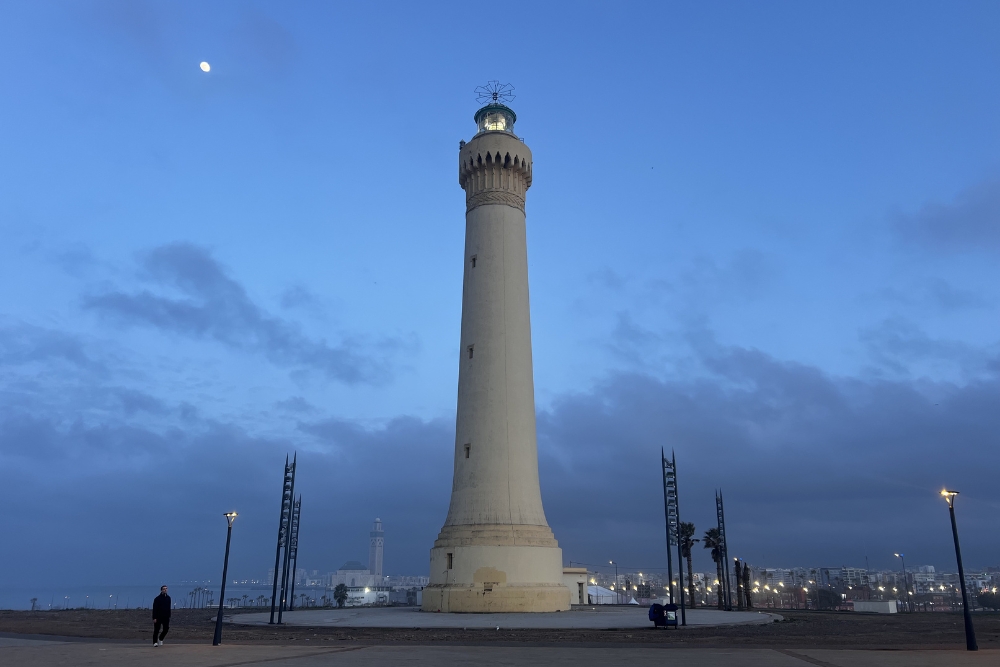
El Hank Lighthouse stands at the western end of the corniche and has become one of Casablanca’s recognizable landmarks. The lighthouse itself isn’t open to visitors, but it serves as a good destination point for a coastal walk. The rocky coastline around the lighthouse provides dramatic views of the Atlantic waves crashing against the shore.
La Corniche stretches for several kilometers along the coast, lined with cafes, restaurants, and beach clubs. The atmosphere is distinctly more relaxed than the busy city center, with locals out for evening strolls and families gathering at the waterfront. Even with the wind and lack of sunset, walking along the promenade felt pleasant – just bring a jacket, because the Atlantic wind is no joke.
Additional Places to Consider
If you have more than two days in Casablanca or want to explore beyond the main sights, these locations are worth considering:
Mahkama du Pacha
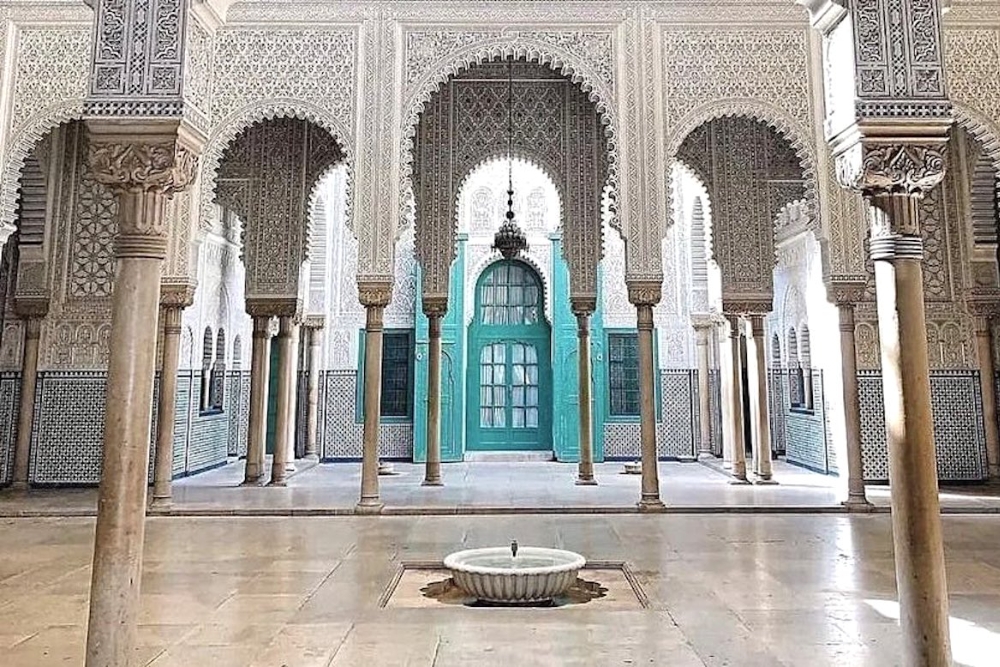
This former courthouse and current reception hall showcases stunning Moroccan architecture with intricate zellige tilework, carved cedar ceilings, and multiple interior courtyards. The building represents traditional Moroccan craftsmanship applied to a colonial-era administrative building. Access may require booking a guided tour or special permission, as it’s still used for official functions.
© Maroc Voyage de Rêve
Rick’s Café
Made famous by the 1942 film “Casablanca” (which was actually filmed entirely in Hollywood), this recreated bar and restaurant mimics the movie’s aesthetic. It’s a pure tourist experience rather than authentic Moroccan culture, but film fans might enjoy the nostalgia. Expect high prices and make a reservation if you want to visit – it’s genuinely popular despite being entirely artificial.

© GetYourGuide
New Year’s Eve in Casablanca: James Rooftop
Finding a place to celebrate New Year’s Eve in a Muslim-majority country felt uncertain, so I was surprised when booking a table at James Rooftop turned out to be easy. The clientele was mainly international – expats and tourists – which explained both the availability and the full New Year’s Eve treatment.
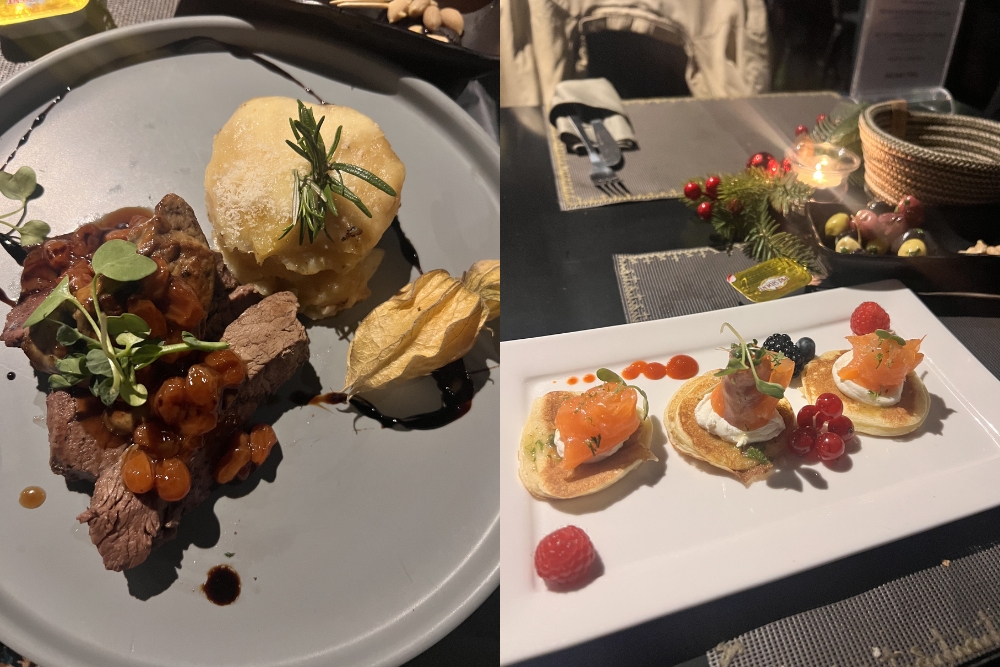
The set menu included a welcome drink (a glass of prosecco, naturally), two entrées per person, two main dishes, and dessert. We ordered an additional bottle of wine separately, which raised the total cost, but it was still reasonable for a special-occasion meal with entertainment.
The organization impressed me. The restaurant had prepared New Year’s decorations throughout, provided novelty 2026 glasses for the countdown, and – this was my favorite touch – gave us 12 grapes to eat at midnight according to Spanish tradition (one grape for each chime of the clock, making a wish with each one). I hadn’t expected to find this tradition in Morocco, but it added a special cultural element to the celebration.
Throughout the evening, there was live entertainment including dancing and singing, building energy toward the midnight countdown.
Moving On: Casablanca to Marrakech
After two days exploring Casablanca, we headed to Marrakech from Casa Voyageurs station. This is different from Casa Port, where we arrived from Rabat – Casa Voyageurs handles trains going south toward Marrakech, while Casa Port serves the northern routes.
The train to Marrakech takes about 2.5-3 hours and runs frequently throughout the day. Tickets are affordable, especially if you book second class, which is comfortable enough for this journey. First class offers more space and quieter cars if you prefer.
The Casablanca-Marrakech route is one of the most popular and well-served in the country. Book tickets in advance during high season (summer and holidays) or just show up and buy at the station during quieter periods.
FAQs: All you Need to Know Before Traveling to Marrakech
Is Casablanca worth visiting?
Casablanca is worth visiting if you’re interested in French colonial architecture, want to see Morocco’s modern business side, or are curious about how European and Moroccan cultures blend. It’s not the top priority for first-time Morocco visitors – Marrakech, Fez, and Chefchaouen probably deserve that ranking – but it offers something different from the typical medina experience.
How many days do you need in Casablanca?
Two days were perfect for me. Day one, we explored the New City architecture, visited the churches, and walked La Corniche. On day two, we visited the Hassan II Mosque and had time for more casual wandering.
You can cover the main highlights in one full day if you’re efficient, but two days allow a more relaxed pace without feeling rushed. More than two days makes sense only if you’re using Casablanca as a base for day trips or if you’re particularly fascinated by the architecture and want more time to explore.
Is Casablanca safe for tourists?
Casablanca felt safe during my visit. The New City area, where most tourists spend time, is well-policed and I never felt unsafe walking around, even at night after the New Year’s Eve celebration. The crowded Central Market requires normal precautions about pickpockets – keep your valuables secure – but that’s standard for any crowded market anywhere.
As Morocco’s business hub, Casablanca regularly welcomes international visitors and has the infrastructure to support tourism. Use common-sense urban safety practices: avoid poorly lit areas at night, keep an eye on your belongings in crowds, and trust your instincts.
Can you drink alcohol in Casablanca?
Yes, alcohol is available in Casablanca at hotels, some restaurants catering to international clientele, and dedicated wine/liquor stores. My New Year’s Eve experience at James Rooftop included prosecco and wine without any issues. Morocco is a Muslim-majority country, so alcohol isn’t as widely available as in European cities, but tourist areas and international establishments serve it.
You won’t find alcohol in traditional Moroccan restaurants or local neighborhoods. Prices are higher than in Europe due to taxes. Respect local culture by not drinking in public and by being discreet about alcohol consumption.
Do you need a guide in Casablanca?
No, Casablanca is easy to navigate on your own. The New City has a logical grid layout, many people speak French or English, and the main sights are straightforward to find. The only exception is the Hassan II Mosque, where guided tours are mandatory – you can’t enter without joining a tour.
For everything else, including exploring the colonial architecture, visiting churches, and walking La Corniche, you can easily explore on your own. Taxis and ride-sharing apps make getting around simple, without needing a guide. Casablanca is more like visiting a European city than navigating a complex medina where a guide adds significant value.
Conclusion
Casablanca surprised me. I arrived expecting Morocco’s largest city to be a necessary transit point, and instead discovered a fascinating blend of Parisian elegance and Moroccan energy.
Was everything perfect? No. The Central Market overwhelmed rather than charmed, Hassan II Mosque felt overpriced despite its beauty, and the wind stole my La Corniche sunset. But those imperfections felt honest – Casablanca isn’t performing for tourists, it’s just being itself.
This city won’t appeal to everyone. If you’re seeking Morocco’s traditional face – ancient medinas, artisan workshops, and riads with courtyards – focus your time on Fez or Marrakech. But if you’re curious about how colonialism shaped modern Morocco, appreciate early-20th-century architecture, or want to see Moroccan life beyond the tourist trail, Casablanca rewards a visit.
