
A Cinematic Journey Through Lithuania & Films Shot in Lietuva
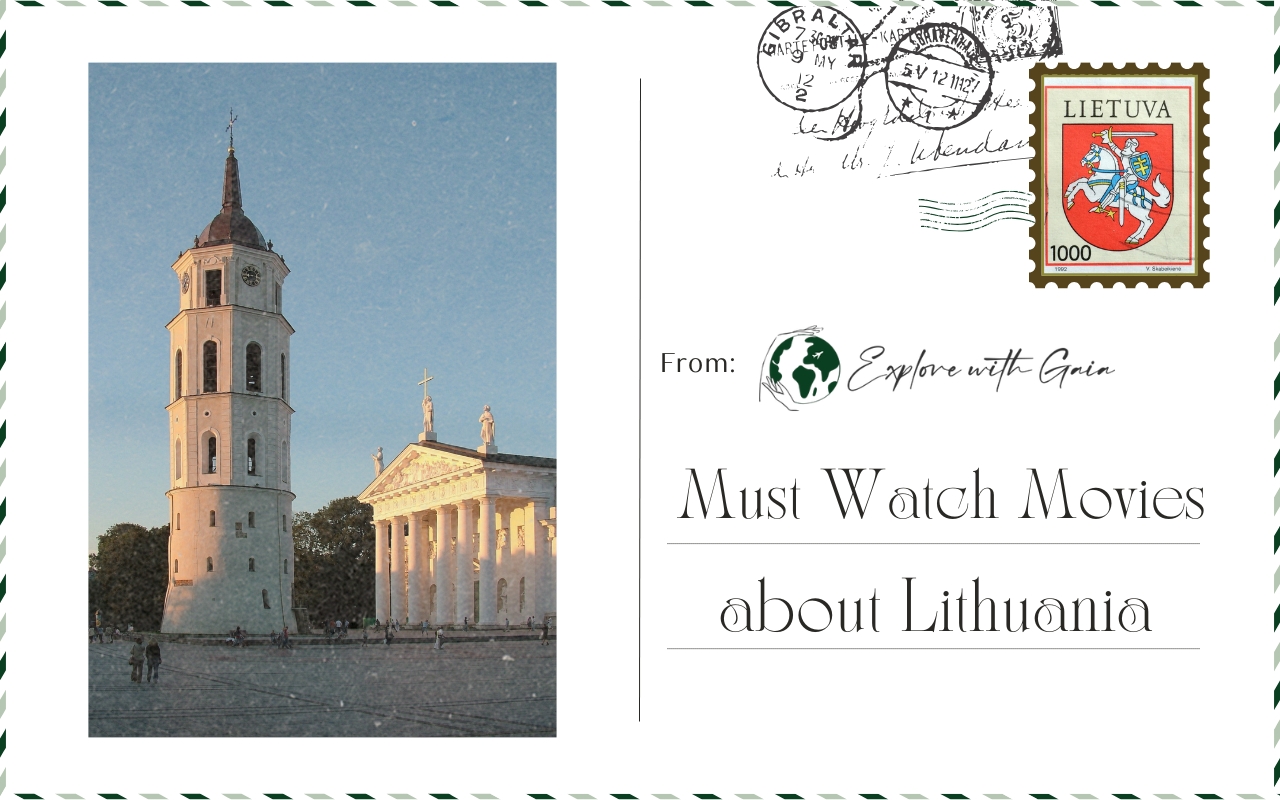
Lithuania may be a small country, but its film industry and scenic locales have made a big impact on cinema. From classic Lithuanian dramas to Hollywood productions set against its medieval streets and wild forests, these films offer a window into Lithuania’s soul. Whether you’re a cinephile looking to explore new cultures or a traveler seeking a deeper connection with your destination, this guide has something for you. Get ready to fill up your watchlist with Lithuanian gems!
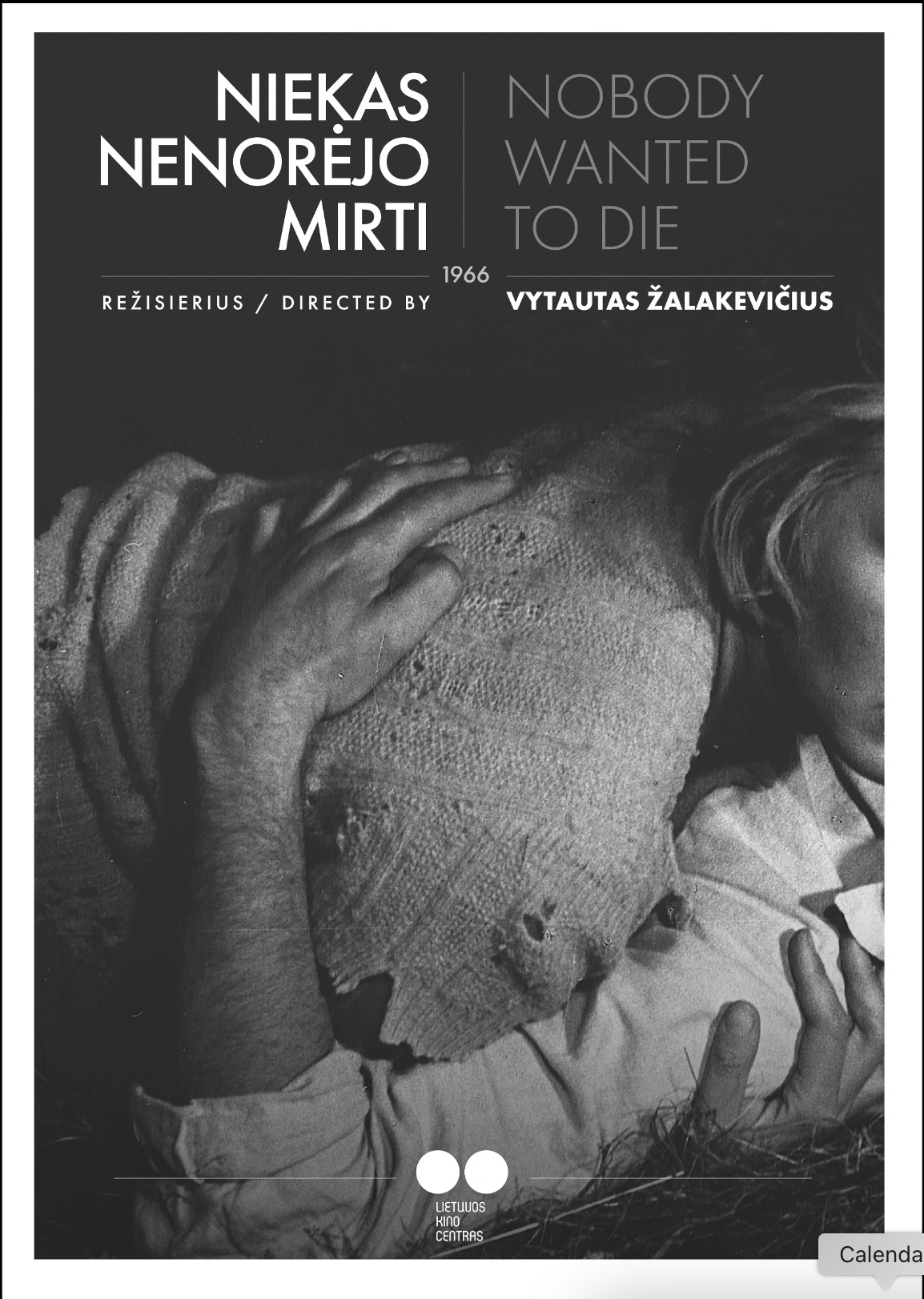
Set in the tumultuous period right after World War II, Nobody Wanted to Die (Niekas nenorėjo mirti) is often hailed as one of Lithuania’s greatest films. This gripping drama portrays a village torn between Soviet authorities and local partisans (resistance fighters). The tension builds as four brothers face moral dilemmas amid the post-war chaos. Despite being produced during Soviet times, the film subtly celebrates the Lithuanian spirit and longing for freedom. Its black-and-white cinematography and powerful performances draw you into a world where every choice is a matter of life and death. Watching this film feels like uncovering a piece of Lithuania’s soul – it’s both educational and emotionally stirring, a must-watch for anyone who wants to understand Lithuanian history and resilience.
Director: Vytautas Žalakevičius
Main Actors: Donatas Banionis, Juozas Budraitis, Regimantas Adomaitis
Production Studio: Lithuanian Film Studio
Cinematographer: Jonas Gricius
Music Composer: Vyacheslav Ganelin
Filming Locations: Lithuanian countryside (villages in Žemaitija region)
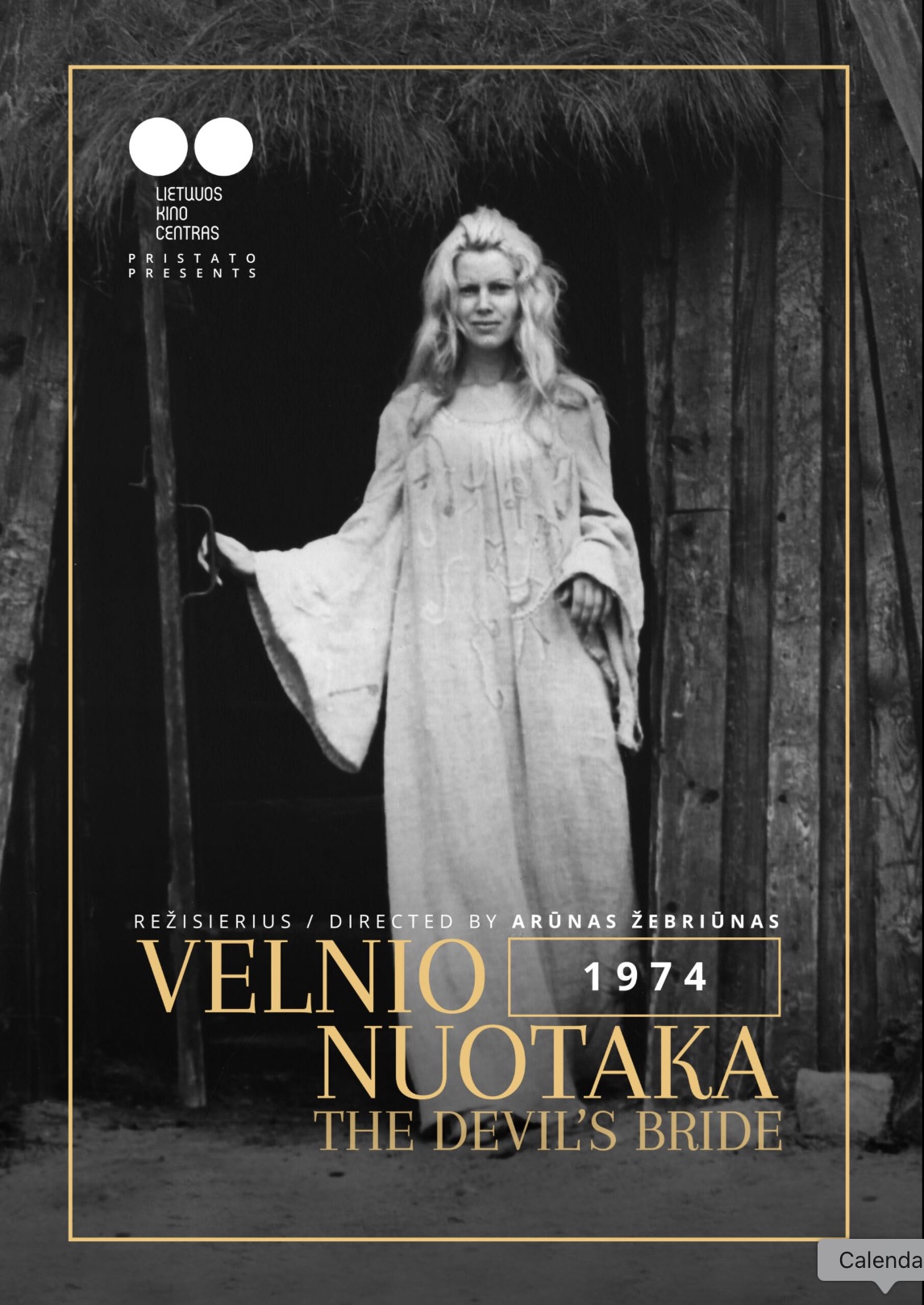
Devil’s Bride (Velnio nuotaka)
A beloved cult classic, Devil’s Bride is a quirky musical fantasy film that puts a Baltic twist on the age-old tale of good vs. evil. Set in a rustic village, it tells the story of a cheeky devil who comes to Earth and falls in love with a local girl. The movie is packed with folk music, mythological creatures, and whimsical humor. Imagine vibrant costumes, catchy Lithuanian songs, and a battle of wits between a crafty devil and villagers with hearts of gold. Director Arūnas Žebriūnas created a psychedelic 1970s fairy tale that remains hugely entertaining. Watching Devil’s Bride is just plain fun, and it also gives you a taste of Lithuanian folklore and musical traditions. Don’t worry if you don’t speak Lithuanian – the expressive acting and toe-tapping songs will cast a spell on you regardless!
Director: Arūnas Žebriūnas
Main Actors: Vaiva Mainelytė, Algirdas Latėnas, Juozas Rygertas
Production Studio: Lithuanian Film Studio
Cinematographer: Algimantas Mockus
Music Composer: Viačeslav Ganelin (blending rock with folk melodies)
Filming Locations: Kaunas Film Studio backlot; Rumšiškės open-air museum (village scenes)
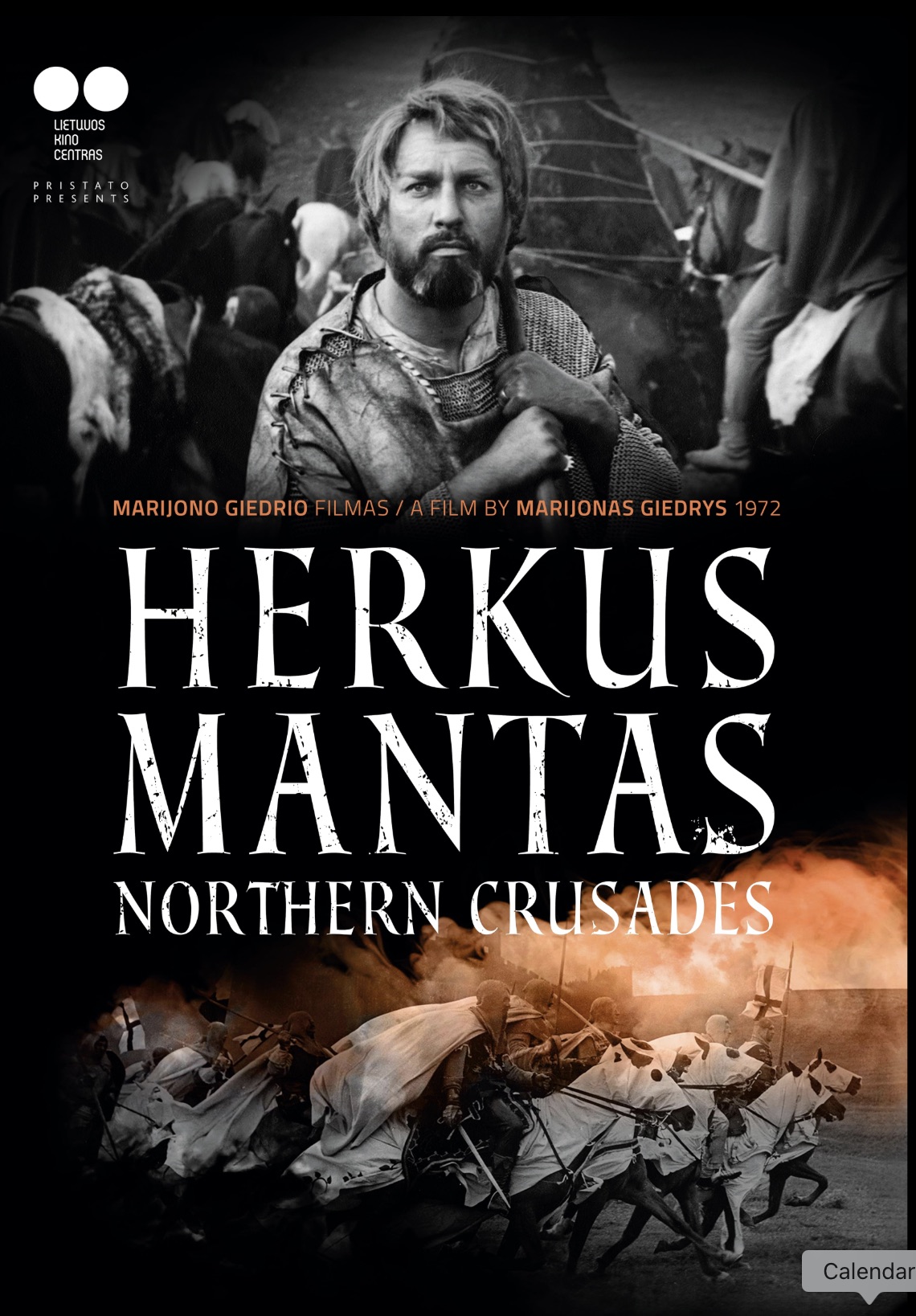
Herkus Mantas (also known as Northern Crusades)
If you love medieval epics, Herkus Mantas delivers in spades. This grand period drama brings to life the 13th-century Northern Crusades when Baltic tribes fought against the Teutonic Knights. Herkus Mantas is the Lithuanian hero of the Old Prussians – a chieftain who leads a valiant rebellion to defend his people. The film is based on his biography and depicts the brutal clash between pagan Baltic warriors and Christian crusaders. It’s filled with sweeping battle scenes, horsemen charging through forests, and the kind of old-school cinematic scale that makes you feel like you’re watching a Baltic Braveheart. Despite being over 50 years old, the movie’s themes of freedom and resistance still resonate. It’s an engaging history lesson wrapped in an action-packed drama – by the end, you might find yourself cheering “Už Lietuvą!” (For Lithuania!) along with the warriors on screen.
Director: Marijonas Giedrys
Main Actors: Antanas Šurna, Eugenija Pleškytė, Stasys Petronaitis
Production Studio: Lithuanian Film Studio
Cinematographer: Jonas Tomaševičius
Music Composer: Giedrius Kuprevičius
Filming Locations: Various locations in Lithuania (lush forests, Baltic coast)

Forest of the Gods (Dievų miškas)
A modern classic, Forest of the Gods is a powerful film based on the memoir by Balys Sruoga. It chronicles the true story of a Lithuanian professor (played by Valentinas Masalskis) who survives the horrors of a Nazi concentration camp only to be later imprisoned by the Soviets. Despite this grim premise, the film finds moments of dark humor and humanity amid tragedy. The title refers to the nickname of the concentration camp (“Forest of the Gods”), where intellectuals and freedom fighters were held. Director Algimantas Puipa doesn’t shy away from brutality but also shows the resilience and wit of prisoners determined to keep their spirits alive. This film is a heartfelt tribute to those who endured two oppressive regimes back-to-back – a uniquely Lithuanian experience. It’s emotionally intense but utterly rewarding, offering viewers insight into Lithuania’s indomitable spirit through one man’s incredible journey.
Director: Algimantas Puipa
Main Actors: Valentinas Masalskis, Liubomiras Laucevičius, Steven Berkoff
Production Companies: Studija 2, Lietuvos Kino Studija
Cinematographer: Algimantas Mikutėnas
Music Composer: Kipras Mašanauskas
Filming Locations: Vilnius and Kaunas, Lithuania (with scenes in historic forts and prisons)

The Children from the Hotel America (Vaikai iš Amerikos viešbučio)
Set in Soviet-occupied Lithuania in the 1970s, this film follows teens who find freedom and rebellion through rock ’n’ roll. They secretly listen to banned Western radio (dubbing their hideout “Hotel America”) and dream of life beyond the Iron Curtain. The Children from the Hotel America combines youthful nostalgia with the tense atmosphere of life under Soviet rule. It’s a bit like Footloose, but behind the Iron Curtain – expect illicit dance parties in basements, the Beatles played in whispers, and KGB agents lurking around the corner. The coming-of-age story is heartfelt and humorous, as the teens bond over music and first loves while defying an oppressive system. By the end, you’ll be rooting for these kids and humming Lithuanian rock tunes. This movie offers a charming glimpse of daily life and youthful defiance in 1970s Lithuania.
Director: Raimundas Banionis
Main Actors: Augustas Savickas, Virginija Kelmelytė, Šarūnas Bartas (yes, the famous director in an acting role!)
Production: Lithuanian Film Studio
Cinematographer: Algimantas Mikutėnas
Music: Soundtrack features 1970s rock and original songs by Kęstutis Antanėlis
Filming Locations: Vilnius, Lithuania (with authentic Soviet-era set pieces)
Lithuanian Culture on Screen

A darkly comic drama that reveals the underbelly of contemporary Lithuanian life, The Gambler is as gripping as it is thought-provoking. Vincentas (Vytautas Kaniušonis) is a paramedic in Vilnius who’s brilliant at saving lives but drowning in personal debt. His vice? Gambling. To get out of a financial hole, he starts an illicit betting ring on when patients in his ambulance will die. Morbid? Yes. But this bold premise is used to explore larger social issues: a strained healthcare system, economic desperation, and the moral gray zones people navigate in post-Soviet Lithuania. Despite the heavy themes, the film has a sly humor and keeps you on the edge of your seat – you might find yourself nervously chuckling one moment and gasping the next. The Gambler offers a raw, unfiltered look at life in modern Lithuania. It’s a reminder that sometimes reality is stranger (and darker) than fiction, but it’s delivered with such style and honesty that you can’t look away.
Director: Ignas Jonynas
Main Actors: Vytautas Kaniušonis, Oona Mekas
Production Companies: Uljana Kim Studios, Studio Uljana Kim
Cinematographer: Audrius Kemežys
Music Composer: Kipras Mašanauskas
Filming Locations: Vilnius, Lithuania (ambulance scenes shot on real city streets)
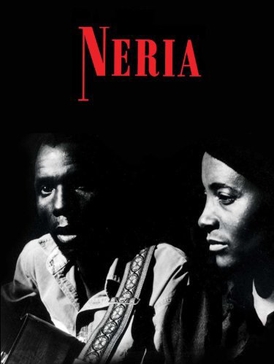
The Saint (Šventasis)
Set in a small Lithuanian town during the 2008 financial crisis, The Saint is a dramedy that captures the hopes and absurdities of everyday life. Vytas (Marius Repšys) loses his job at a bank and struggles to find meaning. When a rumor spreads that someone videotaped Jesus Christ walking through town, Vytas becomes oddly determined to find this “messiah” video, believing it might give his life purpose. Along the way, he befriends a quirky inventor and rekindles a connection with a past love. This film is a gentle, humorous portrait of Lithuania’s working-class struggles and dreams. It showcases the country’s dry wit – finding comedy in hardship – and the warmth of its close-knit communities. The Saint feels like chatting with an old friend over a beer: it’s honest, a bit bittersweet, but leaves you feeling oddly uplifted. It’s an excellent peek into the everyday Lithuanian mindset during hard times.
Director: Andrius Blaževičius
Main Actors: Marius Repšys, Aistė Diržiūtė, Valerija Oginskaitė
Production Company: M-films
Cinematographer: Narvydas Naujalis
Music Composer: Kipras Mašanauskas
Filming Locations: Kėdainiai, Lithuania (a quintessential provincial town setting)

The Summer of Sangaile (Sangailės vasara)
This visually stunning coming-of-age film put modern Lithuanian cinema on the international map by winning an award at Sundance. The Summer of Sangaile follows a 17-year-old girl, Sangaile (Julija Steponaitytė), who dreams of becoming a stunt pilot but is hampered by her fear of heights. Spending a summer at a lakeside aerodrome, she meets Auste (Aistė Diržiūtė), a free-spirited local girl. The two young women form a deep bond that blossoms into first love. What makes this film special is its lyrical portrayal of teenage emotions – the thrills, the insecurities, the intoxicating freedom of summer. Director Alantė Kavaïtė uses Lithuania’s gorgeous scenery (think sunsets over lakes and fields of wildflowers) as a backdrop for Sangaile’s journey of self-discovery. It’s an intimate look at Lithuanian youth that feels universal. If you’re into an arthouse romance with beautiful cinematography, buckle up for this one – it soars.
Director: Alantė Kavaïtė
Main Actors: Julija Steponaitytė, Aistė Diržiūtė
Production Companies: Fralita Films, Les Films d’Antoine (Lithuania/France)
Cinematographer: Dominique Colin
Music Composer: Jean-Benoît Dunckel
Filming Locations: Trakai region, Lithuania (lush countryside and an airfield)
Historical Lithuanian Movies
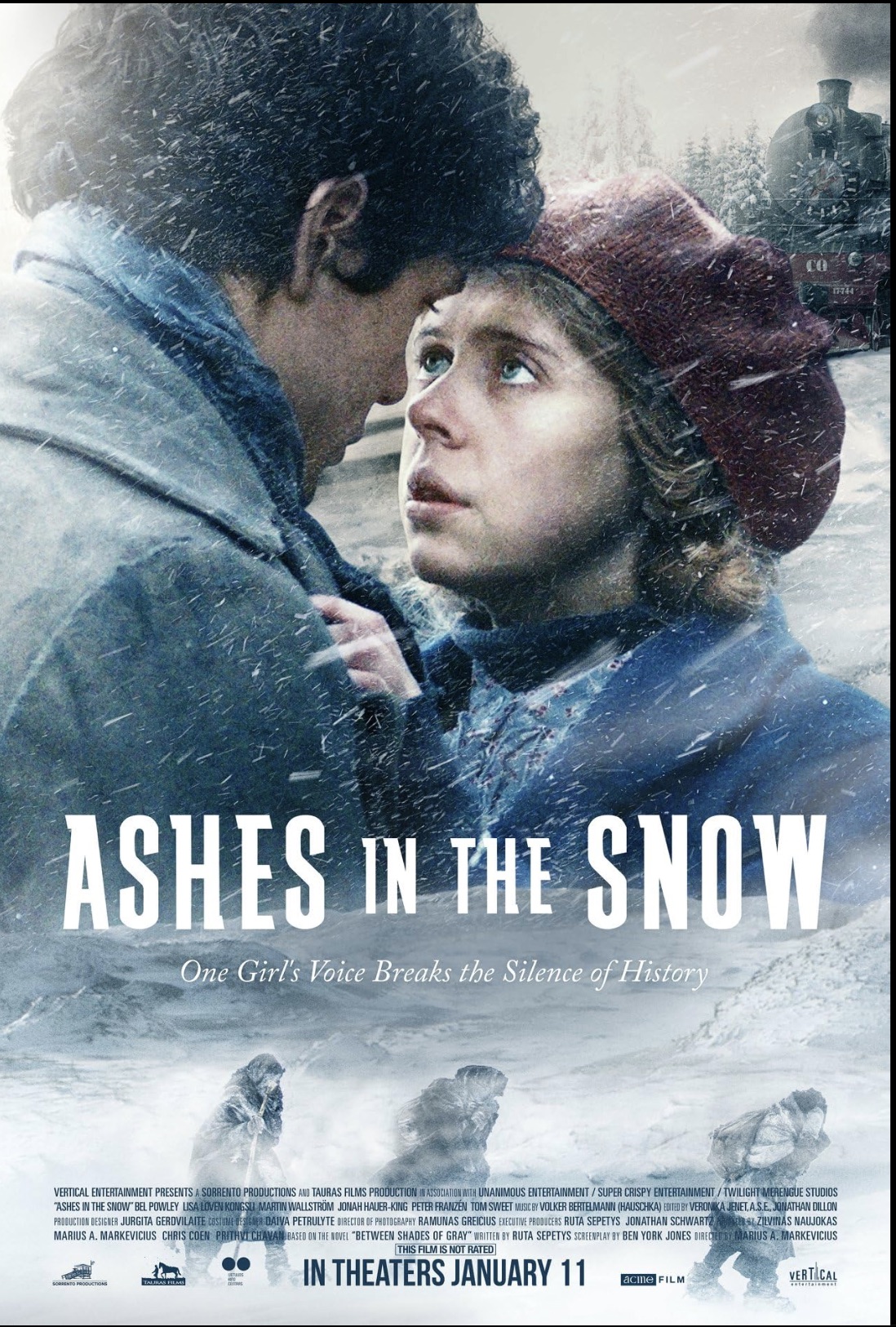
Based on the best-selling novel Between Shades of Gray by Rūta Sepetys, Ashes in the Snow is a poignant portrayal of a dark chapter in Lithuanian history. The film is set in 1941 and follows Lina (Bel Powley), a 16-year-old aspiring artist deported with her mother and brother to a Siberian gulag (labor camp) during Stalin’s mass deportations of the Baltic people. As Lina uses her art to document the atrocities around her, we witness the resilience and hope that endure amid despair. Filmed partly in Lithuania, the movie’s snowy landscapes and cramped train cars feel hauntingly real. This is a Lithuania-Hollywood collaboration (dialogue is in English), which makes it accessible to wider audiences. It’s a heavy but important watch, shedding light on the suffering and strength of Lithuanians exiled to Siberia. Keep tissues handy – Lina’s story of courage and the kindness of strangers in the face of cruelty is deeply moving.
Director: Marius A. Markevičius
Main Actors: Bel Powley, Martin Wallström, Lisa Loven Kongsli
Production Companies: Sorrento Productions, Tauras Films (Lithuania-U.S. co-production)
Cinematographer: Ramunas Greicius
Music Composer: Grygorii Galantny
Filming Locations: Vilnius, Lithuania; Kaunas, Lithuania; and Estonia (standing in for Siberia)

Emilia: Breaking Free (Emilija iš Laisvės alėjos)
Set in 1972 in Kaunas, Emilia tells the story of a young aspiring actress who becomes entangled in the underground resistance against Soviet rule. The film’s backdrop is the real historical event of the 1972 self-immolation of Romas Kalanta (a young man who burned himself in protest of the Soviet regime), which sparked youth riots in Kaunas. Against this tense setting, Emilia (Ieva Andrejevaitė) must decide between a promising theater career (with all its Soviet-era compromises) and speaking out for freedom. The film has the feel of a spy thriller at times – shadowy KGB agents, secret meetings, forbidden love – mixed with the earnest passion of youth fighting for justice. It vividly recreates the 1970s with authentic costumes and set designs (you’ll see the iconic Laisvės Alėja – Freedom Avenue – of Kaunas bustling with period cars and propaganda posters). Emilia: Breaking Free is both a personal coming-of-age tale and a portrait of a nation’s awakening dissent. It’s inspirational and gives you a taste of the courage it took to stand up in Soviet Lithuania.
Director: Donatas Ulvydas
Main Actors: Ieva Andrejevaitė, Darius Meškauskas, Vytautas Kaniušonis
Production Company: Uljanos Kim Studios
Cinematographer: Rolandas Leonavičius
Music Composer: Paulius Trijonis
Filming Locations: Kaunas, Lithuania (shot on location at actual historical sites)

The Excursionist (Ekskursantė)
This incredible film is inspired by a true story and will keep you glued to the screen. The Excursionist follows a 10-year-old Lithuanian girl named Marija who escapes from a Soviet deportation train headed to the gulag and embarks on a 2,000-kilometer journey back home to Lithuania – all alone! It’s 1948, and Lithuania is under Stalin’s terror, which makes Marija’s solo odyssey across forests, rivers, and foreign lands all the more astonishing. Along the way, she must outsmart soldiers, fend off hunger, and rely on the kindness of strangers (some who don’t even speak her language). The film is both a suspenseful adventure and a heartfelt drama. You’ll find yourself holding your breath as little Marija sneaks past checkpoints or hides in haystacks. Actress Anastasija Marcenkaitė delivers a powerful performance for someone so young. By the end, you’ll likely be teary-eyed and filled with admiration for the sheer willpower depicted. The Excursionist shines a light on the lesser-known plight of Baltic deportees and proves that sometimes truth is more compelling than fiction.
Director: Audrius Juzėnas
Main Actors: Anastasija Marcenkaitė, Igor Savochkin, Kseniya Rappoport
Production Company: CineMark
Cinematographer: Ridas Joniškis
Music Composer: Modestas Musorgskis (and historical folk songs)
Filming Locations: Lithuania, Latvia, and Russia (on actual sections of the former gulag route)
Movies Set in Lithuania (International Films)
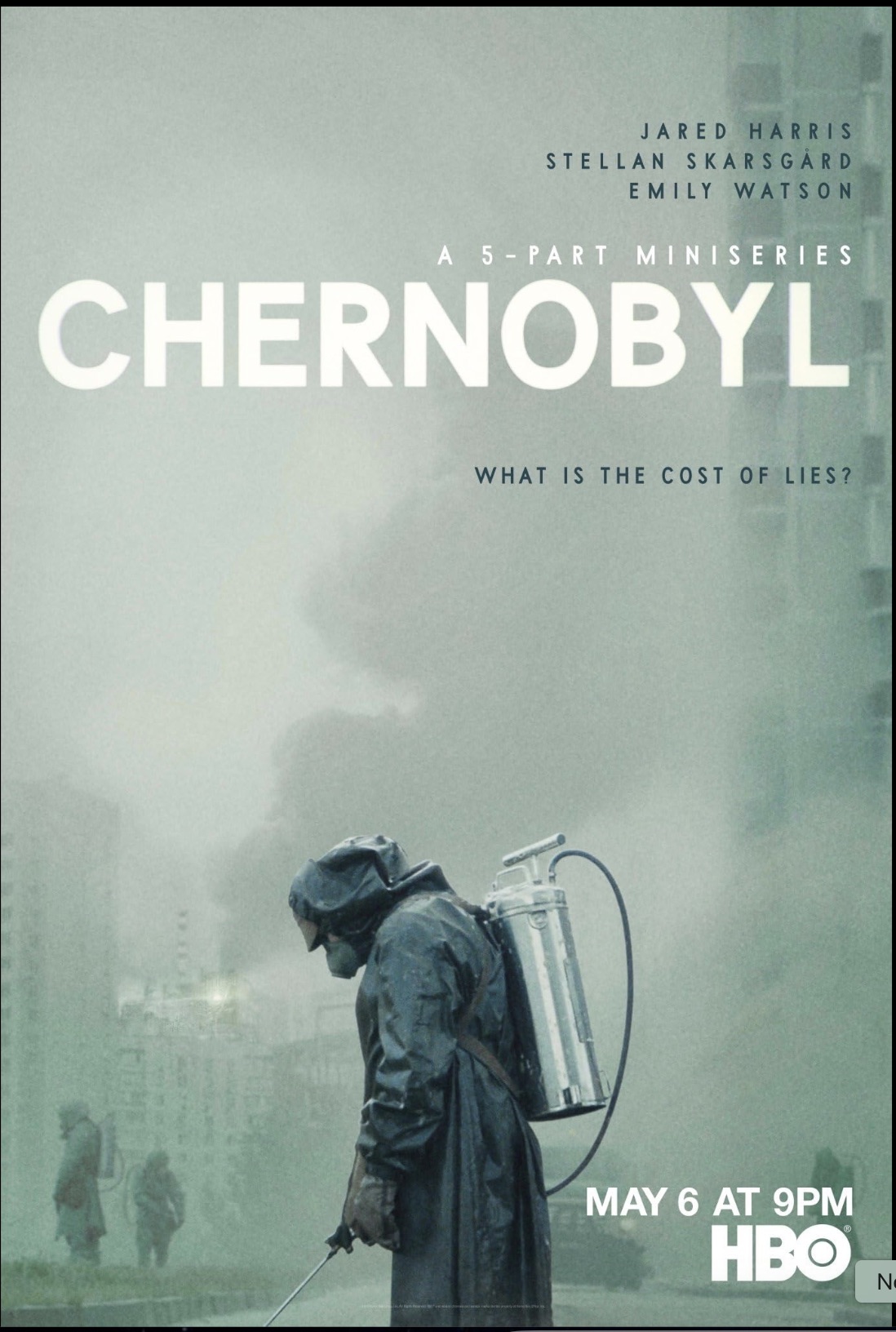
Chernobyl – HBO Miniseries (2019)
A critically acclaimed 5-part series that dramatizes the 1986 Chernobyl nuclear disaster. While set in Ukraine, many key scenes were filmed in Lithuania – most prominently at the Ignalina Nuclear Power Plant, a decommissioned facility with a similar design to Chernobyl’s reactor. Vilnius itself stood in for parts of Moscow and Ukraine in the series. The harrowing evacuation scenes of Pripyat? It is filmed in Fabijoniškės, a residential district of Vilnius that still has a Soviet-era look. Chernobyl’s success put Lithuania on the map for film tourism – after it aired, curious visitors flocked to tour the Ignalina plant and other locations. Beyond its filming trivia, the series is a masterpiece of tension and realism. It’s a must-watch and offers an unexpected way to see Lithuanian locales doubling as the Soviet Union.
Director: Craig Mazin
Main Actors: Jessie Buckley, Jared Harris, Stellan Skarsgård
Production Company: Home Box Office (HBO)
Cinematographer: Jakob Ihre
Music Composer: Hildur Guðnadóttir
Filming Locations: Vilnius, Lithuania
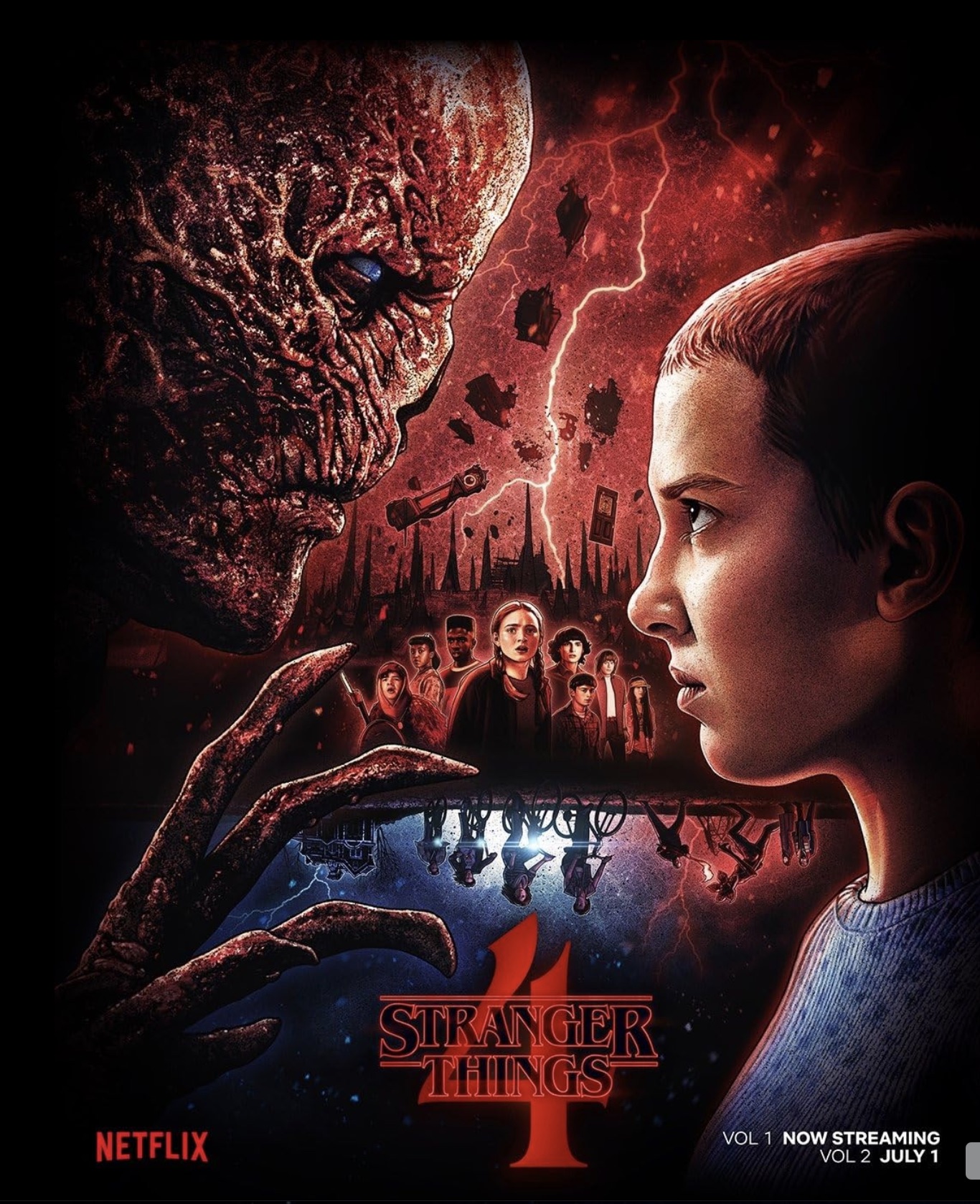
Stranger Things – Netflix Series
This blockbuster sci-fi/horror series about supernatural happenings in 1980s Indiana took an unexpected detour to Lithuania in its fourth season. Without giving away too many spoilers, scenes set in a Soviet prison were filmed at Lukiškės Prison in Vilnius. The prison, a real 19th-century facility, was transformed into a Kamchatka gulag where series favorite Jim Hopper is held captive. The snow, the Demogorgon battles, the grim concrete courtyards – that’s all Lithuania bringing the “Upside Down” to life! The contrast of a small American town storyline with secret Soviet labs was a fun twist, and Vilnius provided an authentic backdrop for the Cold War vibes. Since airing, Stranger Things fans have visited Lukiškės (now a cultural hub offering tours) to stand in Hopper’s footsteps. It’s a cool example of how a Lithuanian location became part of one of the world’s most popular shows.
Director: Matt Duffer, Ross Duffer
Main Actors: Millie Bobby Brown, Finn Wolfhard, Winona Ryder
Production Company: Netflix, 21 Laps Entertainment
Cinematographer: DP Caleb Heymann
Music Composer: Kyle Dixon, Michael Stein
Filming Locations: Vilnius, Lithuania (Season 4, 2022)
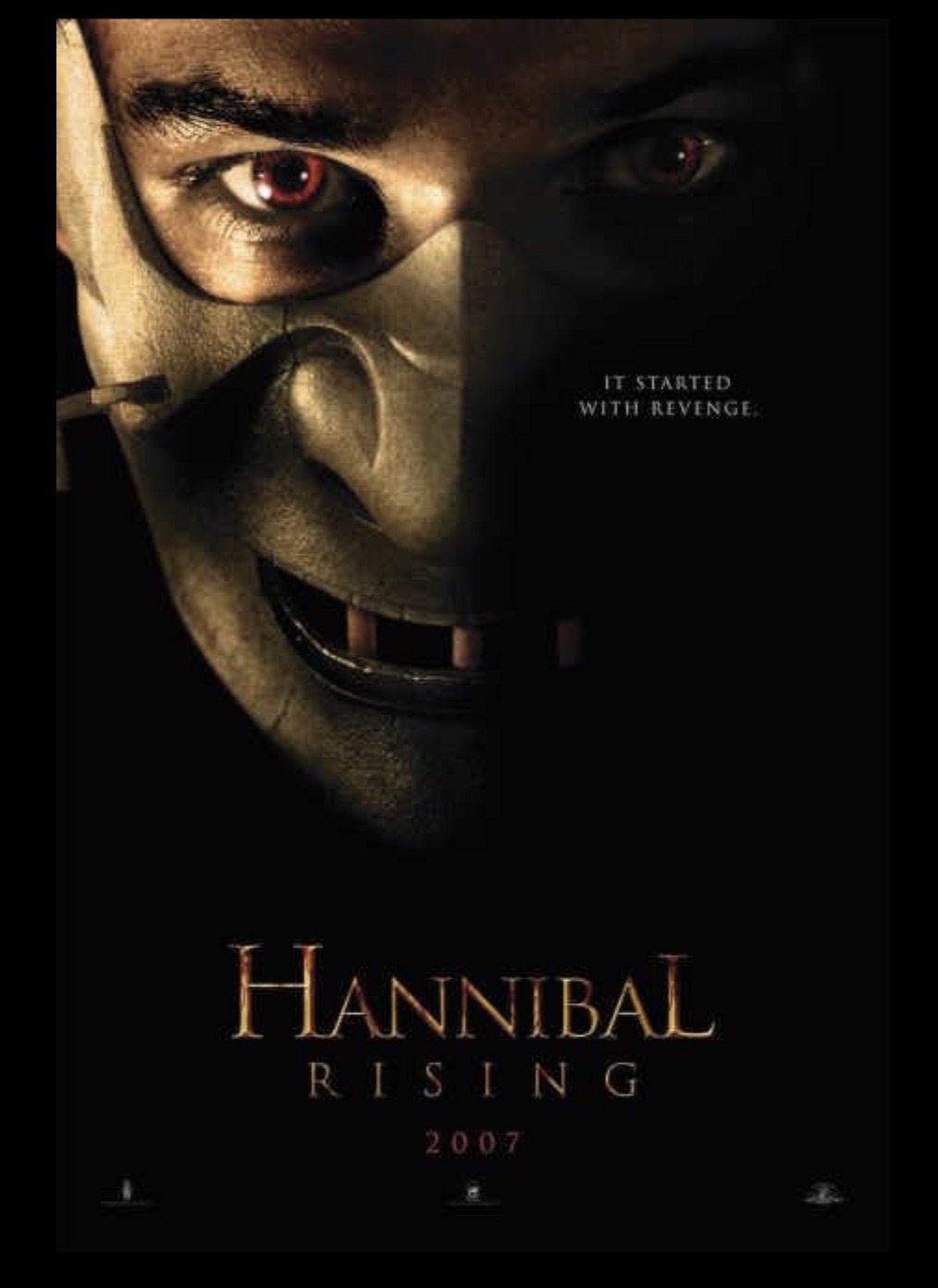
Hannibal Rising (2007)
This thriller is the origin story of the infamous fictional cannibal Dr. Hannibal Lecter – and it begins in Lecter’s childhood home in Lithuania. The film’s opening act is set in 1940s Lecter Castle, where young Hannibal endures trauma during World War II. These early scenes were filmed in locations in Lithuania (as well as the Czech Republic), lending an authentic Eastern European feel. Snowy forests, an eerie old manor, and war-torn villages set a chilling tone. As the story moves to Paris and beyond, the Lithuanian chapter remains a haunting prologue explaining how Hannibal “the Cannibal” came to be. For viewers, it’s interesting to note that the character Hannibal Lecter is written as Lithuanian nobility – a nod to the country’s sometimes gothic, aristocratic history. While Hannibal Rising is not the strongest entry in the Hannibal franchise, it offers a rare Hollywood depiction of Lithuania (even if a dark and fictionalized one). Plus, those castle ruins and misty woods in the film? You can visit similar sites in Lithuania and feel like you’re in a horror thriller yourself!
Filming locations in LT: The film was shot in various locations, including the Czech Republic, France, and Lithuania. The filmmakers used the old Trakai Castle area and countryside manors as substitutes for Lecter’s estate. Notably, the Château de Kost in the Czech Republic served as the Lecter family’s residence.
Director: Peter Webber
Main Actors: Gaspard Ulliel, Rhys Ifans, Gong Li
Production Company: Dino De Laurentiis Company
Cinematographer: Ben Davis
Music Composer: Ilan Eshker, Shigeru Umebayashi
Filming Locations: Trakai Castle, Lithuania
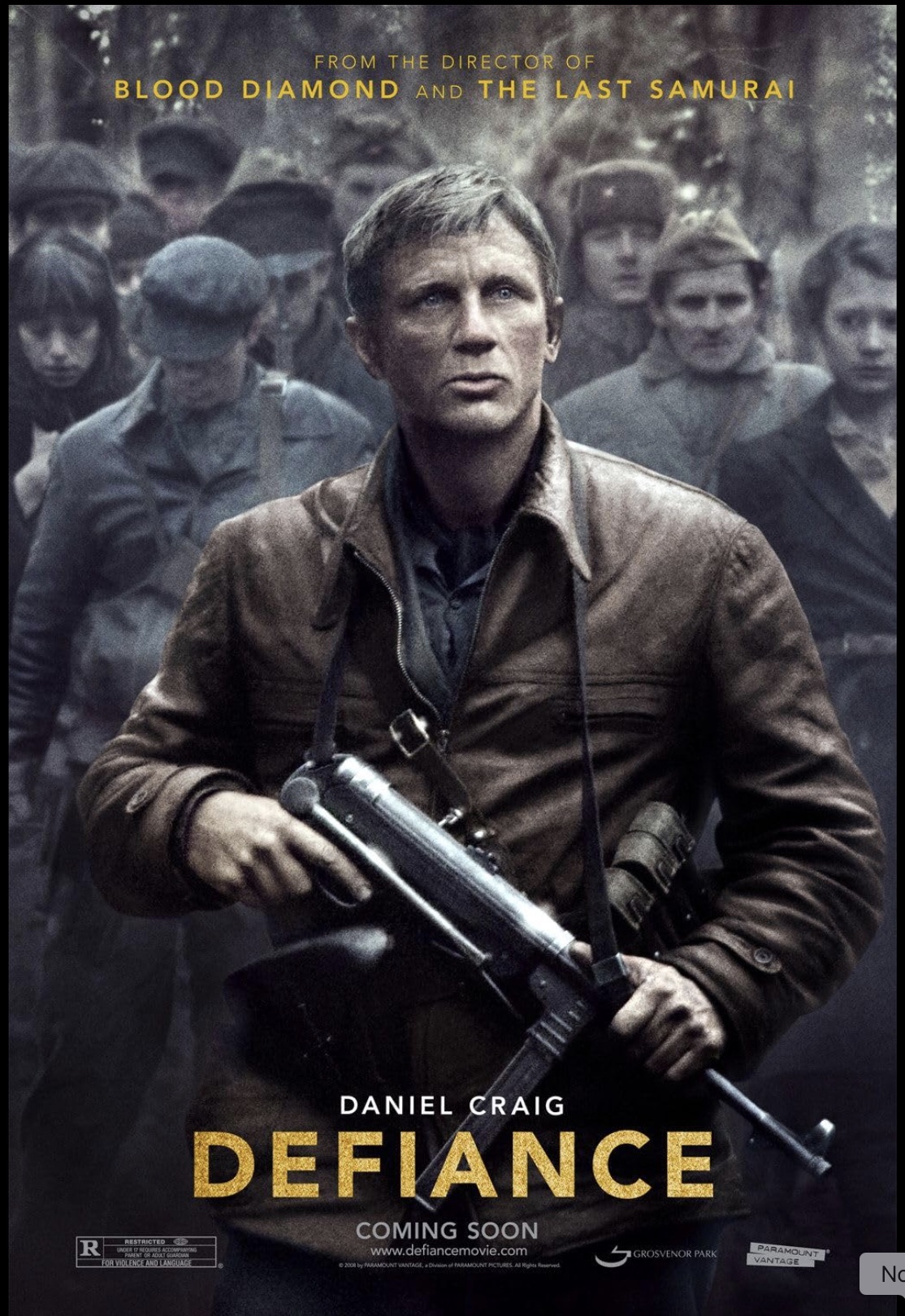
Starring Daniel Craig and Liev Schreiber, Defiance is a WWII action-drama about Jewish partisans surviving in the Belarusian forests. The twist is that it was filmed entirely in Lithuania’s forests, which closely resemble those of Belarus. The filmmakers chose Lithuania for its unspoiled woodlands and because it was logistically easier to shoot there. So when you watch the Bielski brothers build a secret village in the woods and ambush Nazi patrols, you’re actually seeing the lush forests around Vilnius. The movie’s snowy battles and forest hideouts give you a sense of Lithuania’s natural beauty – dense pine forests, marshy terrain, and winter vistas. For history buffs, Defiance is interesting because it tells a true story of resistance. For Lithuania, it paved the way for more big-budget productions to see the country as a prime filming location. If you’re hiking in Lithuania’s national parks, you might just recognize a spot where James Bond (er, Daniel Craig) once fought on-screen Nazis!
Filming locations in LT: The Naliboki Forest scenes were shot in forests near Vilnius and Kaunas. Winter scenes were supported by the Lithuanian army, which provided period-appropriate environments.
Director: Edward Zwick
Main Actors: Daniel Craig, Liev Schreiber, Jamie Bell
Production Company: Paramount Vantage, Bedford Falls Productions
Cinematographer: Eduardo Serra
Music Composer: James Newton Howard
Filming Locations: Vilnius, Kaunas
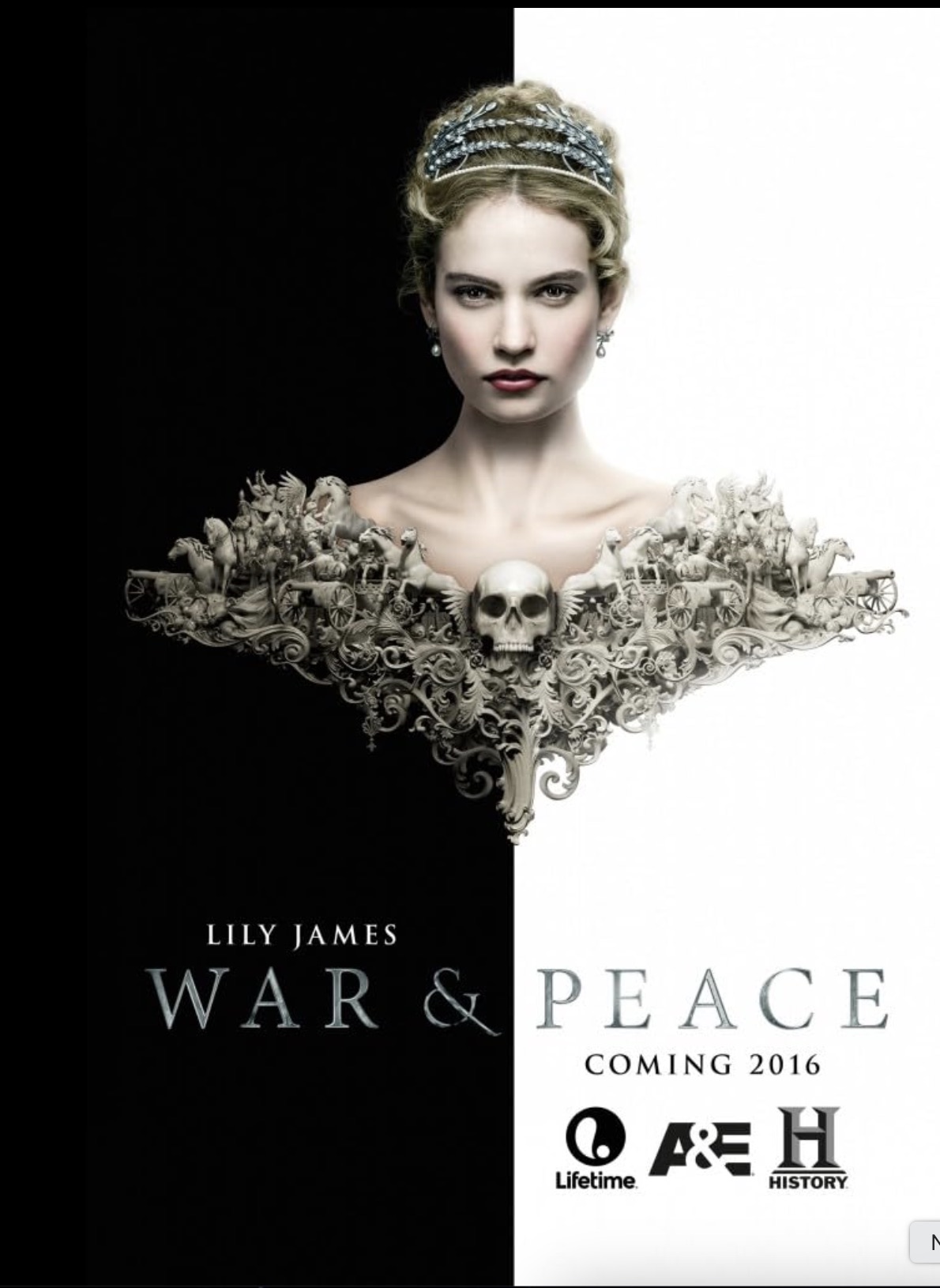
War and Peace – BBC/Lifetime Miniseries (2016)
Leo Tolstoy’s epic novel War and Peace might be set in Russia, but the 2016 television adaptation found an ideal stand-in: Lithuania. Many imperial Russian settings – palaces, manors, battlefields – were filmed here. For example, the majestic Rundale Palace (just across the Lithuanian border in Latvia) and Vilnius University’s old buildings doubled as St. Petersburg salons. The lush countryside of Lithuania set the scene for Napoleon’s invasion of Russia. The production took advantage of the region’s 19th-century architecture and wide plains without the modern clutter. Why does this matter for a traveler? It means Lithuania (and the Baltics) can transport you to the era of czars and countesses. The series is sumptuous, with grand ball scenes, snowy military camps, and duels at dawn – and a lot of that atmosphere comes from the filming locations. Watching War and Peace, you not only get wrapped up in a classic story, but you also inadvertently tour some of Lithuania’s most picturesque spots, making it a visual treat.
Filming locations in LT: Vilnius’ Old Town streets (cobblestoned Bernardinai Street) became 1812 Moscow. Pakruojis Manor in northern Lithuania served as a Russian country estate. Battle scenes were staged on Lithuanian fields using local reenactors.
Director: Tom Harper
Main Actors: Paul Dano, Lily James, James Norton
Production Company: BBC Cymru Wales, The Weinstein Company, Lookout Point, BBC Worldwide
Cinematographer: George Steel
Music Composer: Martin Phipps
Filming Locations: Vilnius University’s old buildings
FAQs about Lithuanian Movies and Cinematography
What language are Lithuanian films in? Are they available with English subtitles?
The primary language of almost all Lithuanian films is Lithuanian. In movies made during the Soviet era, you’ll also hear a bit of Russian, but Lithuanian dominates in local cinema. Fortunately, many top Lithuanian films have English subtitles available for international audiences – especially those that have been restored or released on DVD/streaming by the Lithuanian Film Centre. Modern Lithuanian movies often hit international festivals, so they come with subtitles in multiple languages. If browsing IMDb or a DVD, look for “subtitles: English” in the info. The good news is that several Lithuanian films are on platforms like Amazon Prime or arthouse streaming services with subtitles. So yes, don’t let the language barrier stop you – you can enjoy Lithuanian movies with subtitles.
What makes Lithuanian cinema unique?
Lithuanian cinema is unique for its blend of poetic storytelling and historical insight. During the 1960s, Lithuanian filmmakers (like Vytautas Žalakevičius) were known for using metaphors and lush visuals to get around Soviet censors – creating a kind of “poetic cinema” that’s beautiful to watch and loaded with subtext. There’s also a strong tradition of documentary filmmaking; even today, Lithuanian documentaries often win awards for their creative approach to real events. Because of the country’s history, many films deal with themes of identity, resistance, and survival – but often in a humanistic, character-driven way rather than big Hollywood-style battles. Modern Lithuanian films can be very innovative: some are super gritty and realistic, while others embrace absurdist or dark humor (a very Baltic trait!). And let’s not forget animation – Lithuania has contributed significantly there, too. Lithuanian cinema might not be as famous as French or Japanese cinema, but it has a distinct voice – intimate, resilient, and often surprisingly humorous, even in darkness.
Are there any famous Lithuanian film directors or actors internationally?
One of the most internationally renowned Lithuanian-born filmmakers is Jonas Mekas. Though he made his name in the New York avant-garde scene, he’s originally from Lithuania and is legendary in film circles. Regarding feature film directors, Šarūnas Bartas is a name art-house fans know; he’s a critically acclaimed director whose films (like Few of Us, In the Dust) have screened at Cannes. Actor-wise, Donatas Banionis was a Soviet-era Lithuanian actor who starred in Tarkovsky’s classic Solaris (1972) and was quite famous across Eastern Europe. More recently, actress Aistė Diržiūtė got international attention for The Summer of Sangaile (she was even named a Berlinale Shooting Star). You might occasionally spot Lithuanian-American actors in Hollywood, such as Ruta Lee (classic Hollywood era) or Laurence Harvey (born in Lithuania). While not mainstream household names, Lithuanians have made their mark in cinema. Plus, with more international productions filming in Lithuania, you’ll see local actors popping up in global shows (like a Lithuanian actor portraying a Russian guard in Chornobyl, etc.). The talent is there – and growing!
What is the Lithuanian Film Centre, and what does it do?
The Lithuanian Film Centre (Lietuvos kino centras) is a government-backed institution that supports and promotes Lithuanian filmmaking. Think of it as Lithuania’s version of the British Film Institute or France’s CNC. They fund new film productions, restore and digitize classic Lithuanian films (so new generations can see gems from the 1960s in HD), and represent Lithuania in international film markets. If you see a great restored version of a classic like The Living Heroes (Gyvieji didvyriai, 1959), that’s likely thanks to the Film Centre’s work. They also run educational programs, support film festivals, and maintain archives. For a movie fan, the Lithuanian Film Centre’s website is a treasure trove – with catalogs of films, information on where to watch them, and news on upcoming projects. Essentially, they’re the cheerleaders and guardians of Lithuanian cinema, ensuring the industry thrives, and audiences at home and abroad can enjoy Lithuanian films.
How Lithuanian Cinema Influences Tourism
Films can spark wanderlust, and Lithuanian cinema is no exception. In recent years, Lithuania has seen a boom in “set-jetting” – travelers visiting locations after seeing them on screen.
One big example is HBO’s Chernobyl. Even though the story is about Ukraine, the series was filmed mainly in Lithuania, as mentioned. After the show’s popularity, tourism to the Ignalina Nuclear Power Plant (which stood in for Chernobyl’s reactor) skyrocketed—tickets for tours sold out months in advance, with over 4,000 visitors touring Ignalina in 2019 alone. Groups of foreign visitors can now tour the filming locations such as Ignalina’s control room – a once-in-a-lifetime “atomic tourism” experience. The city of Vilnius even offers guided tours of other Chernobyl filming sites, capitalizing on the show’s success.
Thanks to Netflix and BBC productions, Vilnius has also become a hot spot. After Young Wallander (a show set in Sweden but filmed in Vilnius) came out, the Vilnius tourism board launched a special walking tour tracing the show’s locations. Fans can stroll the streets that “played” Malmö and see how Vilnius’s mix of modern and historic architecture can mimic Western Europe. Similarly, when Stranger Things 4 featured Lukiškės Prison, curious travelers added the former prison to their Vilnius itineraries – it now hosts events and tours, doubling as a cultural venue.
Every time Lithuania appears on-screen – be it in a gritty drama or a Netflix hit – it piques curiosity. The film industry has become a calling card for tourism. Visitors come to Lithuania not only for its medieval Old Towns and nature but also to walk in the footsteps of their favorite characters. The country has embraced this trend, often promoting filming locations on tourism websites and even hosting an annual Vilnius Film Festival that attracts international guests. It’s a win-win: filmmakers get great locations, and viewers get inspired to experience Lithuania in real life, already feeling a connection through film.
(As a fun fact, Vilnius’ tagline in recent tourism campaigns was “Vilnius: the G-spot of Europe, nobody knows where it is, but when you find it – it’s amazing.” Films and shows help people “find” Vilnius and Lithuania, putting this Baltic gem on the map!)
Selection Criteria: How I Picked the Best Movies and Documentaries about Lithuania
In creating this list, I carefully selected movies, documentaries, and animated films that offer a deep, immersive look at Lithuania’s history, culture, landscapes, and cinematic achievements. Here’s what guided my choices:
- Cultural Authenticity: I prioritized films that authentically capture Lithuanian traditions, daily life, and societal norms. Whether through folklore, historical dramas, or contemporary storytelling, these films showcase Lithuania’s heart.
- Historical Accuracy: Lithuania has a rich and complex past, from medieval battles against the Teutonic Knights to life under Soviet rule. I included films that offer accurate and insightful portrayals of significant historical moments, ensuring a compelling and educational experience.
- Scenic Landscapes and Architecture: Lithuania’s breathtaking landscapes, from dense forests and rolling hills to medieval old towns and iconic landmarks, often serve as cinematic backdrops. The selected films highlight Lithuania’s natural and architectural beauty, making them visually captivating.
- Critical and Audience Reception: I considered reviews from reputable sources, including IMDb, film festivals, and Lithuanian cinema enthusiasts. Films with strong critical acclaim or a devoted following were preferred.
- Filmed in Lithuania: Many international productions have used Lithuania as a filming location, taking advantage of its well-preserved historical sites and diverse settings. I included films that authentically represent the country or use its landscapes creatively in storytelling.
Applying these criteria, I’ve curated a diverse selection of Lithuanian films that entertain, educate, and deepen appreciation for the country’s history, culture, and cinematic legacy. Whether you’re a film enthusiast, a traveler, or simply curious about Lithuania, these movies and documentaries will offer an engaging and enriching experience.
Resources:
