
Things to Do in Amalfi: My Day in Italy’s Most Beautiful Coastal Town
I arrived in Amalfi on November 14th already exhausted from the journey—train from Naples to Salerno, then the winding SITA bus ride along those clifftop roads that make you simultaneously terrified and awestruck. I checked into Hotel Fontana tired and wondering if the Amalfi Coast deserved all the fuss everyone makes about it.
Then I woke up at 6:30 AM the next morning.
I stepped outside to catch the sunrise, and suddenly every Instagram photo, every travel blogger’s enthusiasm, every “you have to see Amalfi” recommendation made complete sense. The early morning light hit the pastel buildings stacked up the cliffside, the Mediterranean stretched out in shades of pink and gold, and the town was so quiet I could hear the waves from the beach below.
After the sunrise, I went back to my hotel’s small balcony, where I could see the sea, took a proper shower, and had breakfast while watching the town wake up. By 9 AM, I was ready to explore what Amalfi had to offer beyond that perfect sunrise moment.
Here’s what I discovered in my few hours there, plus what I learned from locals and fellow travelers I met along the way—including some cyclists who’d pedaled in from neighboring towns just to see the cathedral.
Absolutely yes, but with realistic expectations.
Amalfi is smaller than you think—you can walk the entire historic center in 20 minutes. It’s also more touristy than the romantic photos suggest, especially during summer when cruise ships dock and tour buses queue up along the coast road. But here’s the thing: Amalfi earned its UNESCO World Heritage status for good reason. This was once a powerful maritime republic that rivaled Venice and Genoa. That history is everywhere—in the cathedral that dominates the main square, in the paper mills hidden in the valley, in the arsenal where medieval ships were built.
Skip Amalfi if: You need pristine, spacious beaches (the main beach is tiny and packed), you hate crowds (summer is brutal), or you’re looking for a peaceful, undiscovered gem (that ship sailed decades ago).
Budget reality: I spent around €30-40 for the day beyond accommodation—€4 for the cathedral, €12.30 for the bus ticket to Positano, plus food and drinks. You can do it cheaper if you skip paid attractions and bring picnic supplies, but Amalfi isn’t the budget-friendly option some guides claim.

Must-See Attractions in Amalfi
Here’s what actually deserves your limited time:
- Amalfi Cathedral (Duomo di Sant’Andrea) – The Arab-Norman architectural masterpiece that dominates the main square
- Cloister of Paradise – The stunning 13th-century cloister attached to the cathedral
- Valle dei Mulini (Valley of the Mills) – The nature walk that follows the ancient paper mill stream
- Museo della Carta (Paper Museum) – Working paper mill demonstrating centuries-old techniques
- Spiaggia Grande – The main beach (small but atmospheric)
- Piazza Duomo – The heart of town life, perfect for people-watching
- Via Lorenzo d’Amalfi – The main pedestrian street packed with shops and cafes
- Arsenal of the Republic – Medieval shipyard showcasing maritime history
- Villa Rufolo viewpoint – Panoramic coastal views (short walk uphill)
Historical Places and Landmarks
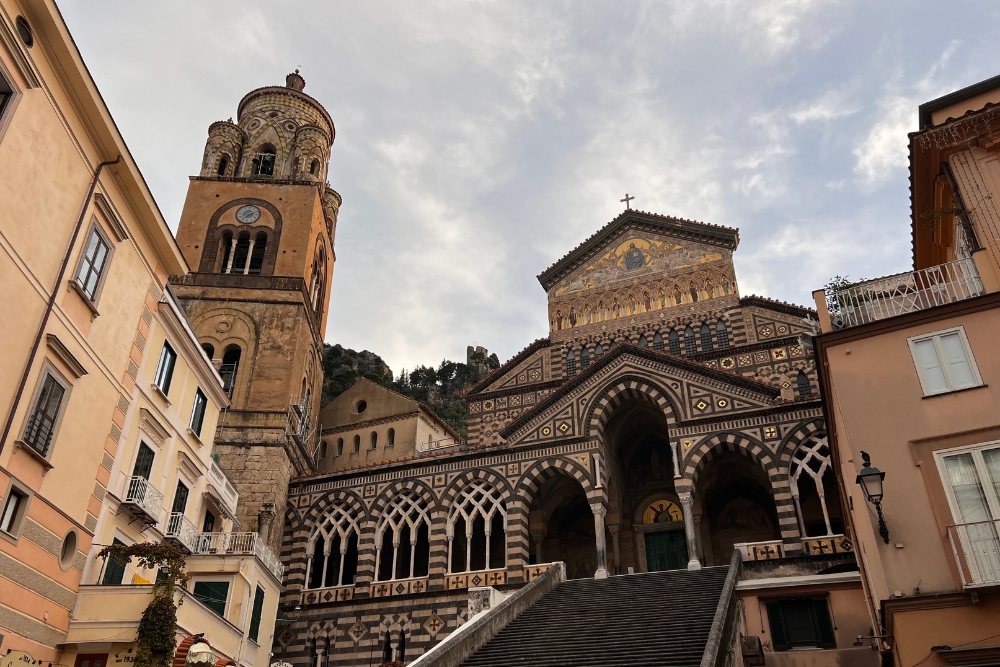
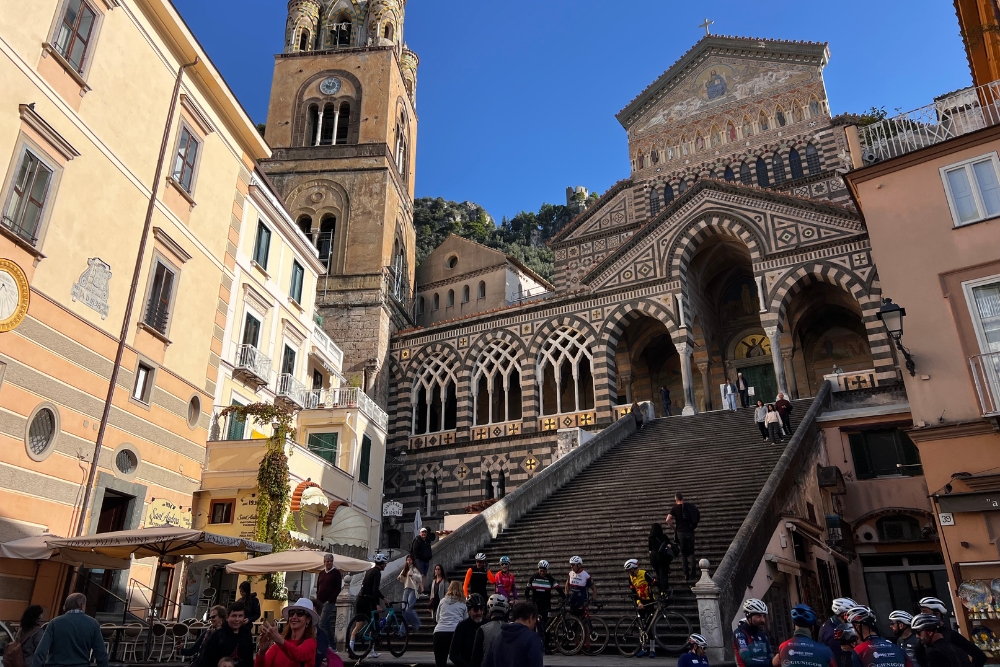
© Gayane Mkhitaryan, Cathedral of St Andrew Apostle, Amalfi
Amalfi Cathedral (Duomo di Sant’Andrea)
When I climbed the 62 steps up to the cathedral entrance around 9 AM, I met this incredible group of cyclists who’d ridden in from Ravello and Atrani just to see it at sunrise. That dedication makes sense once you’re standing there—the Arab-Norman facade is genuinely stunning, with its geometric patterns, bronze doors cast in Constantinople, and that dramatic staircase leading up from the piazza.
I paid my €4 entrance fee (worth every cent) and went inside to find an explosion of Baroque decoration that somehow works despite being the opposite of the austere medieval exterior. The cathedral dates back to the 9th century, though what you see now is mostly from later renovations. The crypt holds the relics of St. Andrew the Apostle, which made Amalfi a major pilgrimage site in medieval times.
What surprised me most was how the cathedral complex keeps revealing more—the ticket includes the Cloister of Paradise, the Basilica of the Crucifix, the crypt, and the diocesan museum. I spent about an hour exploring everything, which felt rushed. Give yourself 90 minutes if you actually want to absorb it all.
Practical details:
- Hours: 9 AM – 6:45 PM (varies by season, closed during mass times)
- Admission: €4 (as of 2025)
- Best time: Early morning (8-10 AM) or late afternoon (4-6 PM) to avoid cruise ship crowds
- Photography: Allowed in most areas except during religious services
Cloister of Paradise (Chiostro del Paradiso)
Included with your cathedral ticket, this 13th-century cloister is where I accidentally spent 20 minutes just sitting on a bench. The Moorish-influenced arches, the palm trees in the courtyard, the ancient marble sarcophagi lining the walls—it creates this peaceful atmosphere that feels worlds away from the crowded piazza just beyond the walls.
The cloister was built as a burial ground for Amalfi’s nobility, and you can see elaborate medieval tombs and frescoes throughout. The contrast between the bright white arches and the deep shadows creates incredible photo opportunities, especially around midday when the sun is directly overhead.
Local tip: Most tourists rush through to get to the crypt. Spend time here—it’s the most atmospheric part of the whole complex.
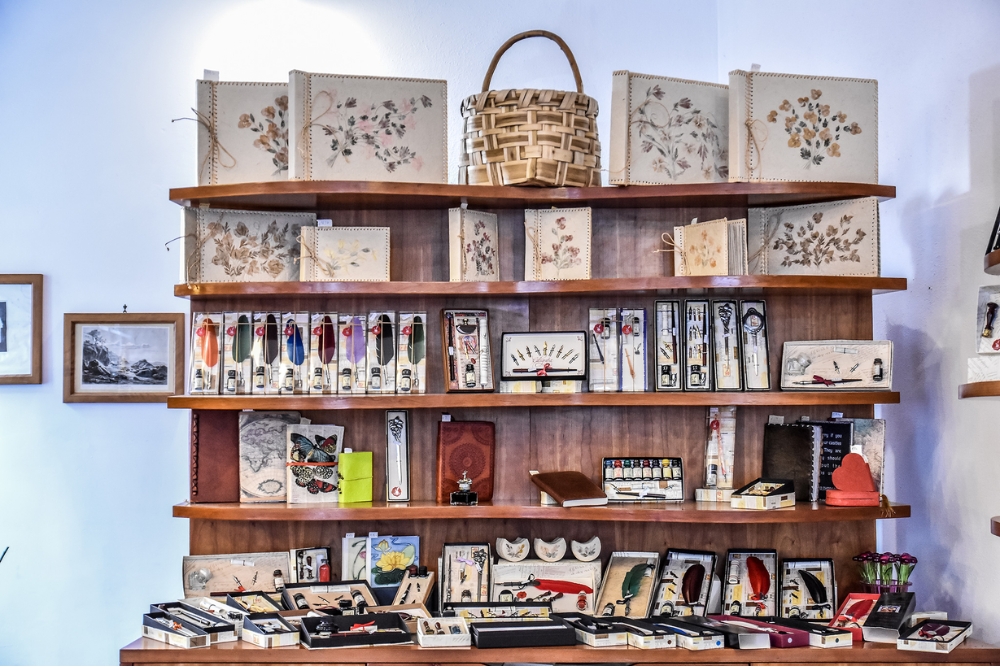
Paper Museum (Museo della Carta)
I didn’t make it to the Paper Museum during my brief visit (I had a boat to catch to Positano), but fellow travelers told me it’s one of Amalfi’s hidden gems. Located in a former paper mill in the Valle dei Mulini, the museum demonstrates the traditional paper-making techniques that made Amalfi famous throughout Europe in medieval times.
The museum is housed in a restored 13th-century mill, where you can watch demonstrations of handmade paper being made using the original machinery powered by the mountain stream. You can make your own sheet of paper.
Practical details:
- Hours: 10 AM – 6:30 PM (closed Mondays and January)
- Admission: €4
- Duration: 45 minutes to 1 hour including demonstration
- Getting there: 10-minute walk from Piazza Duomo following the Valle dei Mulini path
© Paper Museum (Museo della Carta)
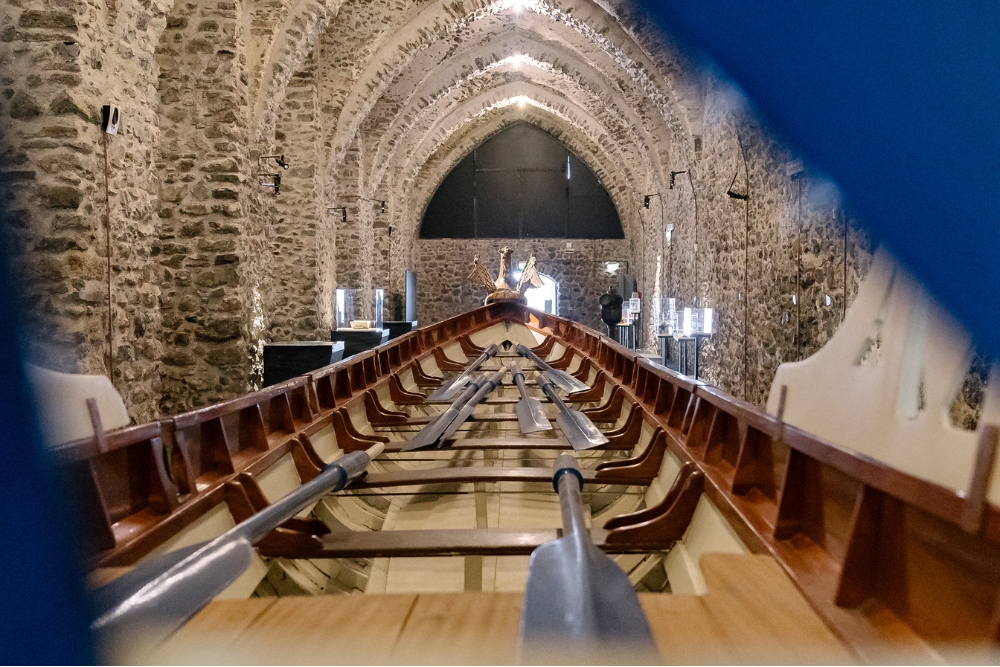
Arsenal of the Republic (Arsenale della Repubblica)
These massive medieval shipyards are where Amalfi built the fleet that made it one of Italy’s four great Maritime Republics (alongside Venice, Pisa, and Genoa). The stone vaults and Gothic arches give you a sense of the maritime power this small town once wielded.
Today, the Arsenal hosts the Compass Museum (Museo della Bussola), which claims—with some historical debate—that the compass was invented or perfected in Amalfi. Whether or not that’s true, the museum displays fascinating maritime navigation instruments and historical artifacts from Amalfi’s golden age as a trading empire.
Practical details:
- Hours: 10 AM – 7 PM (seasonal variations)
- Admission: €2-3
- Duration: 30-45 minutes
- Worth it? If you’re interested in maritime history, absolutely. If not, you can appreciate the architecture from the outside for free.
© Arsenal of the Republic (Arsenale della Repubblica)
Best Churches & Religious Landmarks
Beyond the cathedral, Amalfi has several smaller churches worth visiting if you have time:
- The Church of Santa Maria Maggiore sits on a terrace above the town with beautiful views and lovely medieval architecture. It’s much quieter than the cathedral and often completely empty.
- The Church of San Biagio in nearby Atrani (a 5-minute walk from Amalfi) offers a more intimate religious experience in the coast’s smallest town. The baroque interior is surprisingly elaborate for such a tiny place.
- Sanctuary of Santa Maria dell’Avvocata requires a steep hike up the mountain but rewards you with spectacular views and a sense of pilgrimage. Only attempt this if you’re comfortable with mountain trails.
Unique Experiences and Guided Tours

Limoncello Tasting Experiences
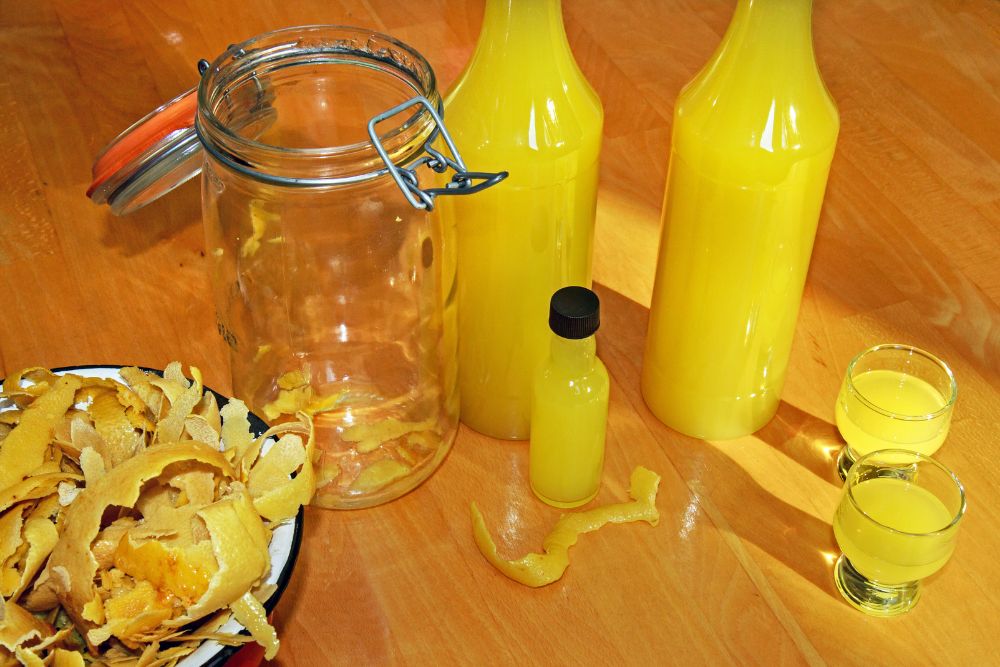
The Amalfi Coast is famous for its sfusato amalfitano lemons—huge, sweet lemons that grow on terraced groves carved into the cliffs. Every shop sells limoncello made from these lemons, but quality varies wildly.
Where to taste authentic limoncello:
- Several family-run shops along Via Lorenzo d’Amalfi offer free tastings
- Look for bottles showing the PGI (Protected Geographical Indication) certification
- Expect to pay €8-15 for a good bottle
Pro tip: The hotel staff at Fontana told me the best limoncello comes from small producers in Ravello and Furore, not necessarily the shops in Amalfi itself. But the tasting experience in Amalfi is fun and free.
© Canva
Boat Tours Along the Coast
One of the best ways to appreciate the Amalfi Coast’s dramatic beauty is from the water. Boat tours depart from Amalfi’s small harbor and typically visit hidden grottos, swimming spots inaccessible by land, and neighboring towns.
Popular boat tour options:
- Capri island day trips (8-9 hours, €80-120)
- Positano and Emerald Grotto tours (3-4 hours, €40-60)
- Sunset coastal cruises (2 hours, €30-50)
- Private boat rentals (half day from €200, full day from €400)
Booking: Local operators line the harbor with signs and schedules. For booking with flexible cancellation, check GetYourGuide, Headout, and Tiqets, which often include hotel pickup and multilingual guides. You can also organize it yourself, just check the times and routes.
Cooking Classes
Several establishments in Amalfi offer hands-on cooking classes where you learn to make traditional Campanian dishes like scialatielli pasta, seafood risotto, and lemon-based desserts.
Classes typically run 3-4 hours, include a market visit, hands-on cooking, and eating what you’ve made with local wine. Expect to pay €80-120 per person. Book through GetYourGuide or directly with restaurants advertising classes.
Valley of the Mills Hike
The Valle dei Mulini walk follows the ancient stream that powered Amalfi’s paper mills through the valley behind the town. It’s an easy, mostly flat path that takes you past abandoned mills slowly being reclaimed by nature, with the sound of rushing water accompanying you the entire way.
Free Things to Do
Walking Via Lorenzo d’Amalfi and the Historic Center
After breakfast at Hotel Fontana, I spent about an hour just wandering the main pedestrian street and the narrow lanes branching off it. Via Lorenzo d’Amalfi runs from the harbor up toward the mountains, lined with shops selling ceramics, limoncello, lemon-themed goods, and touristy souvenirs, alongside genuinely beautiful local crafts.
My route: Start at the harbor, walk up Via Lorenzo d’Amalfi to Piazza Duomo, then get lost in the lanes behind the cathedral. You’ll loop back eventually—it’s impossible actually to get lost in a town this small.
Sunrise and Sunset at the Beach
The sunrise I watched on November 15th might have been the best €0 I’ve spent traveling. I walked down to the waterfront around 6:30 AM, when the town was still sleeping, found a spot near the beach, and watched the sun rise over the Mediterranean.
Sunrise: The light hits the colorful buildings stacked up the cliffside, creating that golden-hour glow photographers obsess over. Best viewing spots are along the waterfront promenade or from the beach itself. Arrive by 6:30 AM in summer, 7 AM in winter.
Sunset: While Amalfi faces east (meaning the sun sets behind the mountains), the evening light is still beautiful. The best sunset views are actually from the panoramic viewpoint above town or from boat tours that take you west along the coast.
Reality check: November sunrises are chilly—bring a jacket. Summer sunrises are more comfortable, but you’ll have more company.
Beach Time at Spiaggia Grande
Amalfi’s main beach is free to access (though you’ll pay €8-15 per day if you want a beach chair and umbrella from one of the stabilimenti). The beach itself is small—maybe 200 meters long—with coarse sand and smooth pebbles. It gets absolutely packed in summer, but in shoulder season, like my November visit, you can actually find space.
The water is clear and clean, though the beach drops off quickly, so it’s deep close to shore. Swimming is possible from May through October, with July and August being the warmest.
Window Shopping for Ceramics and Limoncello
Even if you’re not buying, checking Amalfi’s shops is entertaining and free. The hand-painted ceramics are genuinely beautiful—plates, tiles, bowls, lemon-shaped containers in those distinctive yellow and blue patterns. Quality varies from mass-produced tourist stuff to authentic handmade pieces, and learning to tell the difference is part of the fun. Limoncello shops offer free tastings, and you’re not obligated to buy (though it feels awkward not to after sampling three varieties).
Self-Guided Architecture Tour
Amalfi’s architecture tells the story of its history as a maritime republic. Look up and you’ll see Byzantine arches, Arab geometric patterns, Norman stonework, and Baroque decoration all layered on top of each other.
Free architectural highlights:
- The cathedral facade (you don’t need a ticket to admire it from the piazza)
- Medieval porticos along Via Genova
- Stone staircases cutting between buildings
- Ancient arches and doorways throughout the historic center
- The Arsenal’s Gothic vaults (visible from outside)
Panoramic Viewpoint Above Town
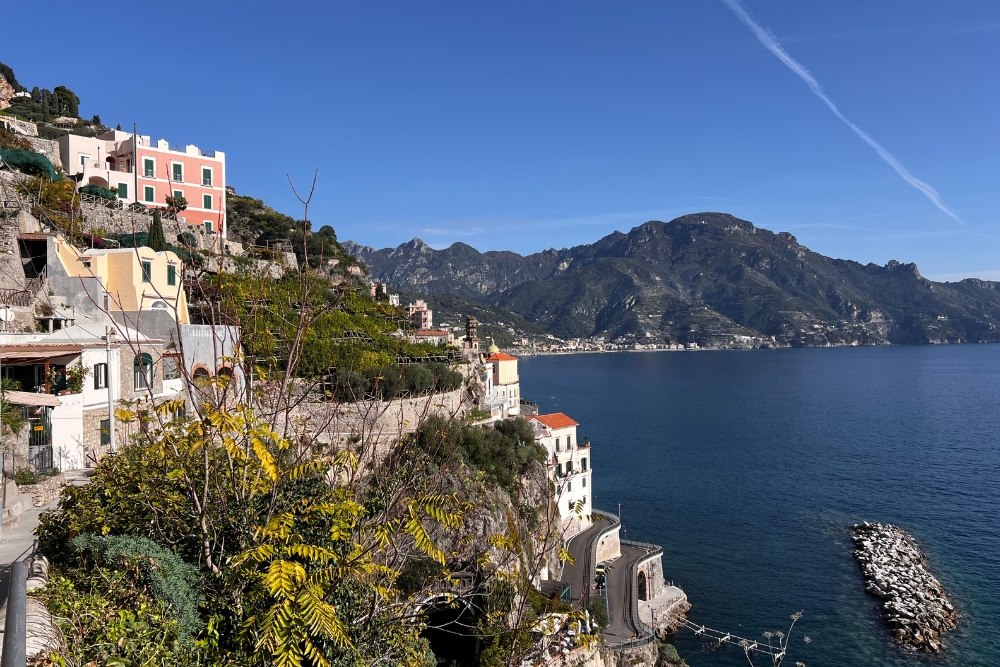
After the cathedral, I followed signs uphill to a panoramic viewpoint where I took one of my favorite photos—me, the sea, and the entire Amalfi Coast stretching toward Positano. The walk takes about 15 minutes from Piazza Duomo, climbing stone steps and narrow lanes, but the views are worth every step.
You’ll pass through residential neighborhoods where locals actually live, see terraced lemon groves clinging to impossibly steep slopes, and get perspectives on Amalfi that you can’t see from the waterfront.
Pro tip: Go in the morning for better light and fewer people. The viewpoint gets crowded around 11 AM when tour groups arrive.
You can also check out these points:
- Main Panoramic Terrace (Above Piazza Duomo)
- Hotel Luna Convento Terrace
- Sentiero per Ravello (Start of the Path)
- Torre dello Ziro Viewpoint
FAQs on Visiting Amalfi Town
Is Amalfi better than Positano?
Different, not better. Amalfi is larger, more historic, less expensive, and less pretentious than Positano. It has actual substance beyond pretty views—the cathedral, maritime history, paper mills, and working-town atmosphere. Positano is smaller, more vertical, more picturesque, and significantly pricier.
- Choose Amalfi if: You want history and culture, prefer better value, need more accommodation options, want a base for exploring the whole coast.
- Choose Positano if: You want the iconic coastal town aesthetic, don’t mind paying premium prices, prefer smaller and more intimate, have luxury tastes.
My take: After spending time in Amalfi and then taking the bus to Positano, I appreciated Amalfi’s substance. Positano is gorgeous but feels like a beautiful movie set. Amalfi feels like a place where things actually happened and still happen.
How many days do you need in Amalfi?
- For Amalfi town only: 1-2 days covers the main attractions comfortably.
- For using Amalfi as your coast base: 3-5 days lets you day-trip to Positano, Ravello, Atrani, and Capri while returning to Amalfi’s more reasonable prices.
My recommendation: Spend at least one night to experience sunrise/sunset and the evening atmosphere. The town empties in late afternoon when day-trippers leave, and that’s when it’s most magical.
Is Amalfi expensive to visit?
Compared to what? More expensive than inland Italy, less expensive than Positano or Capri, about average for Italian coastal tourism.
Realistic budget:
- Budget: €50-70/day (hostel in Atrani, grocery store meals, free activities, SITA buses)
- Mid-range: €120-180/day (decent hotel like Fontana, mix of restaurants and picnics, paid attractions, some boat tours)
- Luxury: €300+/day (luxury hotels, fine dining, private boats, guided experiences)
My November spending: About €40 beyond accommodation (€4 for the cathedral, €12.30 for the bus to Positano, €8 for coffee/snacks, €15 for lunch in Atrani). Summer prices would be higher.
Can you swim in Amalfi?
Yes, but with realistic expectations. Spiaggia Grande is Amalfi’s main beach—small, pebbly, clear water, gets deep quickly. It’s more atmospheric than spacious.
Swimming season: May through October, with July-August warmest (water around 26°C/79°F). I visited in November and saw a few brave souls swimming, but it’s cold.
Better swimming options nearby:
- Atrani beach (5-minute walk, slightly quieter)
- Duoglio beach (400 steps down, much quieter)
- Boat-accessible coves (clearest water, no crowds)
What's the best month to visit Amalfi?
- September: Perfect weather (still warm enough for swimming), fewer crowds than summer, everything open, ideal hiking temperatures. This is my top recommendation.
- May: Beautiful spring flowers, comfortable temperatures, lower prices than peak summer, but increasing tourist numbers.
- October: Similar to September but cooler, even fewer tourists, gorgeous autumn light for photography.
- November: What I experienced—quiet, authentic, cheap, but too cold for beach activities. Perfect if sightseeing is your priority.
- Avoid: July-August unless you love crowds and don’t mind premium prices.
Is Amalfi walkable?
The historic center is completely walkable—you can cross the main flat area in 10-15 minutes. But Amalfi is built on a steep hillside, so expect stairs. Lots of stairs. Everywhere.
Accessibility reality: The main attractions (cathedral, piazza, beach, Via Lorenzo d’Amalfi) are relatively flat and accessible. But reaching viewpoints, hotels on hillsides, and residential areas requires climbing stone steps. Not ideal for mobility limitations.
My experience: As a reasonably fit person, I found the walking pleasant but definitely felt it in my legs after hiking up to the panoramic viewpoint and back.
Do you need a car in Amalfi?
No, and I’d actively recommend against it. Parking is expensive (€3-5/hour), spaces are scarce, the roads are terrifying (those switchbacks!), and SITA buses reach everywhere you need to go.
Better alternatives:
- SITA buses for getting around the coast (€2.50-€12.30 depending on distance)
- Ferries in summer (scenic and relaxing)
- Walking (Atrani is 5 minutes on foot, Ravello is reachable by hiking trail)
- Private drivers for special trips (expensive but less stressful than driving yourself)
Only rent a car if: You’re exploring inland areas not served by buses, want maximum flexibility, don’t mind narrow roads and aggressive Italian drivers, and have good parking at your accommodation.
