
Things to Do in Larnaca, Cyprus: Top Picks from a Spontaneous $19 Trip
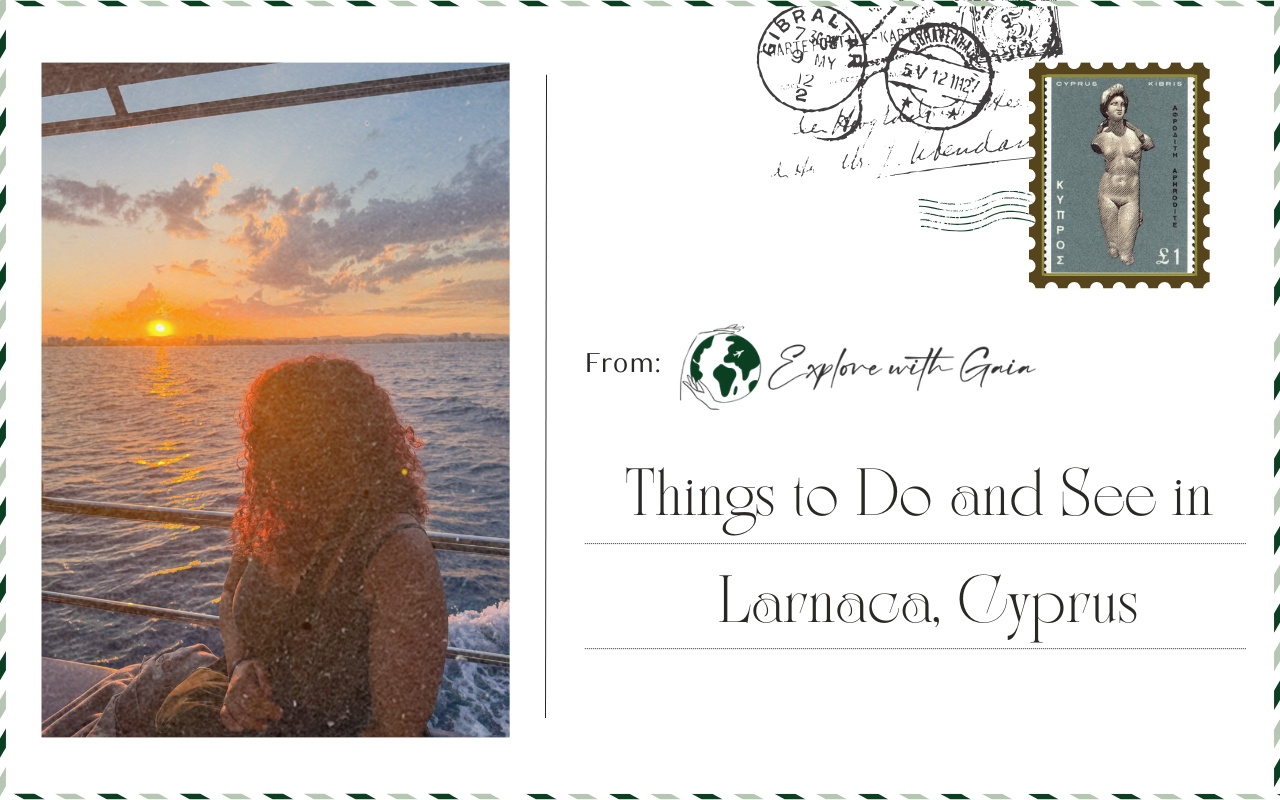
I booked this trip on the morning of May 27th. By evening, I was on a bus to Gyumri. By 6 am the next day, I was at Shirak Airport — Armenia’s second airport, which most Armenians forget exists — boarding a Wizz Air flight to Larnaca, Cyprus. The ticket cost me 7,000 AMD. That’s $19.
May 28 is Republic Day in Armenia, a national holiday, and it fell on a Thursday this year. Three-day weekend, cheap flight, warm Mediterranean sea. I didn’t need more convincing than that.
Larnaca is the main international entry point to Cyprus, so most people arrive here and immediately head to Nicosia, Paphos, or Ayia Napa. The city is compact, genuinely walkable, and has more going on than it gets credit for — a medieval fort right on the seafront, one of the most sacred mosques in the Islamic world at the edge of a salt lake, a Byzantine church housing the tomb of a biblical figure, and beaches that don’t require a taxi to reach.
Yes — particularly if you fly in cheap (which you can) and aren’t expecting a resort city. Larnaca won’t blow you away the way Santorini might, and it doesn’t pretend to. What it gives you instead is a real, functioning Cypriot city with a pleasant seafront, good food, interesting history, and almost no pressure to spend money you don’t have.
One to two days is the sweet spot. Three days is possible if you add a day trip. Any longer and you’ll have covered everything.
It’s also worth knowing that Larnaca is busy year-round. In summer, you get the beach. In winter (November to March), you get flamingos on the salt lake and basically no tourists. The history and religious sites are open in every season.
© Gayane Mkhitaryan, Piale Pasa Larnaca, Cyprus
Top Things to Do in Larnaca: My Recommendations
Here’s the quick overview before we get into the details:
- Swim at Mackenzie Beach — the most popular and lively beach in the city
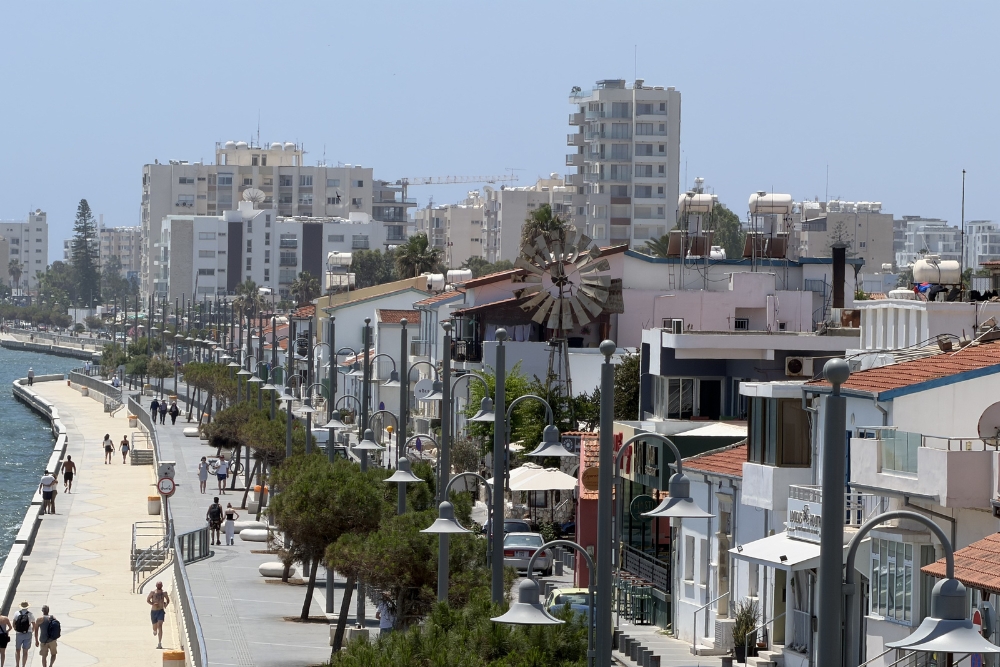
- Walk the Finikoudes promenade — a palm-lined seafront strip in the city center
- Visit Larnaca Salt Lake — stunning at any season, extraordinary November–March when thousands of flamingos stop here on migration
- Explore Hala Sultan Tekke — one of the most sacred mosques in the Islamic world, sitting right on the salt lake
- See the Church of Saint Lazarus — a Byzantine church built over the tomb of Lazarus, the man Jesus raised from the dead
- Visit Larnaca Castle — a small medieval fort at the end of the promenade with a museum inside
- Visit the Pierides Museum — the oldest private museum in Cyprus, housed in a 19th-century mansion
- Swim at Kastella Beach — quieter, Blue Flag certified
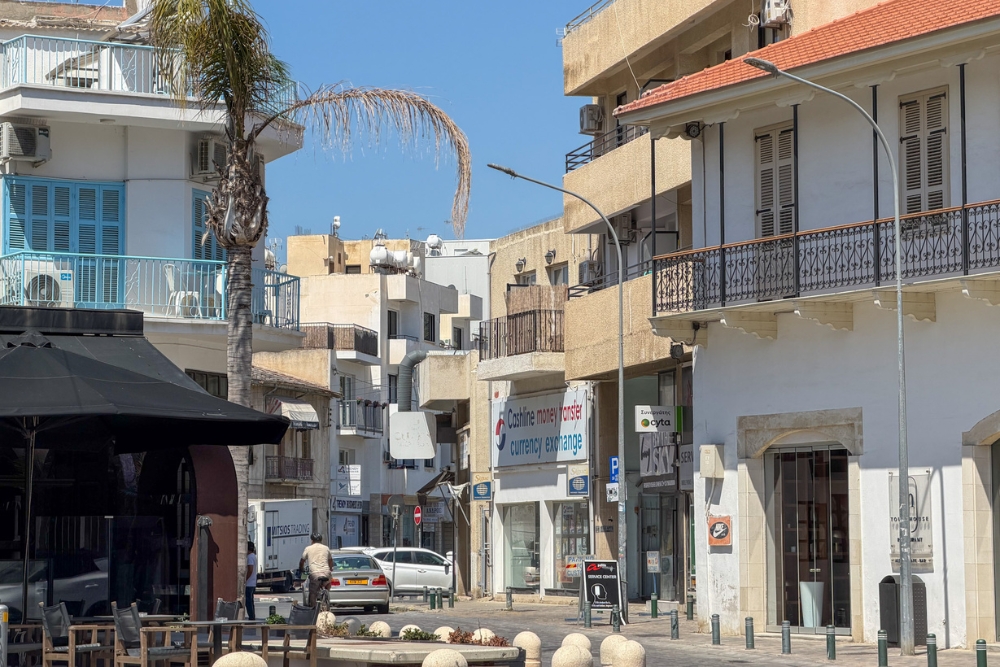
- Stroll the Skala neighborhood — Larnaca’s old town, full of narrow streets and local life
- Take a boat trip from Larnaca Marina — €15 for a cruise past the airport with a drink included
- Dive the Zenobia wreck — considered one of the top wreck dives in the Mediterranean (book in advance)
Beaches in Larnaca
For a city this size, Larnaca punches well above its weight on beaches. Three main ones, each with a different mood.
Mackenzie Beach
Mackenzie is the one you’ll hear about most, and the reputation is deserved. It’s a long sandy stretch lined with beach bars and casual restaurants — the kind of place you spend a morning swimming, order a coffee that turns into a beer, and suddenly lose four hours. Gets busy in peak summer but in late May it’s perfect: warm enough to swim, not yet sardine-packed.
The airport is directly overhead here, which either drives you crazy or becomes entertainment. Personally, I find watching planes skim the rooftops while you float in warm Mediterranean water oddly satisfying.
Free to access. Sun loungers available for hire from the beach bars if you want them.
Finikoudes Beach
Right in the city center, fronted by a palm-lined promenade and a row of cafés. More urban than Mackenzie — you’re in the middle of everything here — and the beach itself is narrower and less pristine. But the convenience is unbeatable: it’s a two-minute walk from most central hotels, and the promenade at sunset is genuinely lovely. Good for a morning dip before you get on with the day.
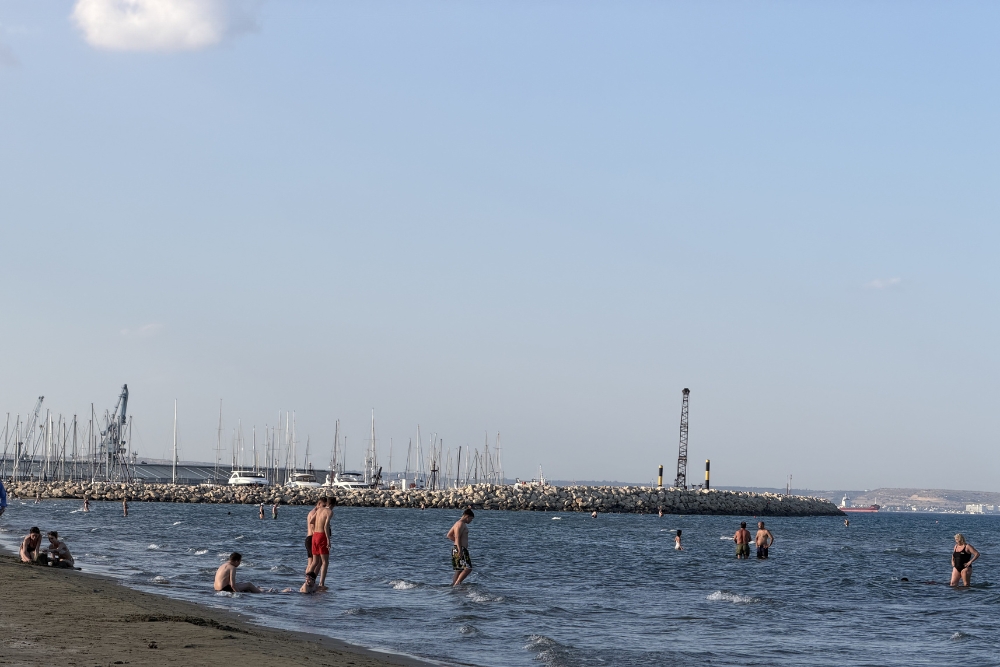
Kastella Beach (Blue Flag)
Quieter than the other two, it holds a Blue Flag certification for water quality. If you want to actually swim without navigating through beach bars and sunbeds, this is where to go. Less infrastructure, more sea.
Larnaca Marina
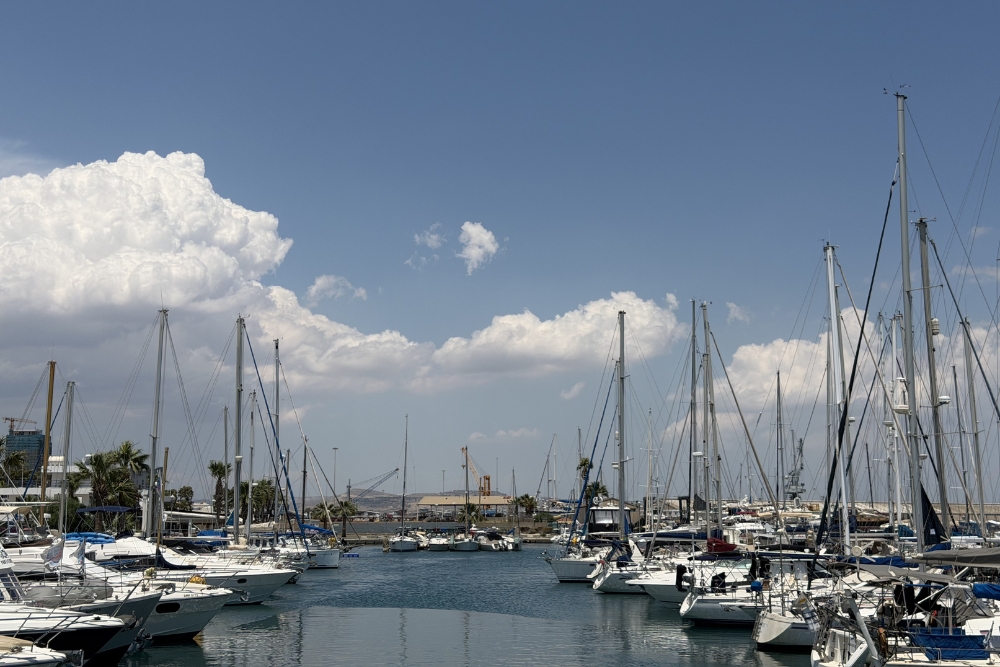
The marina is the practical and social hub of the city — and a good orientation point when you first arrive. Most of the intercity buses stop nearby, making it a natural starting point for exploring further afield. Bus routes connect the marina area to Nicosia, Limassol, Paphos, and Ayia Napa, all operated by OSEA (intercity) and Zinonas (local Larnaca routes). The walk between the marina, Finikoudes promenade, and the castle is entirely flat and takes under ten minutes end to end.
Beyond transport, the marina has restaurants, a handful of boat operators, and the kind of late afternoon atmosphere that makes it easy to lose an hour just watching the water.
Book a Boat Trip
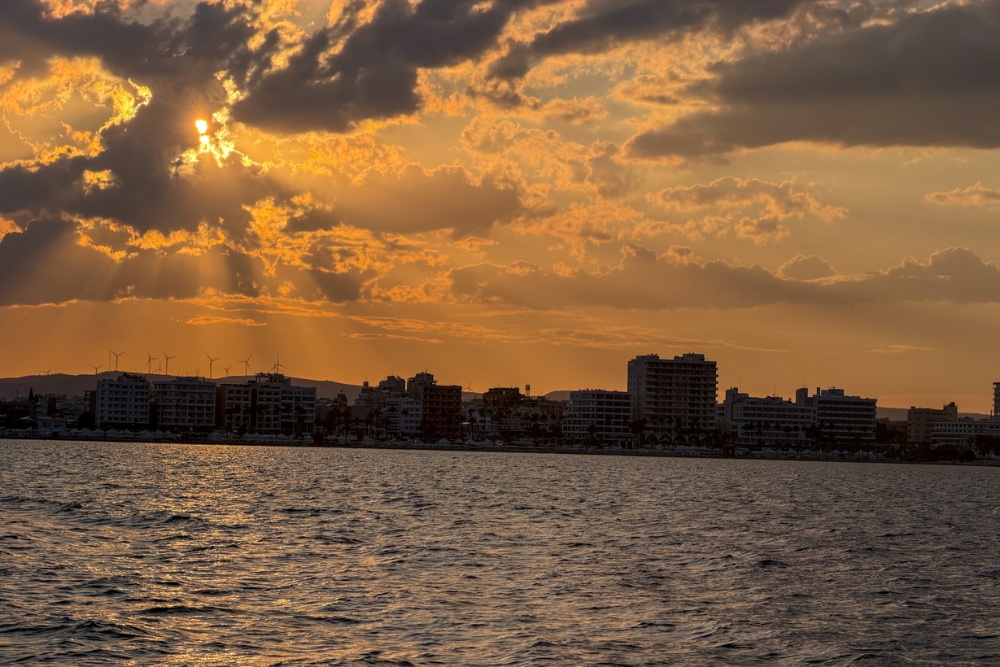
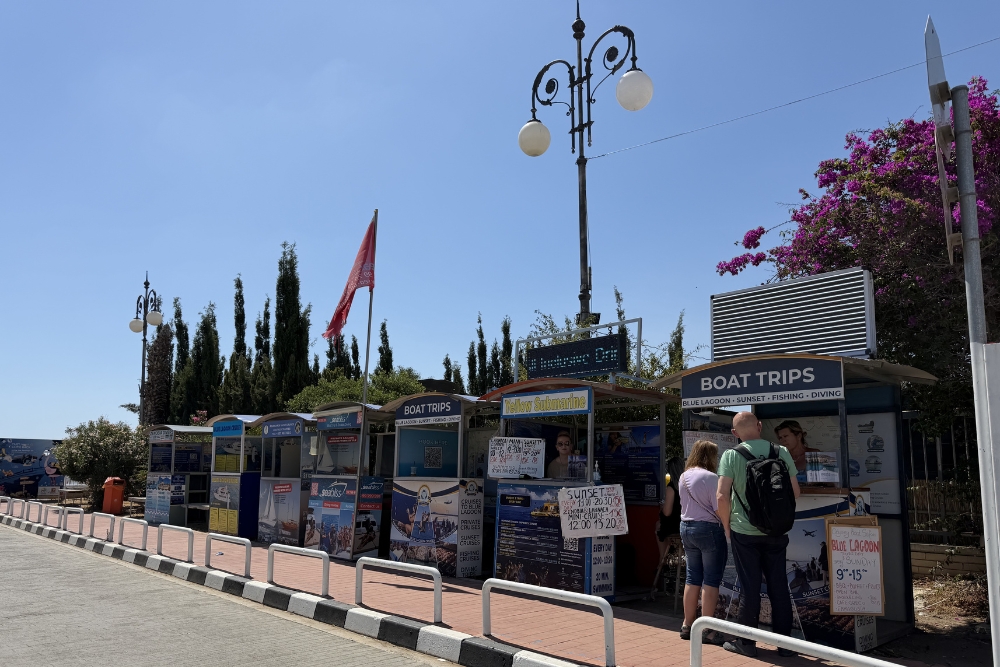
One of the best things you can do for €15 in Larnaca is book a boat trip from the marina. Most operators run the same basic route: out along the coast past Mackenzie Beach with Larnaca airport right there — planes coming in low over the sea as you sit on deck with a drink in hand. It’s a genuinely good combination of relaxing and entertaining.
I went with Yellow Submarine, and most operators follow more or less the same route and price point. Trips typically include one drink. Look for the boats lined up along the marina — you can book on the spot or the day before.
Price: Around €15 per person, including a drink.
Historical Places in Larnaca
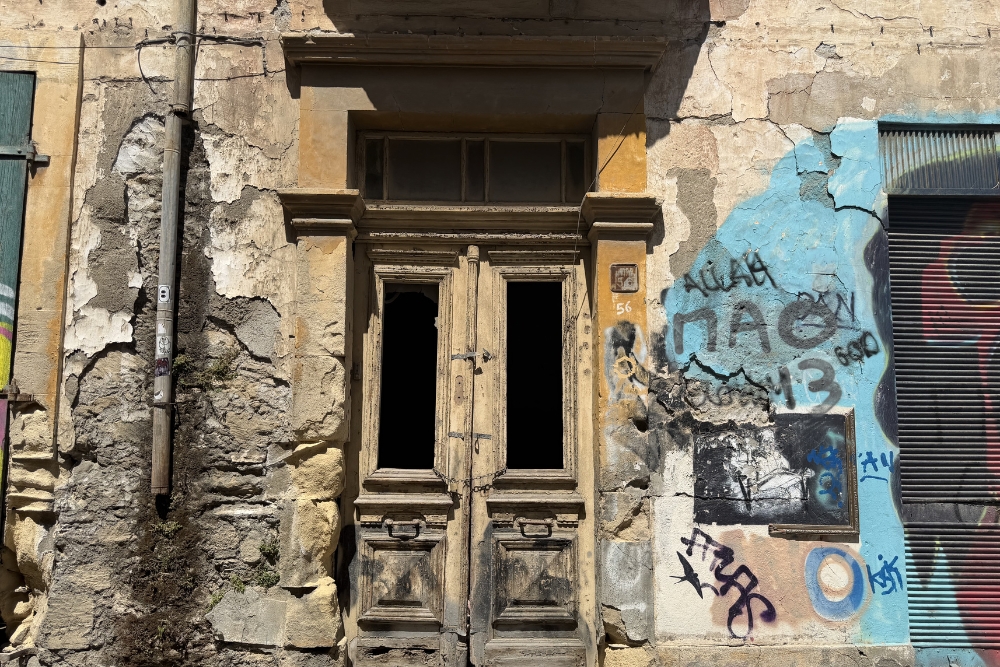
Cyprus has been occupied, traded, and fought over by practically every major power in Mediterranean history — Phoenicians, Greeks, Romans, Crusaders, Venetians, Ottomans, and the British. Larnaca carries a lot of that weight in a small area. You don’t need a history degree to appreciate it; you just need to look at what’s still standing.
Larnaca Castle (Medieval Fort)
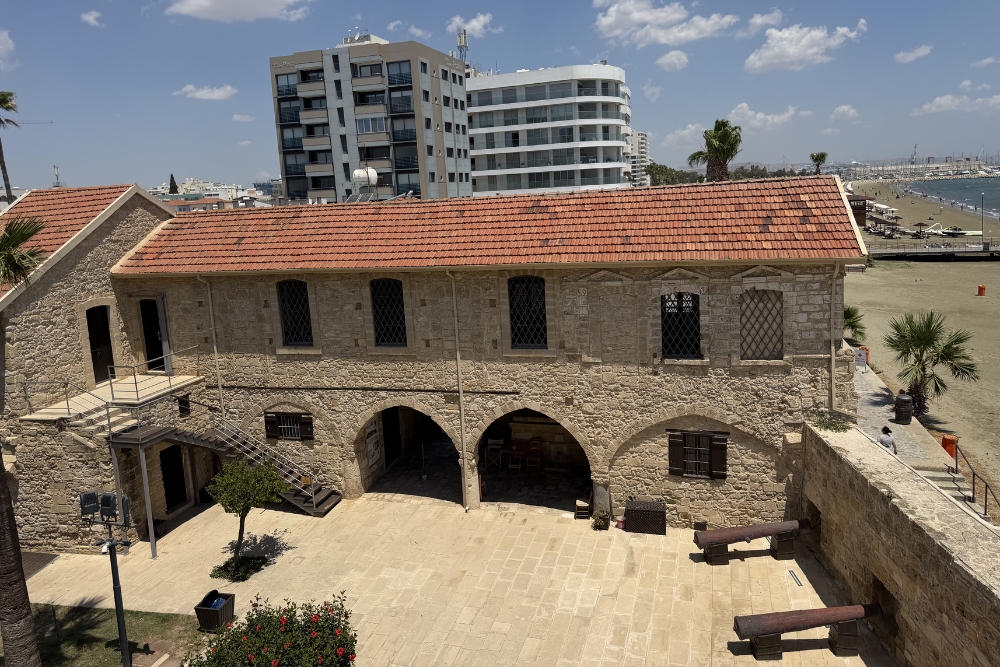
Sitting at the southern end of the seafront promenade, Larnaca’s medieval fort was originally built by the Lusignan dynasty in the 14th century and later used by the Ottomans. It’s not enormous — you’ll cover it in 30 to 45 minutes — but the position alone makes it worth the entrance fee. The views from the ramparts, back along the promenade, are among the best in the city.
Inside is the Larnaka Medieval Museum, covering the fort’s history across different periods of occupation — weapons, ceramics, coats of arms, and artifacts from the Lusignan and Ottoman periods. Well curated for its size and included on the same ticket.
Tickets: Approx. €2.50 adults.
Museums in Larnaca
Larnaca has more museums than it gets credit for — none of them enormous, but several genuinely worth your time. You could cover the highlights in a single dedicated morning.
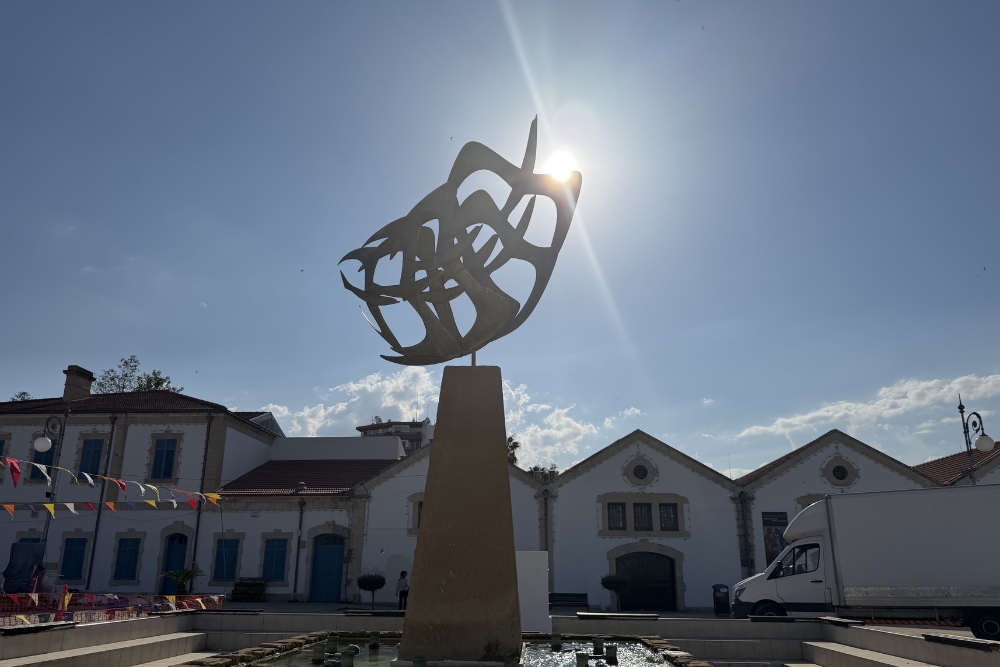
© Gayane Mkhitaryan, “Seagulls in Flight” fountain located in Europe Square in Larnaca, Cyprus
Pierides Museum
The oldest private museum in Cyprus, and one of the most underrated stops in the city. The Pierides family started collecting Cypriot antiquities in 1839 to prevent them from leaving the island, and the result is a remarkable collection spanning 6,000 years — Neolithic figurines, Bronze Age pottery, ancient glassware, medieval maps, and Cypriot folk art, all housed in a 19th-century colonial mansion in the center of Larnaca.
It’s compact — an hour is enough — but the quality of what’s inside is well above what you’d expect from a city this size. If you have any interest in Cypriot history, this is the one museum in Larnaca worth paying for.
Address: 4 Zinonos Kitieos Street, Larnaca city center
Official website: pierides-museum.com
Larnaca District Archaeological Museum
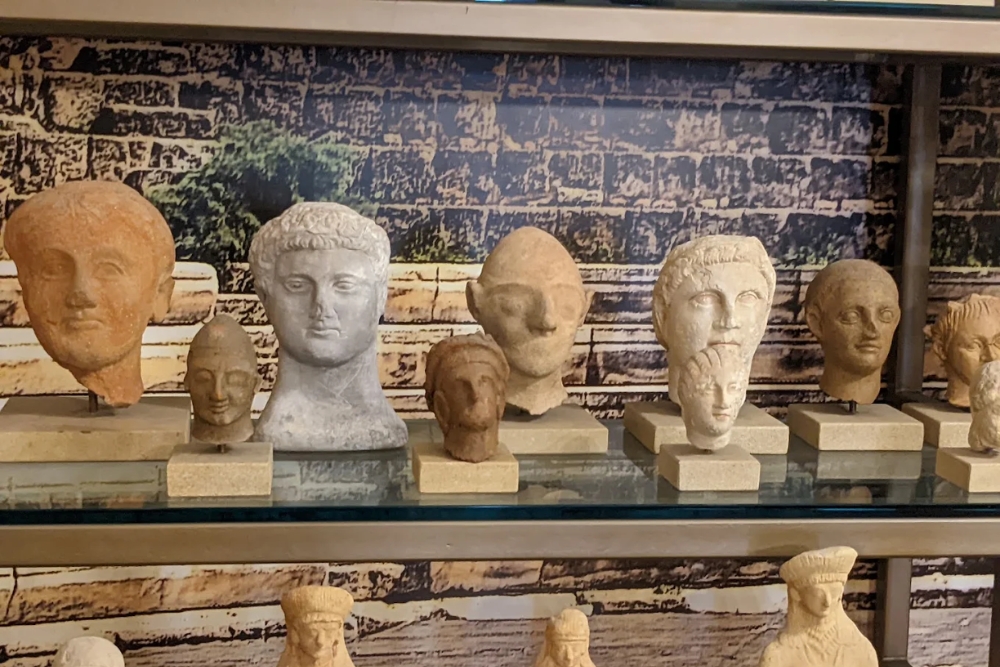
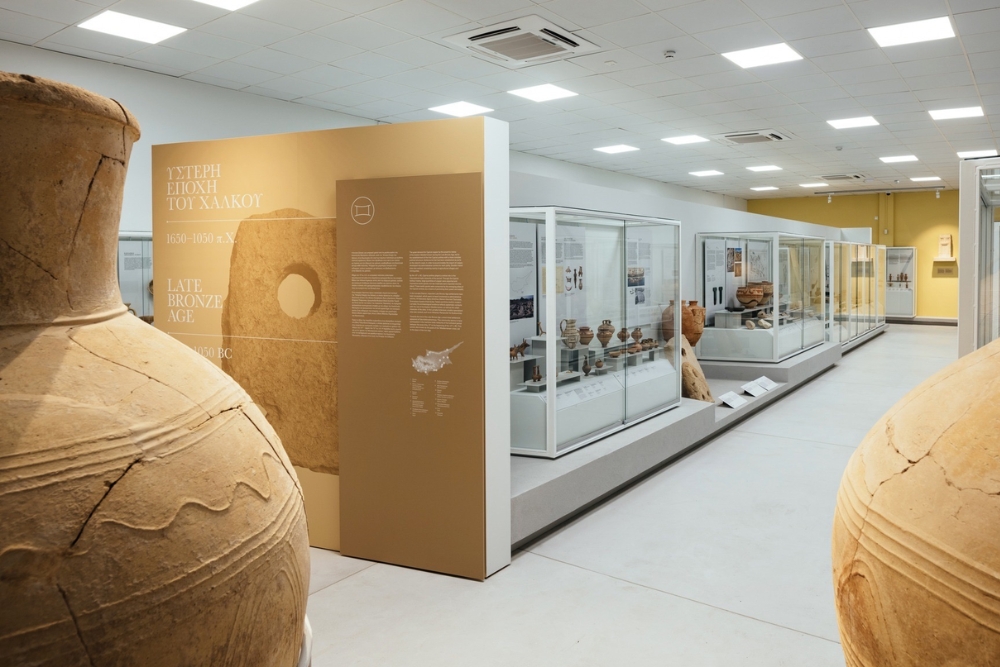
The state archaeological museum covers the broader Larnaca district from prehistoric times through the medieval period. It houses artifacts from excavations across the region, including finds from Kition — the ancient Phoenician and Mycenaean city-state that once occupied the site of modern Larnaca. More academic in tone than the Pierides, and the presentation is fairly traditional, but if ancient Cyprus is your thing, it fills in a lot of context you won’t get elsewhere in the city.
© Larnaka Region
Larnaca Municipal Art Gallery
The city’s main public art space hosts rotating exhibitions of Cypriot and international contemporary art. Worth checking what’s on during your visit — the permanent collection focuses on Cypriot artists, and the temporary shows can be genuinely good. A good stop if you want more than just history and archaeology. Entry is often free or very low-cost.
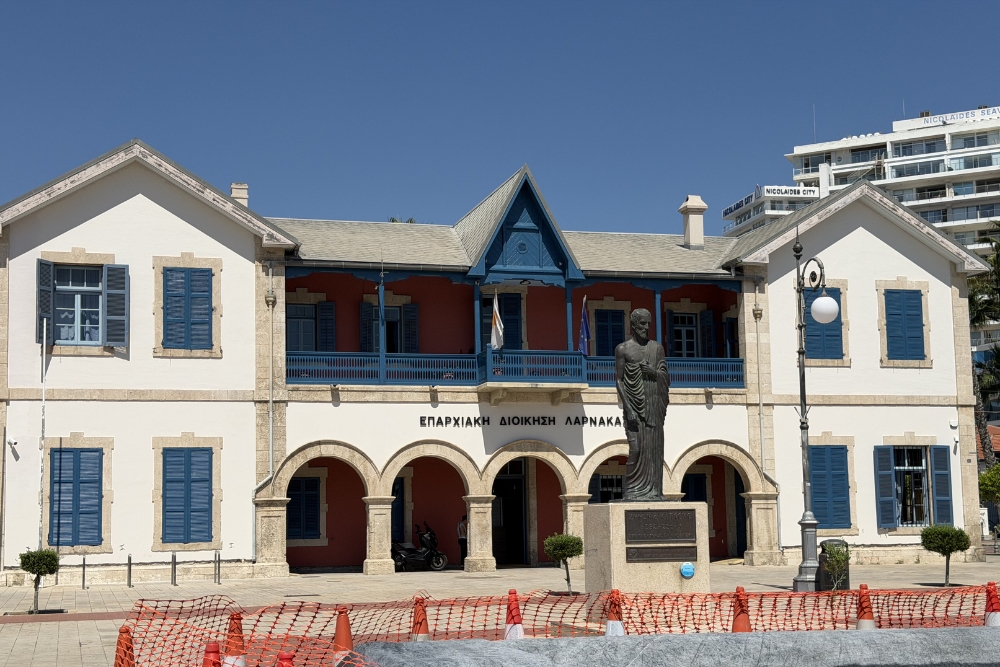
Larnaka Medieval Museum
Housed inside Larnaca Castle, this is the museum you’ll encounter when you visit the fort — not a separate trip, but part of the same ticket. Covers the medieval period of Cypriot history with weapons, ceramics, coats of arms, and artifacts from the Lusignan and Ottoman periods. Small but well-presented, and the castle setting does a lot of the work.
Note: Included in the Larnaca Castle entry fee.
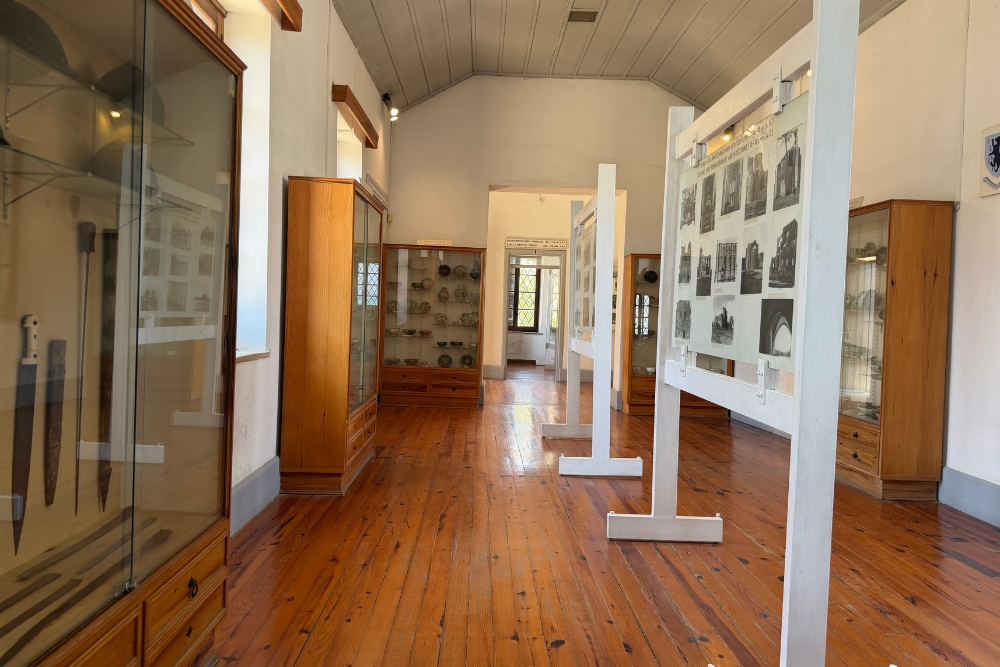
Larnaka Historic Archives Museum
A smaller, specialist museum dedicated to the documented history of Larnaca — maps, photographs, official records, and historical documents tracing the city’s development from the Ottoman period through the 20th century. More niche than the others and best suited to visitors with a specific interest in local and colonial history. Not a must-do, but worth knowing about if you have an extra hour.
Churches and Religious Sites
Larnaca has an unusual religious mix for a city this size — Byzantine Orthodox, Armenian Apostolic, and Islamic, all within walking distance of each other. That layered history is one of the more interesting things about the place, and you can cover most of it in a single afternoon on foot.
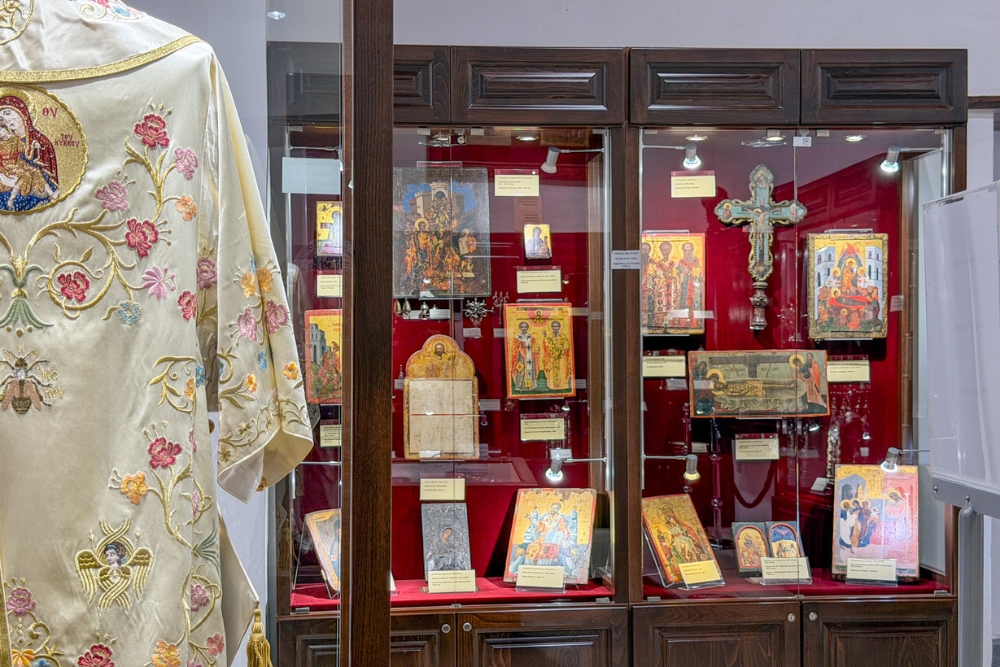
© Gayane Mkhitaryan, Church museum of Saint Lazarus Larnaca, Cyprus
Church of Saint Lazarus (Agios Lazaros)
This one stopped me in my tracks — not because I was expecting it to, but because of what’s actually under it. According to Christian tradition, Lazarus — the man Jesus raised from the dead in the Gospel of John — fled Judea after the resurrection and ended up in Larnaca. He lived here, became the city’s first bishop, and was buried here when he died his second (and this time permanent) death. His tomb is beneath the church floor.
The church itself was built in the 9th century over the tomb and is one of the finest examples of Byzantine architecture in Cyprus. Entry to the church is free. There’s a small museum attached — tickets are a few euros and worth it for the collection of icons and religious artifacts inside.
Practical: Modest dress required. Cover shoulders and knees; scarves/cover-ups are sometimes available at the entrance. The church typically closes midday and reopens in the afternoon, but hours vary by season.
Official website: agiosLazaros.org.cy
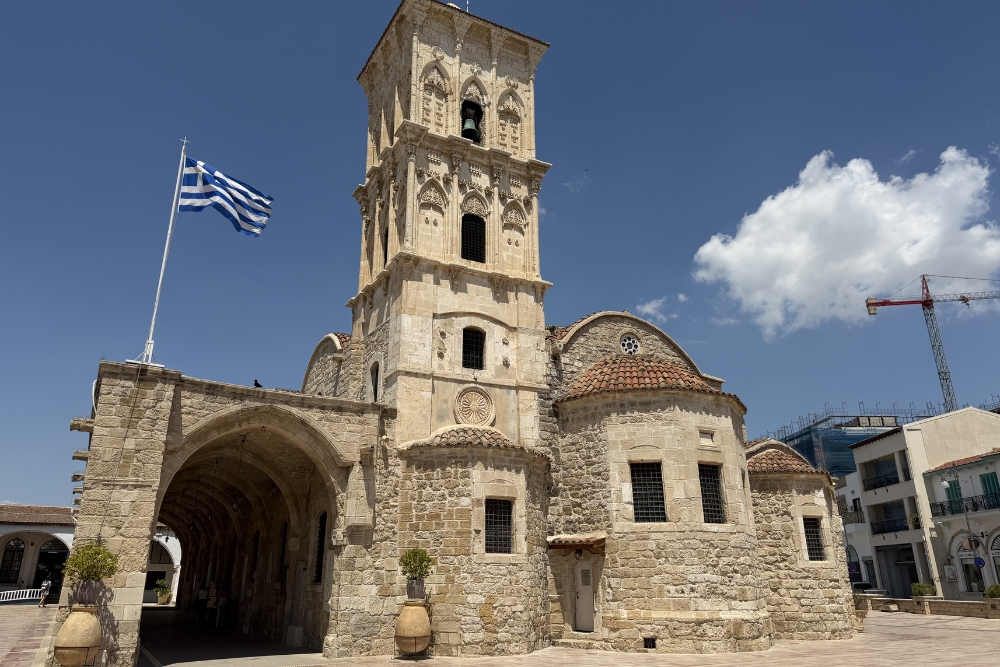
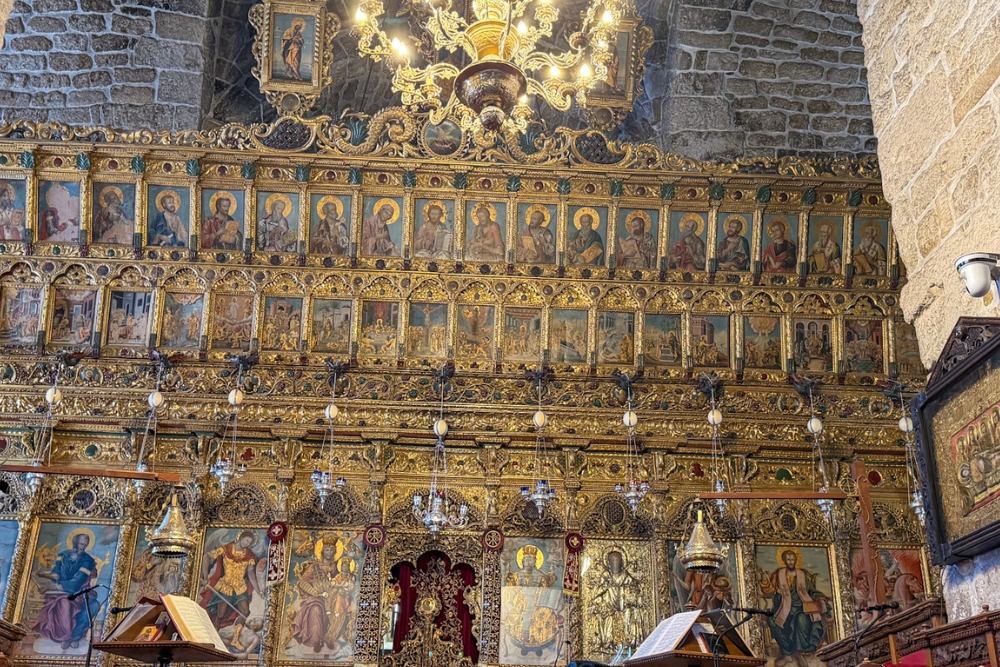
Armenian Church of Larnaca
Larnaca has a small but historically significant Armenian community, and its presence is marked by an Armenian Apostolic church in the city. For Armenian visitors, it carries obvious personal weight — this is a reminder that the diaspora extends across the Eastern Mediterranean, scattered by centuries of migration and the catastrophe of 1915. The church is modest in size but worth seeking out, particularly if you’re traveling from Armenia and find yourself unexpectedly moved by its existence in a city you reached on a whim for $19.
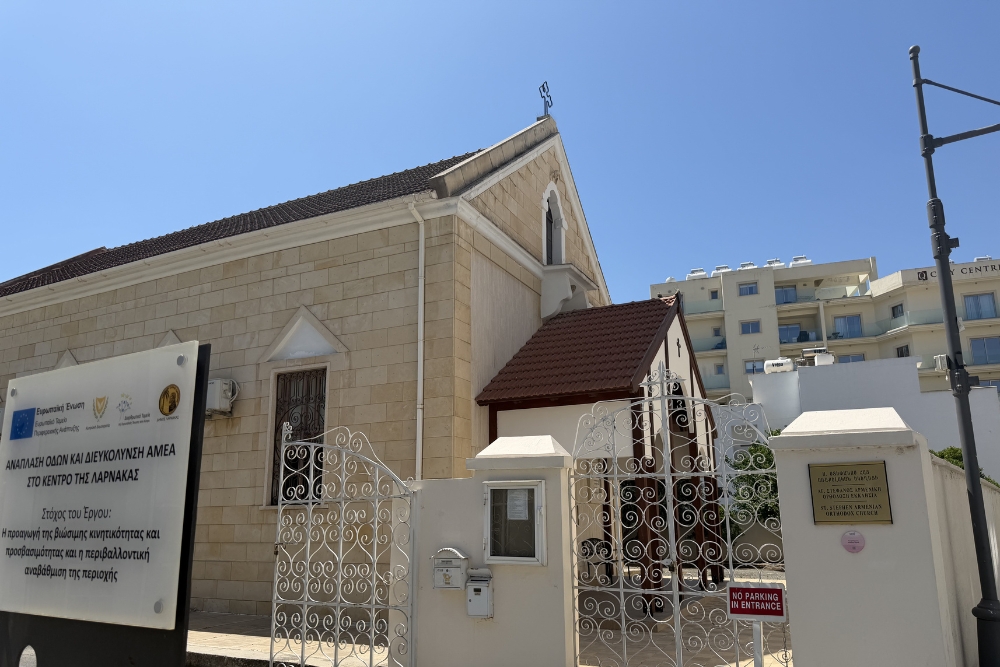
Djami Kebir Mosque (Great Mosque)
One of the oldest mosques in Larnaca, the Djami Kebir — which simply means “Great Mosque” in Turkish — is located in the Skala neighborhood, close to the castle and the seafront. It was converted from a church during the Ottoman period, and the architecture reflects that layered history: look closely and you can see the earlier Christian structure beneath the Ottoman additions. Still an active place of worship. Free to enter outside prayer times; modest dress required.
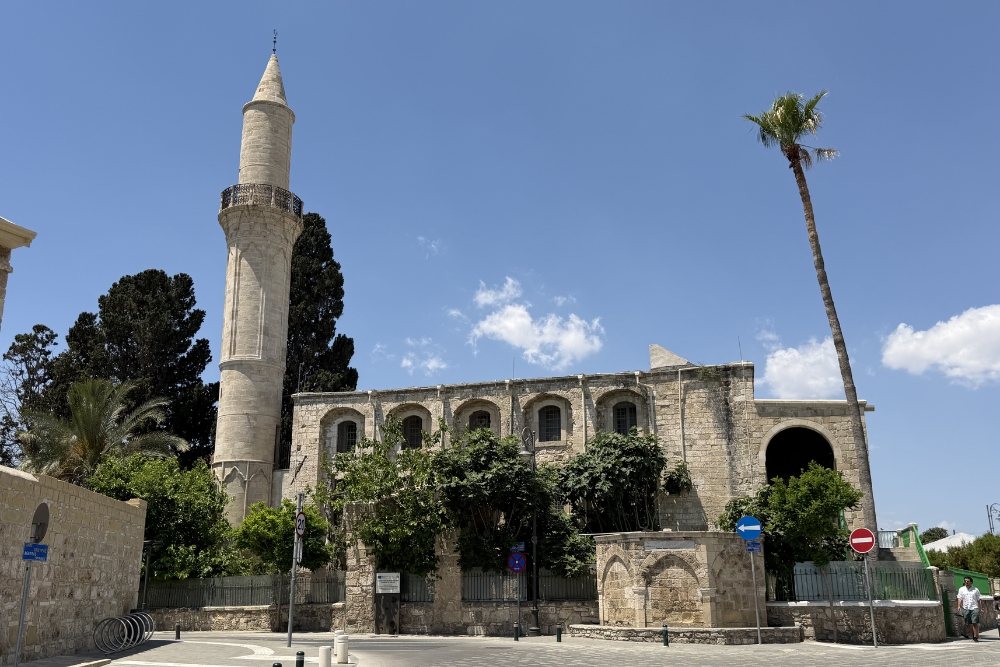
Hala Sultan Tekke
One of the most sacred sites in Islam, and genuinely one of the most beautiful places in Larnaca. The mosque was built in the 18th century over the tomb of Umm Haram bint Milhan, an aunt of the Prophet Muhammad who died near here during the Arab raids of 647 AD. It’s considered the third or fourth holiest site in Islam, depending on the source.
What makes it extraordinary, beyond its religious significance, is its location: it sits right on the edge of Larnaca Salt Lake, framed by palm trees. The combination of the white minaret, the flat water, and the silence makes it one of those places where you stop talking without consciously deciding to.
Entry is free. Modest dress required — head coverings for women, no shorts. Come in the morning for the best light and the fewest people.
Outdoor Activities and Nature
Larnaca Salt Lake
Four interconnected salt lakes about 2–3km from the city center. In summer — including when I visited in late May — the lake is largely dry, a flat expanse of white salt crust. Still worth visiting for the walk along the causeway with Hala Sultan Tekke in full view. In winter, the picture changes completely: between November and March, thousands of greater flamingos stop here during migration, making it one of the best places to see flamingos in Europe. Completely free, no infrastructure required.
Practical: The walk from Hala Sultan Tekke along the lake’s edge takes about 20–30 minutes at an easy pace. Good at sunset. Bring water if you’re going in summer.
Zenobia Wreck (Scuba Diving)
If you dive, this is a non-negotiable. The Zenobia is a Swedish roll-on/roll-off ferry that sank in 1980 just off the coast of Larnaca on her maiden voyage. She now lies on her side at 18–42 meters depth, still loaded with trucks and freight containers. Consistently ranked among the top ten wreck dives in the world.
You don’t need to be an expert diver — there are levels accessible to Open Water certified divers — but you do need to book with a local dive operator in advance. The dive is typically done as a day trip with two dives included.
Booking: Local operators include Dive-In Larnaca and Atlantis Diving Center, or search via GetYourGuide.
Free Things to Do in Larnaca
Larnaca is one of those cities where you can genuinely fill a day spending almost nothing.
- Walk the Finikoudes promenade — the main seafront strip, lined with palm trees, open all day and into the evening
- Salt Lake walk at sunset — best free view in the city
- Church of Saint Lazarus — free entry to the church itself
- Hala Sultan Tekke — free entry
- Djami Kebir Mosque — free entry outside prayer times
- Explore Skala on foot — the old neighborhood behind the castle; narrow streets, local cafés, real city life rather than tourist-facing restaurants
- Watch planes land at Finikoudes — Larnaca’s international airport sits unusually close to the waterfront; you can watch aircraft come in low over the sea right from the promenade. Weirdly entertaining.
Things to Do in Larnaca at Night
Larnaca is not a nightlife city — let’s get that out of the way. If you want clubs and a 4 am scene, you want Ayia Napa or Limassol. What Larnaca has instead is a relaxed bar scene that’s perfectly pleasant if you meet it on its own terms.
The Mackenzie Beach strip has the highest concentration of bars and casual restaurants — good for a drink by the water. The Finikoudes promenade is better for a post-dinner walk or a slow coffee watching the sea. The marina area has a handful of nicer restaurants if you want something slightly more special.
Cypriot food at a local taverna is one of the genuine highlights here — meze (a spread of small dishes) is the way to eat, and you’ll typically get more food than you can finish for €15–20 per person.
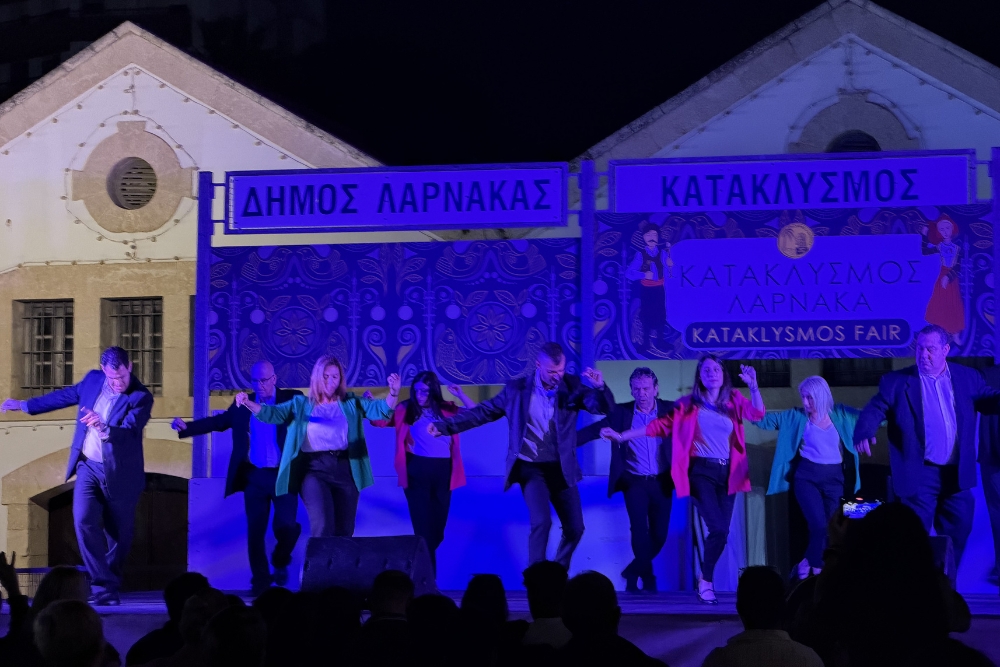
© Gayane Mkhitaryan, Kataklysmos fair Larnaca, Cyprus
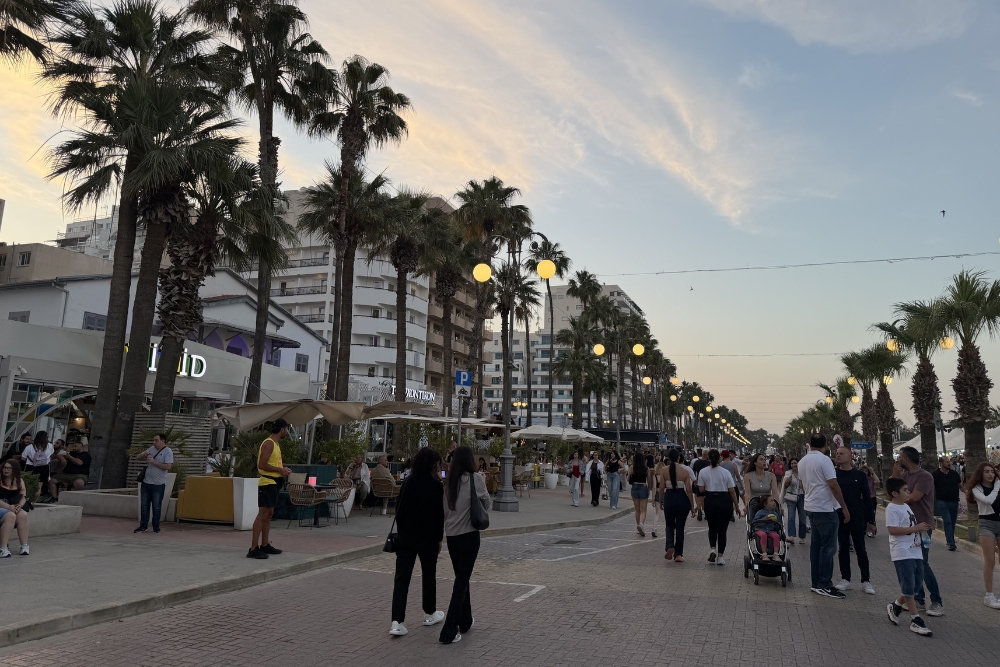
Larnaca in Winter
Underrated. Genuinely worth considering.
Temperatures between November and March sit around 15–18°C — not beach weather, but perfectly comfortable for walking and sightseeing. The tourist crowds are almost entirely gone. Flights and accommodation prices drop. And crucially, the flamingos arrive.
If the salt lake with flamingos is on your list, winter is the only time to see it. They typically arrive in November and leave by late March. Combine that with the quieter version of every other attraction in the city and you have a solid off-season destination that most people aren’t even considering.
FAQs: Quations I had Before my Trip
Is Larnaca expensive?
Cheaper than Western Europe, roughly on par with other Mediterranean islands. A local meal at a taverna: €8–12. Coffee: €2–3. Public transport is minimal — the city is walkable, or taxis are reasonably priced for short distances.
What to do in Larnaca in 1 day?
Morning: Church of Saint Lazarus → Larnaca Castle → walk the Finikoudes promenade. Afternoon: Hala Sultan Tekke and salt lake walk → Mackenzie Beach for a swim. Evening: dinner at a Skala taverna, walk back along the promenade.
What to do in Larnaca for 4 days?
Add: a day trip to Nicosia (50 minutes by bus — you can cross into the northern part of the city via the Ledra Street checkpoint), a Zenobia dive day, a slower afternoon at Kastella Beach, and time to explore Skala properly rather than just passing through it.
What should I be careful of in Cyprus?
Very safe country overall — Cyprus consistently ranks well in European safety indices. A few practical things to know: driving is on the left (the British system; Cyprus was a British colony until 1960). The island is divided — the northern part is under Turkish administration and requires crossing at specific checkpoints; most tourists visit only the southern Republic of Cyprus. In tourist areas, prices at seafront restaurants can be inflated; walk one street back and they drop noticeably.
