
Things to Do in Albi, France: A Local’s Guide to This UNESCO Gem
I first set foot in France in September 2019 — not through Paris, not through a package tour, but through a volunteering program in the tiny village of Laguépie. A group of us — young people from different countries — were living together in a big house and helping the local community build a library in one of the rooms.
It was an unlikely way to arrive in France for the first time: practicing my French with locals during the day, cooking communal dinners in the evenings, and slowly figuring out this part of the country nobody seemed to write about. From that base, I had the chance to travel around, and one of the cities I visited was Albi. I had no strong expectations. I’m glad I went anyway.
Albi is located about 80 kilometers northeast of Toulouse, on the banks of the Tarn River, and it’s one of those small cities that looks almost too perfect: red-brick buildings rising above the water, a cathedral that looks more like a fortress than a church, narrow medieval streets threading between half-timbered houses. Here’s everything worth doing — and a few honest notes on what you can skip.
Albi is famous for two things above all else: its UNESCO-listed Episcopal City — centered on the Sainte-Cécile Cathedral and the Berbie Palace — and the fact that it’s the birthplace of post-Impressionist painter Henri de Toulouse-Lautrec. The city holds the world’s largest collection of his work. Beyond that, Albi is known regionally for its distinctive red-brick architecture, a style found throughout Occitanie but particularly concentrated and intact here.
Is Albi Worth Visiting?
Yes — but be clear about what kind of trip this is. Albi works best as a day trip from Toulouse or a short stop of one to two nights if you’re exploring the wider Tarn region. It’s not a city that rewards a week’s stay, and it’s not a buzzy, foodie destination. What it is: a genuinely beautiful, compact, UNESCO-listed city with two excellent museums, a cathedral unlike anything else in France, and an old town you can walk end to end in under twenty minutes.
For budget travelers specifically, it’s a good value. The old town costs nothing to walk. The cathedral nave is free to enter. The Berbie Palace gardens are free. You can have a full and satisfying day for the cost of one museum ticket and lunch.
If you’ve already done Carcassonne or Cordes-sur-Ciel, Albi still stands apart — the cathedral’s interior alone is reason enough to come.
Must-See Attractions at a Glance
Before getting into detail by category, here’s a quick overview of what you shouldn’t miss:
- Sainte-Cécile Cathedral — the largest brick cathedral in the world, with one of the most extraordinary painted interiors in France
- Musée Toulouse-Lautrec — the world’s largest collection of Lautrec’s work, housed inside a medieval bishop’s palace
- Berbie Palace Gardens — free, formal, and with river views worth stopping for
- Pont Vieux — cross it and look back at the skyline; this is the best angle on the city
- Musée Lapérouse — a small, underrated museum about one of France’s great lost explorers
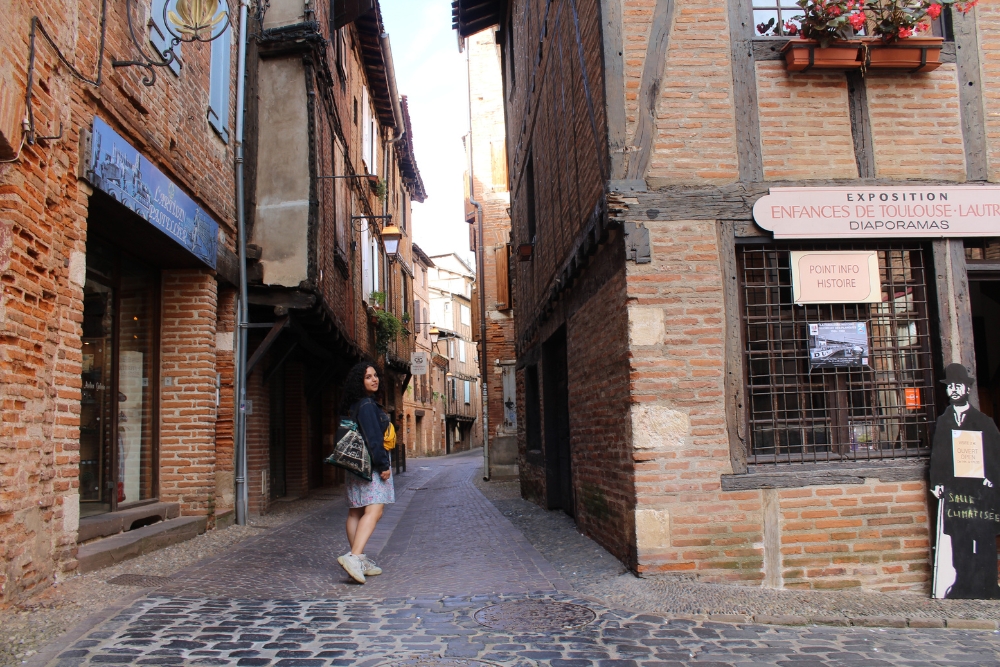
- Old town / Vieil Alby — best explored slowly, with no particular plan
- Albi Saturday market — worth timing your visit around if you can
Historical Places and Landmarks
Albi’s medieval character doesn’t come from postcard prettiness alone — it has a specific, dark historical context that makes the city make sense. In the 13th century, this part of southern France was the center of the Cathar movement, a religious sect the Catholic Church deemed heretical. The Albigensian Crusade — launched in 1209 — was one of the most brutal episodes of medieval France, and after it ended, the Church built here with a very deliberate message. The result is what you see today: architecture that projects power rather than grace.
Sainte-Cécile Cathedral of Albi
Built between 1282 and 1480, the Sainte-Cécile Cathedral is unlike almost any other Gothic church you’ll encounter. There are no flying buttresses, no delicate stone lacework on the exterior — just an enormous, unbroken wall of red brick, 113 meters long, with a tower rising 78 meters. It was designed to look like a fortress because that’s exactly what it was meant to communicate: the Church’s authority, restored after the Cathar wars.
Walk inside and everything changes. Eighteen square meters of frescoes and decorations make it the largest painted cathedral in Europe. Office de Tourisme d’Albi — the ceiling vault is a deep mineral blue, covered in Italian Renaissance-style painting completed in just three years between 1509 and 1512. Beneath the great organ is the oldest preserved representation of the Last Judgment in the cathedral, a vast, haunting mural stretching across the full width of the nave. The rood screen — a white stone carved partition separating nave from choir — is extraordinary up close.
Entry: The nave is free to visit. The Grand Choir and Treasury cost around €6, with an additional €5 for the Grand Choir alone. Climbing the bell tower gives sweeping views over the city and the Tarn.
Tip: Visit early in the morning before tour groups arrive — the light through the windows is better, and the space is genuinely peaceful.

La Maison du Vieil Alby
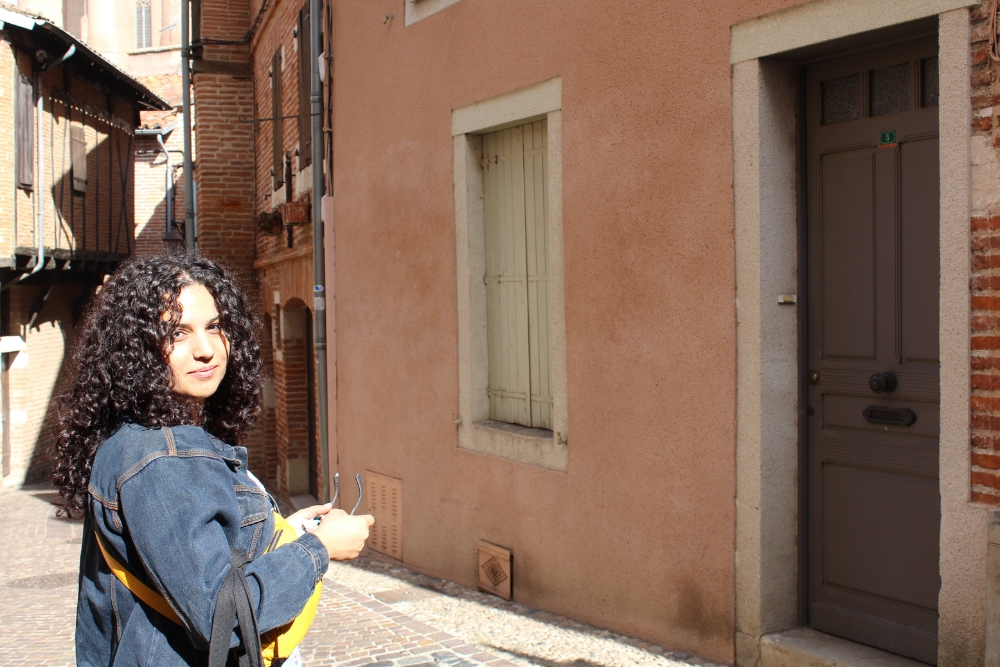
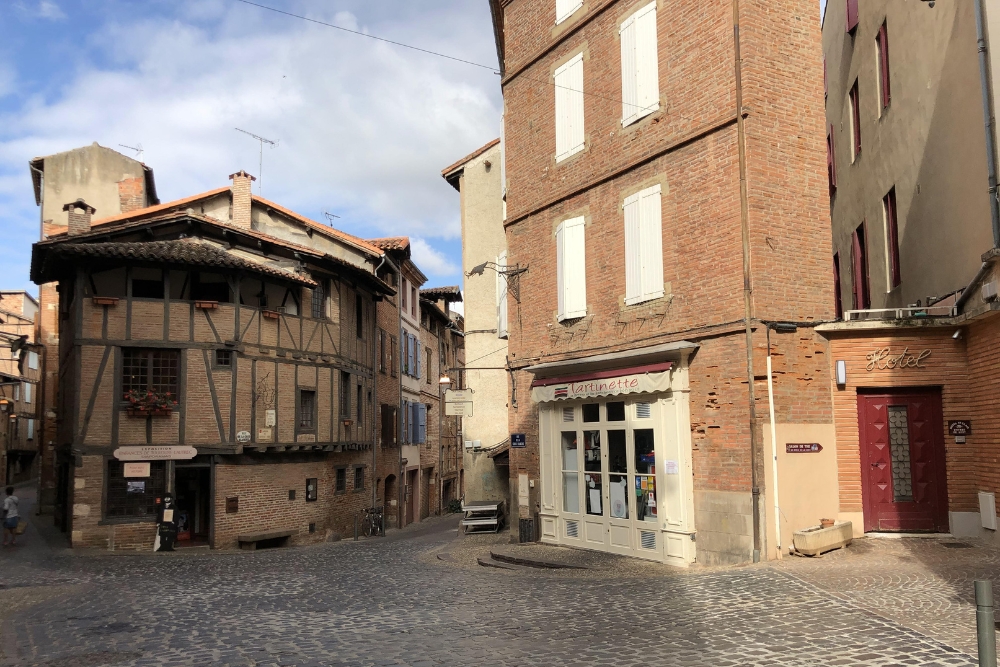
La Maison du Vieil Alby is a 16th-century half-timbered house sitting in the heart of the old town, considered one of the finest examples of medieval domestic architecture in Albi. The exterior is the main draw — the building’s wooden frame and overhanging upper floors are a good illustration of how wealthy merchants built in this part of France before brick became the dominant building material. It’s not a museum with ticketed entry; you can appreciate it from the street, making it a natural stop on any slow walk through the Saint-Salvi neighborhood.
Best Museums and Cultural Sites
Albi is surprisingly strong on museums for a city this size. Most visitors come for the Toulouse-Lautrec collection and leave having discovered a second museum they weren’t expecting to care about. Both are worth your time, and between them they cover the two things Albi is proudest of: its most famous son, and its most famous lost explorer.
Musée Toulouse-Lautrec
Most people assume that Henri de Toulouse-Lautrec was a Parisian, but he was born in Albi, and the most extensive collection of his work is held here. The museum is housed inside the Berbie Palace, the former residence of the bishops of Albi, a 13th-century fortified palace sitting directly above the Tarn River. The collection contains over 1,000 works, including his famous posters for the Moulin Rouge, and moves chronologically through his life — from early paintings made during his childhood in the Albi countryside to the cabaret scenes and intimate portraits of late 19th-century Paris that made him famous.
Even if you’re not a dedicated art lover, this museum earns its entry fee. The building itself is worth the visit, and the upper windows look directly down onto the river and the old town below. Budget at least 1.5 to 2 hours.
Tip: The Albi City Pass (€6.50) covers entry to both the museum and the cathedral — if you’re doing both, it pays for itself immediately.

Musée Lapérouse
The Lapérouse Museum is a small but fascinating tribute to the French sailor and explorer Jean-François de Galaup, Count of Lapérouse, who was commissioned by King Louis XVI and set out to circumnavigate the globe. His journey came to a mysterious end when he disappeared at sea, and his fate remained unknown until the mid-1800s, when his shipwreck was discovered.
The museum does the story justice — there are models of his ships, replicas of navigational tools, detailed maps of his routes, and artifacts retrieved from the wreck site. It maintains links with the La Pérouse Museum in Sydney, which commemorates his 1788 landing in Botany Bay. Much smaller and quieter than the Lautrec museum, it’s worth an hour of your time, particularly if you’re drawn to maritime history or the age of exploration. The square in front of the museum also offers one of the best views of the cathedral and Pont Vieux from the opposite bank.

Outdoor Activities and Parks
Albi isn’t a hiking destination or an outdoor adventure base — but it has more green space and riverside walking than you’d expect from a medieval city this compact. The best outdoor moments here are slow ones: a bench in a formal garden above the river, a walk across an old bridge at the right time of day, a market square in the early morning. None of it costs anything.
Berbie Palace Gardens
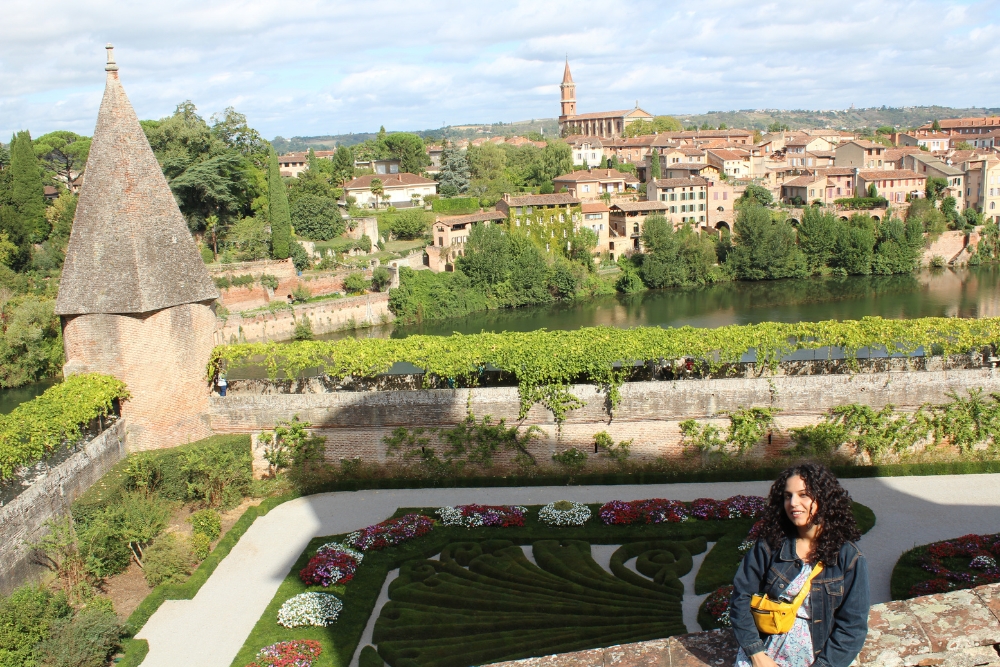
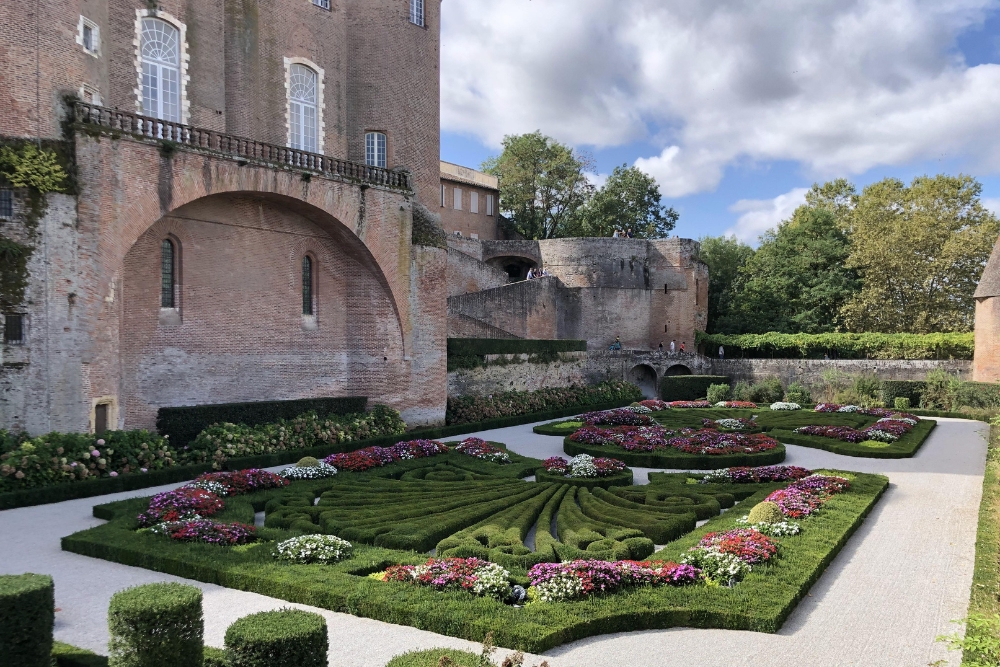
The formal gardens attached to the Berbie Palace are free to enter and are positioned at the edge of the palace terrace, overlooking the Tarn River. The gardens are a good example of classical French garden design, and the contrast between the clipped hedges and the river running below creates a view worth pausing for. Late afternoon is the best time — the light on the water is good, and the crowds from the cathedral thin out. This is an easy ten-minute detour that costs nothing.
Parc Rochegude
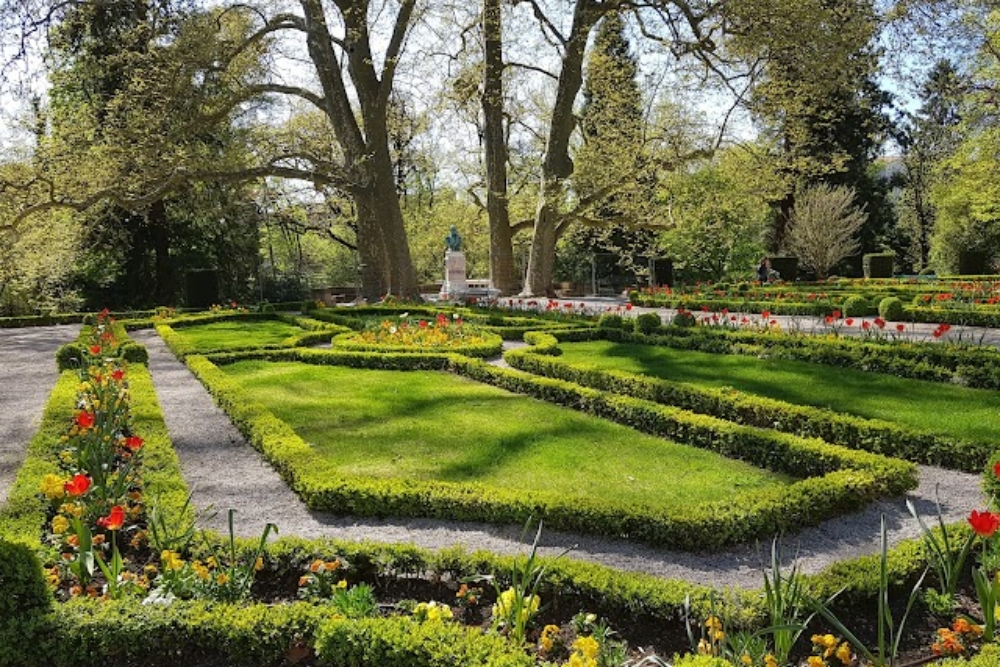
A large park on the southern end of town, calm and pleasant, with several themed garden sections including hedges, flowers, statues, a small waterfall, formal gardens, and open lawn space. Not a must-do if your time is short, but a good option for a slow morning or for somewhere to sit that isn’t a café terrace. Free to enter.
© Mapstr
Walking the Tarn and Pont Vieux
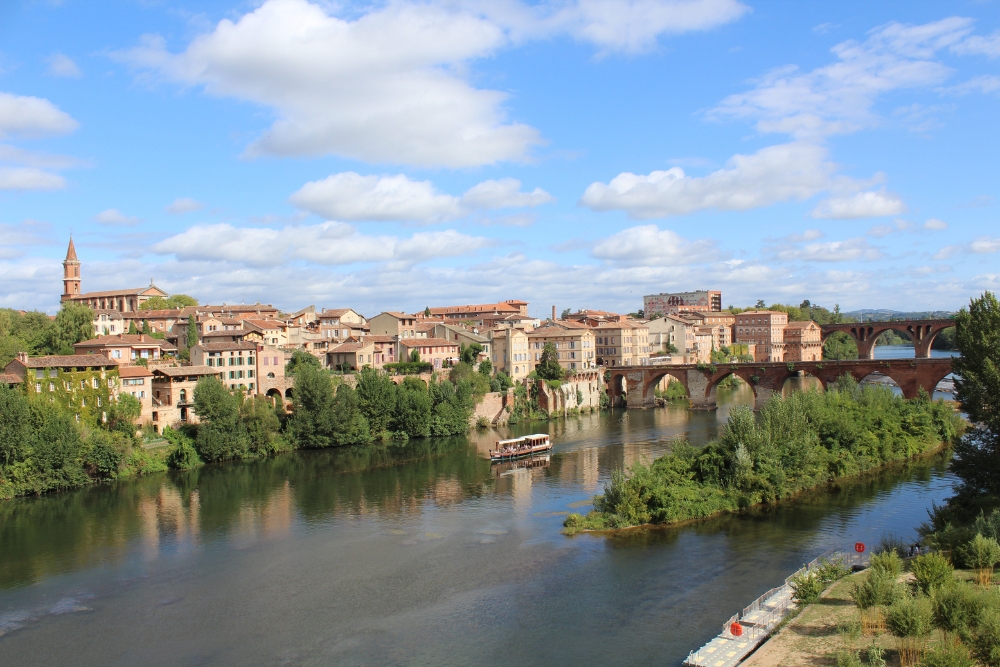
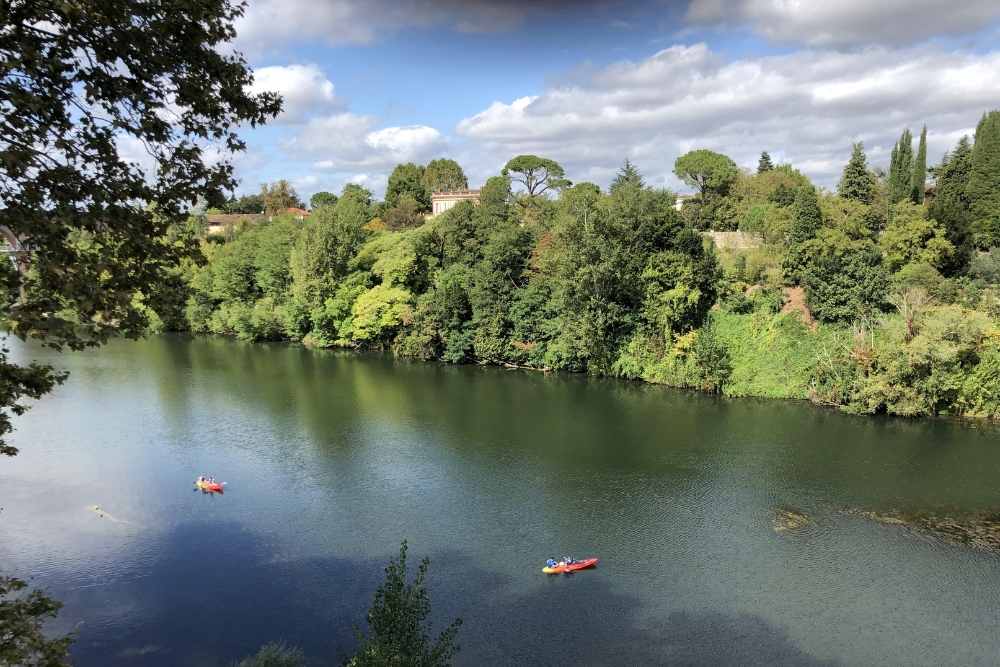
Don’t leave Albi without crossing the Pont Vieux — the old bridge — and turning around to look back at the city. The view from the north bank of the Tarn looking back toward the cathedral and old town is one of the best in the city, particularly in early morning or late evening light. The square in front of the Lapérouse Museum gives a slightly different angle, with the bridge framed in front of the cathedral. Walk both.
Free Things to Do in Albi
Albi is a genuinely budget-friendly destination. Here’s what you can do without spending a euro:
- Walk Vieil Alby (the old town) — the streets around the cathedral quarter, the Saint-Salvi neighborhood with its narrow lanes, and Place Savène are all free to explore and genuinely beautiful
- Cathedral nave — free entry; only the choir and treasury require a ticket
- Berbie Palace Gardens — free, with river views
- Pont Vieux and the riverbanks — free; the best photography spot in the city is here
- Place du Château — free viewpoint with a #Albi sign, views of the train bridge, and an unusual angle on the cathedral tower
- Cloître de Saint-Salvi — a set of Romanesque and Gothic cloisters tucked off Rue Sainte-Cécile, easy to miss but free to enter, with a peaceful garden courtyard surrounded by carved arches
- Saturday morning market — free to browse (more below)
Albi Market Day
Albi’s main open-air market takes place every Saturday morning. There are also markets on Tuesdays and Wednesdays. The Saturday market spreads through the central streets near Place du Vigan and is the most worthwhile for visitors — local produce, cheese, honey, flowers, seasonal vegetables, and crafts. Booksellers set up on Wednesdays and Saturdays on Rue Mariès, and a flea market runs Saturday mornings under the hall at Castelviel.More information on: Office de Tourisme d’Albi
If you’re timing your trip, a Saturday arrival is ideal: hit the market first thing, then the cathedral, then the Lautrec museum in the afternoon when the morning rush has settled.
What to Do in Albi for a Day: A Suggested Itinerary
One day is enough to cover everything that matters. Here’s a practical sequence:
Morning: If it’s a Saturday, start at the market near Place du Vigan — it opens around 8:00. Then walk to the cathedral; arrive by 9:30–10:00, before the tour groups. Spend 45–60 minutes inside, including the painted ceiling and the rood screen. If you want the tower climb, do it now before it gets busy.
Late morning: Walk directly to the Musée Toulouse-Lautrec (a two-minute walk from the cathedral, inside the Berbie Palace). Allow 1.5 to 2 hours.
Lunch: The streets around Place Sainte-Cécile have a mix of affordable lunch options — look for the menu du jour at any brasserie, which will give you two or three courses for a fixed price, usually €12–16. It’s the best-value way to eat well in France.
Afternoon: Berbie Palace Gardens for the river view, then cross over to the north bank via Pont Vieux, turn back, and take your photos. Walk along the bank to the Lapérouse Museum square for the second-best city view. If you have energy left, the Lapérouse Museum itself takes around 45 minutes.
Late afternoon: Wander back through the old town — the Saint-Salvi neighborhood and the cloître are quieter at this hour. Find a café terrace for a drink before heading back to the station.
Is Albi Walkable?
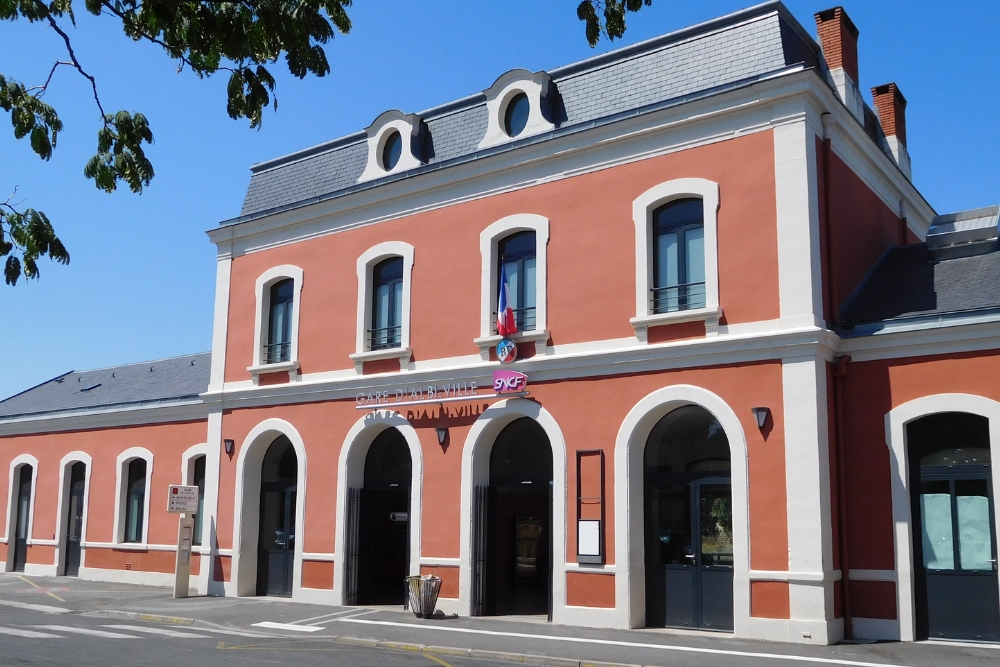
Yes — completely. The historic center is compact and almost entirely flat or gently sloping. From the train station (Albi-Ville) to the cathedral is under ten minutes on foot. The main sights — the cathedral, the Lautrec museum, the Berbie gardens, and the Pont Vieux — are all within a five-minute walk of each other. The Lapérouse Museum is slightly farther across the river, but still only a 10–15-minute walk from the cathedral. You don’t need any transport to see everything on this list.
How to Get to Albi from Toulouse
By Train (Recommended)
The train is the easiest and most practical option. There are 17 trains per day running from Toulouse to Albi Ville, with the first departure at 06:04 and the last at 21:25. The journey covers 76 km in around 1 hour 6 minutes, with the fastest services taking 56 minutes.
Tickets start from €1 when booked in advance through SNCF Connect. You arrive directly at Albi-Ville station, a short walk from the old town.
Book through sncf-connect.com. Buy in advance for the best prices; on-the-day tickets cost more.
By Car
Around 75–80 km via the A68 motorway — roughly one hour without traffic. Useful if you’re combining Albi with a stop at Cordes-sur-Ciel or another nearby village. Paid parking is available near the cathedral.
By Bus
Regional buses serve the route, run by the Occitanie regional network. Slower than the train and less frequent, but cheaper. Check current schedules at mobigo.laregion.fr.
Tourist Map of Albi, France
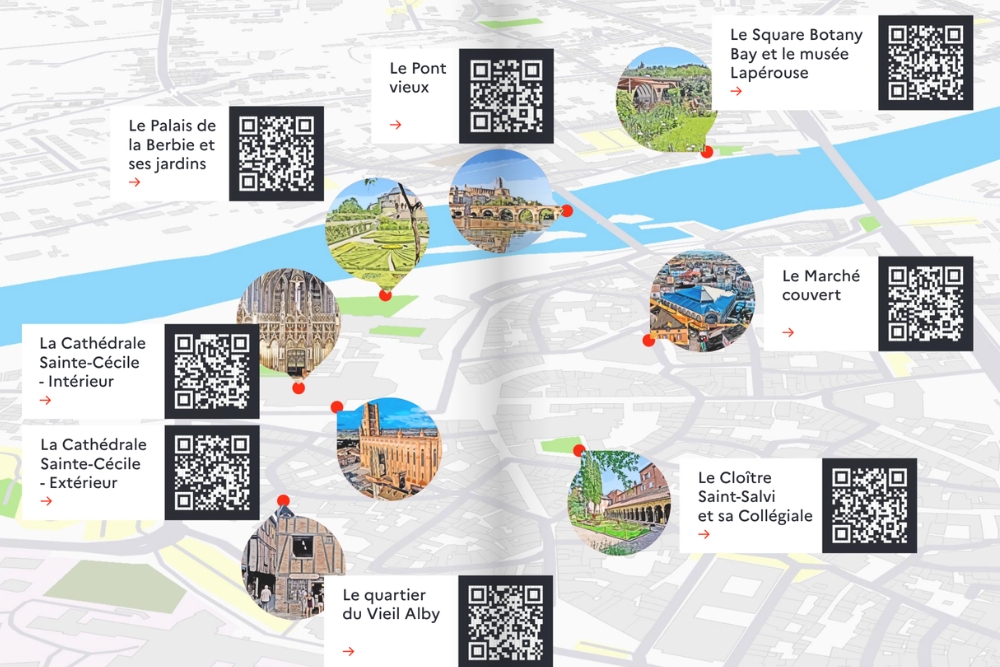
The Albi tourist office is located near Place Sainte-Cécile, directly opposite the cathedral. They stock free printed maps of the city and sell the Albi City Pass (€6.50), which includes entry to the Lautrec museum and the cathedral choir. The official Albi tourism website (https://www.albi-tourisme.fr/en/practice/our-brochures/ also has a downloadable map and current opening hours for all sites.
Booking Tours in Albi
If you’d prefer a guided introduction, the tourist office runs guided tours of the cathedral — particularly worth it in summer, when you can join the priest’s tour. A city petit train also departs from Place Sainte-Cécile, covering the historic center and the right bank in 40 minutes with multilingual audio commentary.
For online booking with flexible cancellation, platforms like GetYourGuide offer half-day and full-day tours that combine Albi with nearby destinations such as Carcassonne or Cordes-sur-Ciel.
