
Atlas Studios Morocco: Inside Africa’s Hollywood (And Is It Worth Visiting?)
Morocco has been quietly hosting some of the biggest productions in cinema history for over 60 years. If you love film and you’re heading to Ouarzazate, this guide covers everything — what was filmed here, what sets are still standing, and exactly what to expect when you visit.
It started with the landscape. Morocco offers something almost no other country can: desert, mountains, ancient kasbahs, sprawling medinas, and Atlantic coastline, all within a few hours of each other. For filmmakers seeking to recreate ancient Persia, biblical Jerusalem, sub-Saharan Africa, or medieval Arabia without traveling to those places, Morocco is a gift.
Add in production costs significantly lower than Europe or the US, generous government tax incentives for foreign productions, reliable sunshine for most of the year, and proximity to European studios, and you understand why Hollywood keeps coming back.
Ouarzazate specifically became the center of it all. Sitting at the edge of the Sahara, surrounded by kasbahs and the dramatic Draa Valley, it offered the perfect base for desert epic productions. Two major studios — Atlas and CLA — were built here, and the city earned itself the nickname “the Hollywood of Africa.”
Atlas Studios — What You Actually See When You Visit
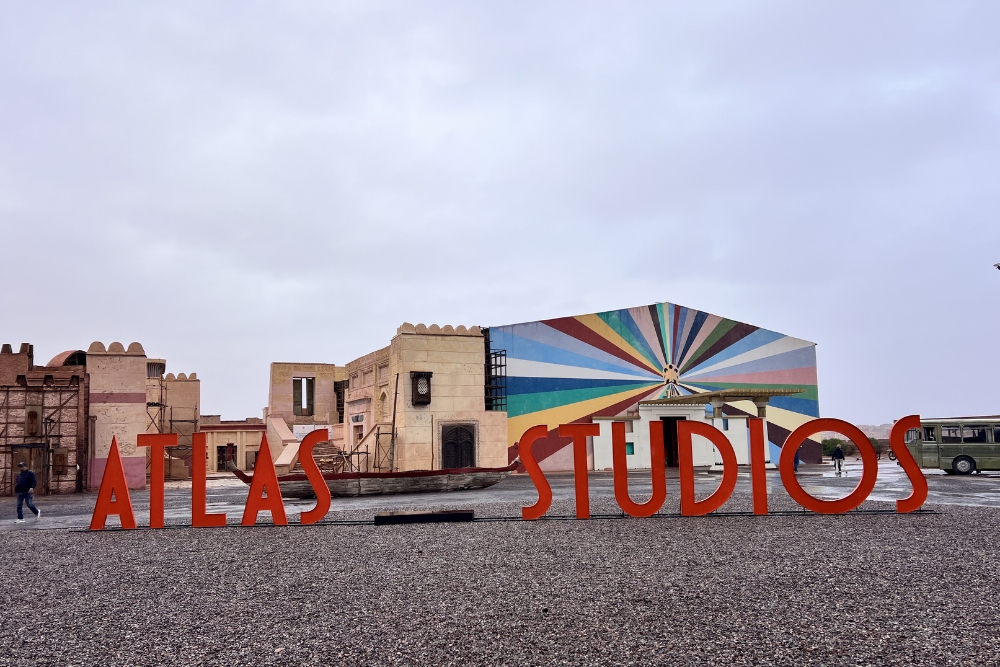
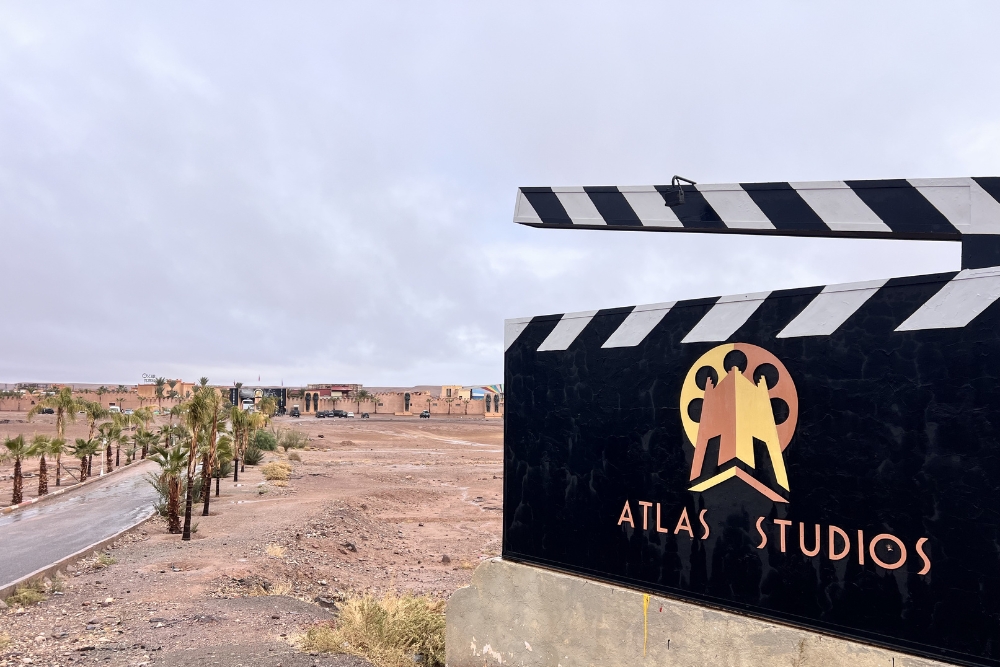
Atlas Studios was founded in 1983 and spans a large area just outside Ouarzazate, approximately 5 km from the city center. It’s one of the largest film studios in the world by land area, though that figure can be misleading: much of the space is open backlot rather than enclosed stages. It’s still an active studio, so parts of it are occasionally closed during production. Most of the time, visitors can walk through the permanent sets freely.
This is not a theme park. There are no rides, no actors in costume, no staged experiences. You walk around mostly on your own, looking at real sets used in real films, and connecting the dots between what you’re seeing and what you remember from the screen. For the right kind of visitor, that’s actually better.
What You’ll See Inside
The permanent backlot contains sets from across decades of productions. The most impressive are:
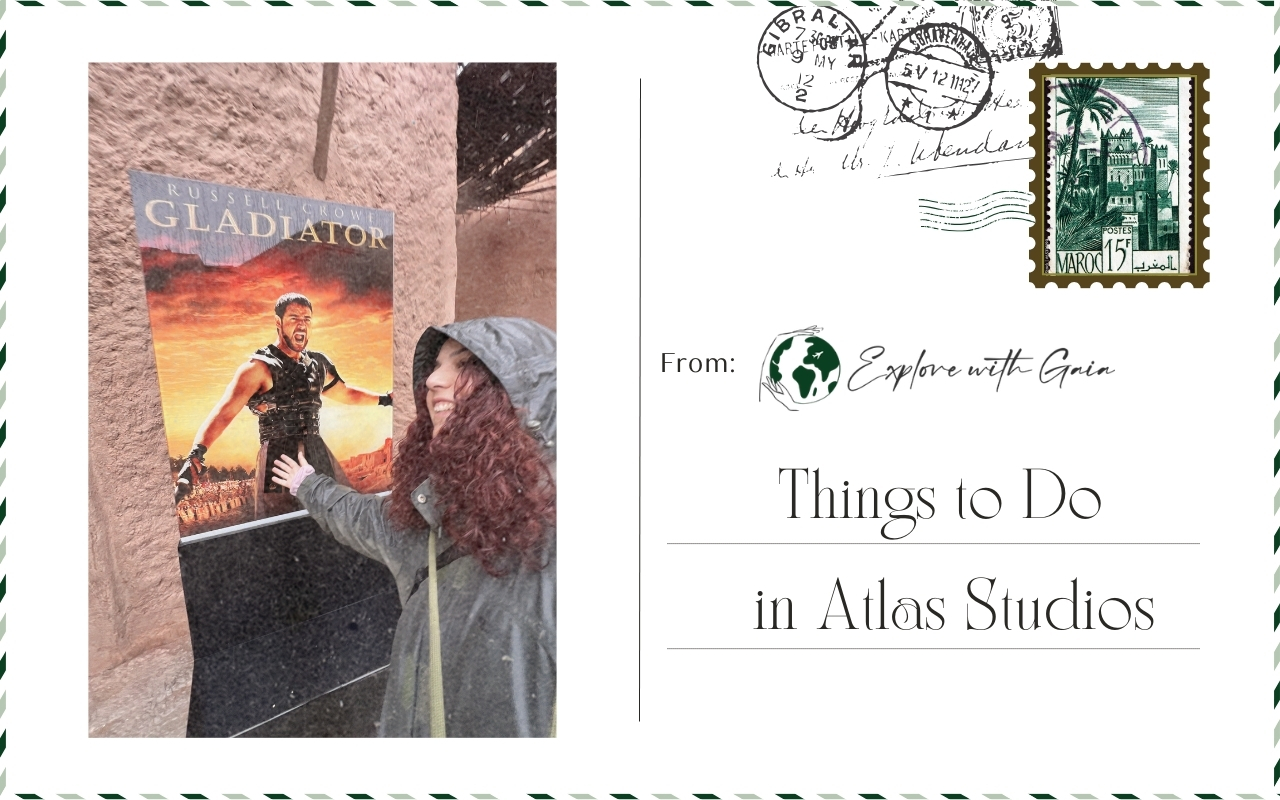
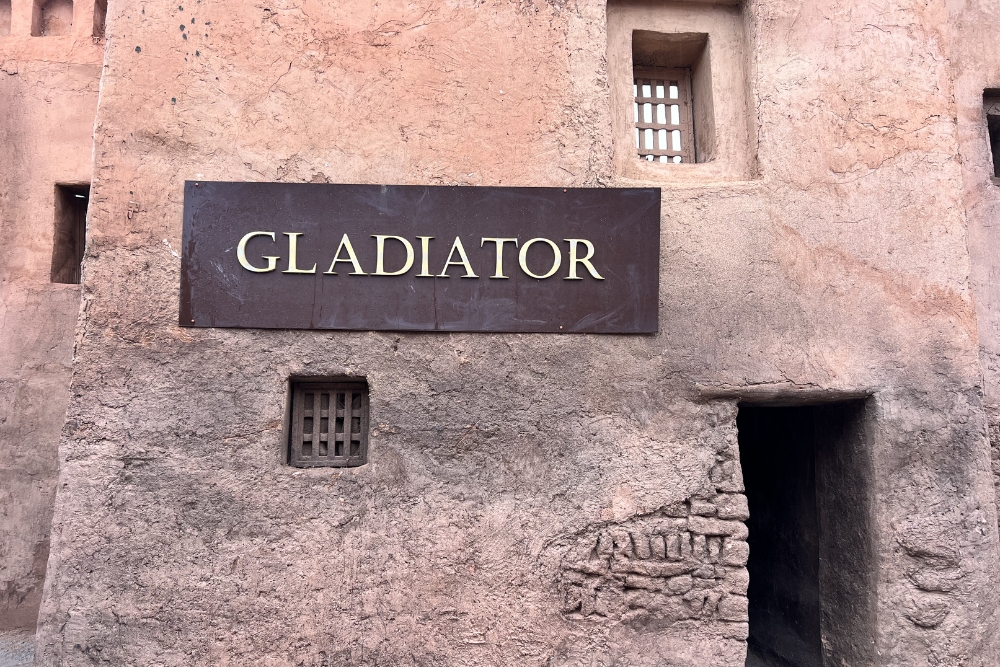
The Roman city (Gladiator): Columns, archways, partial street facades — clearly a Roman provincial town. You can walk through the same streets Maximus walked. The scale is smaller than the film suggests (camera magic), but the detail is real.
The Tibetan monastery (Kundun): Buddhist architecture, prayer wheels, and carved wooden details, completely incongruous in the middle of Morocco. Strangely moving.
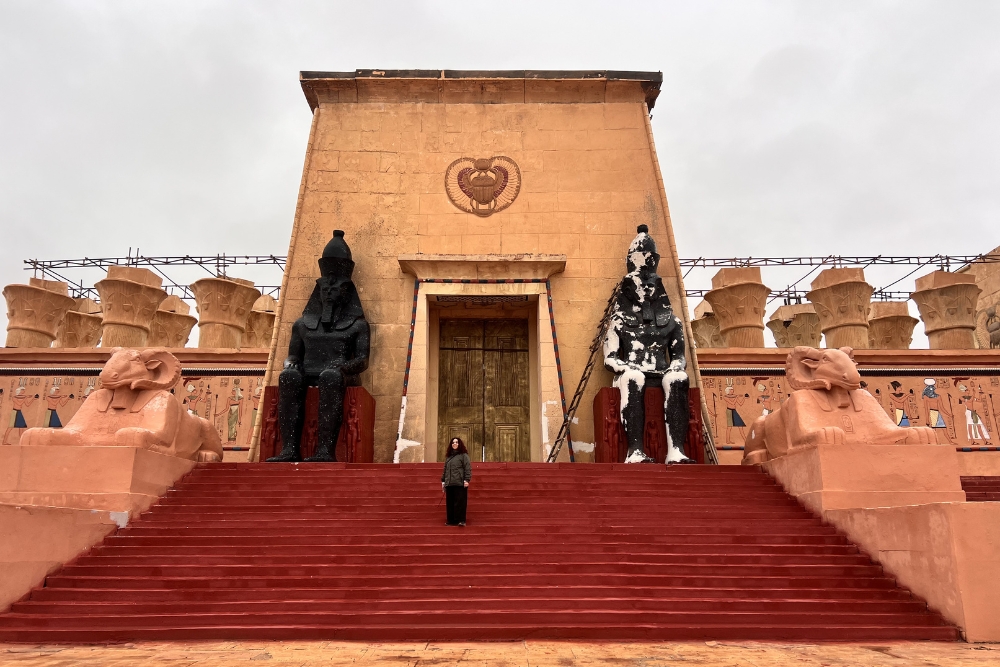
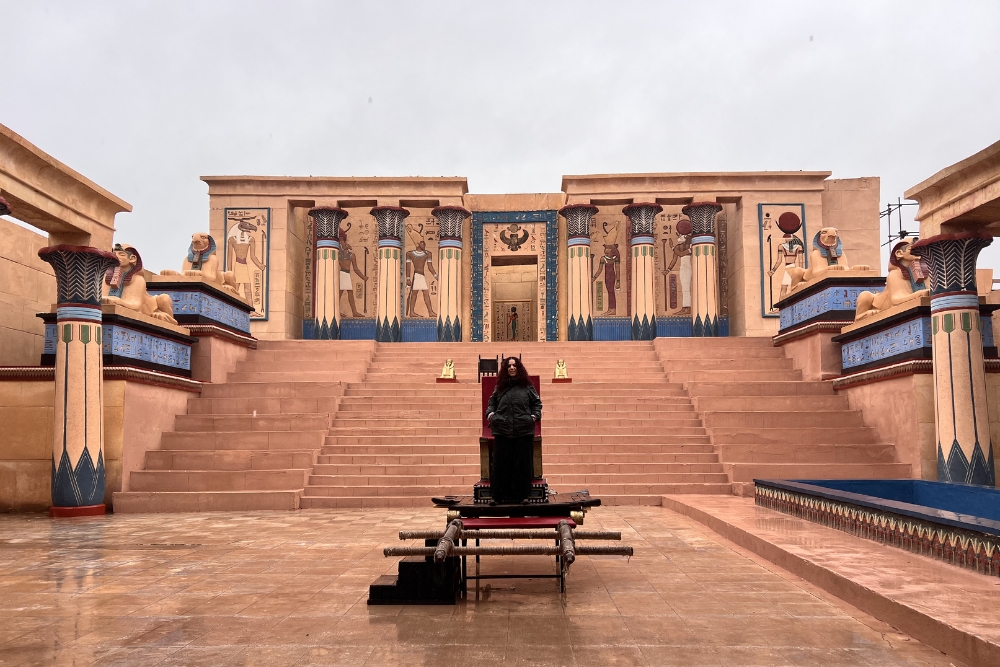
Egyptian temple structures: Large-scale columns and decorated facades from various ancient world productions. Photogenic even if you can’t place exactly which film they’re from.
Ancient city gates and walls: Used across multiple productions — the gates blur together a bit, but they’re impressive up close.
Various interior spaces: Throne rooms, palace interiors, stone corridors — smaller but atmospheric.
Honest note: some sets are more preserved than others. Weather and time have done their work. A few facades are clearly showing age and lack of maintenance. Don’t expect pristine museum-quality displays — expect a working backlot that happens to be open to the public.
Practical Information
- Opening hours: Generally 8:00 AM – 6:00 PM (confirm locally as hours can vary seasonally)
- Entry fee: approximately 100 MAD per person (2025 — verify on arrival)
- Cash only — not optional and not posted in advance. Bring dirhams.
- Guided tours: Available on-site at an additional cost; guides will give you film context for each set. Worth it if you’re a real film fan.
- Self-guided: Possible, and what we did, though the context is limited without a guide
- Photography: Allowed throughout
- Official website: www.studiosatlas.com
- Getting there: A grand or a petit taxi from Ouarzazate center costs around 100 MAD per person. Or hire a grand taxi for the day to combine with a visit to Aït Ben Haddou (~300–400 MAD per vehicle).
CLA Studios — The One Most Tourists Miss
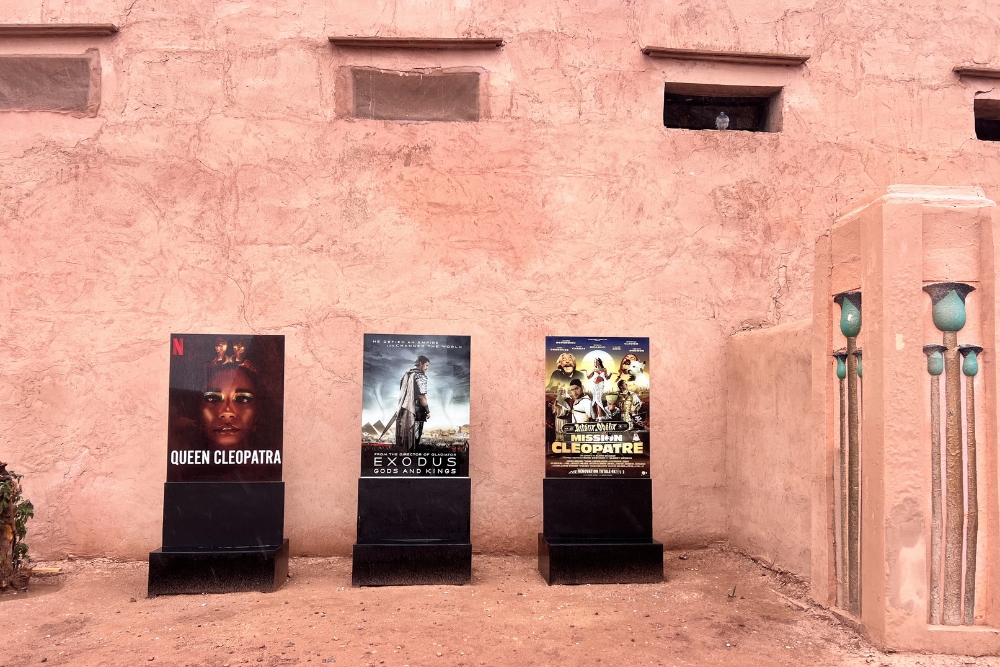
About 1 km from Atlas Studios sits CLA (Cité des Artes et du Cinéma), Ouarzazate’s second major studio. Smaller and less visited, CLA has hosted an impressive roster of productions, including Asterix & Obelix: Mission Cleopatra, The Living Daylights, and various French and Italian films.
It’s closed now, and all the film-related decorations are in Atlas Studio.
The Most Famous Films & TV Shows Shot in Morocco (And What Remains)
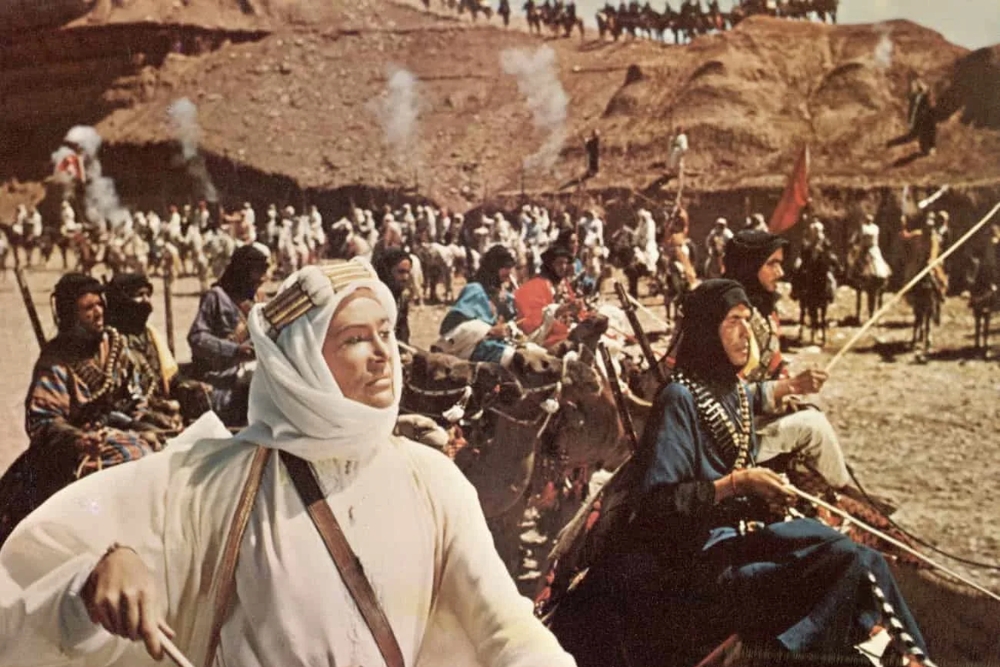
Lawrence of Arabia (1962)
The film that started Morocco’s relationship with Hollywood. Much of the desert footage was shot in the Ouarzazate region and the Sahara around Zagora. There are no standing sets from this production — it predates the studios — but the landscape that captivated David Lean is still exactly as vast and unbroken as it was then.
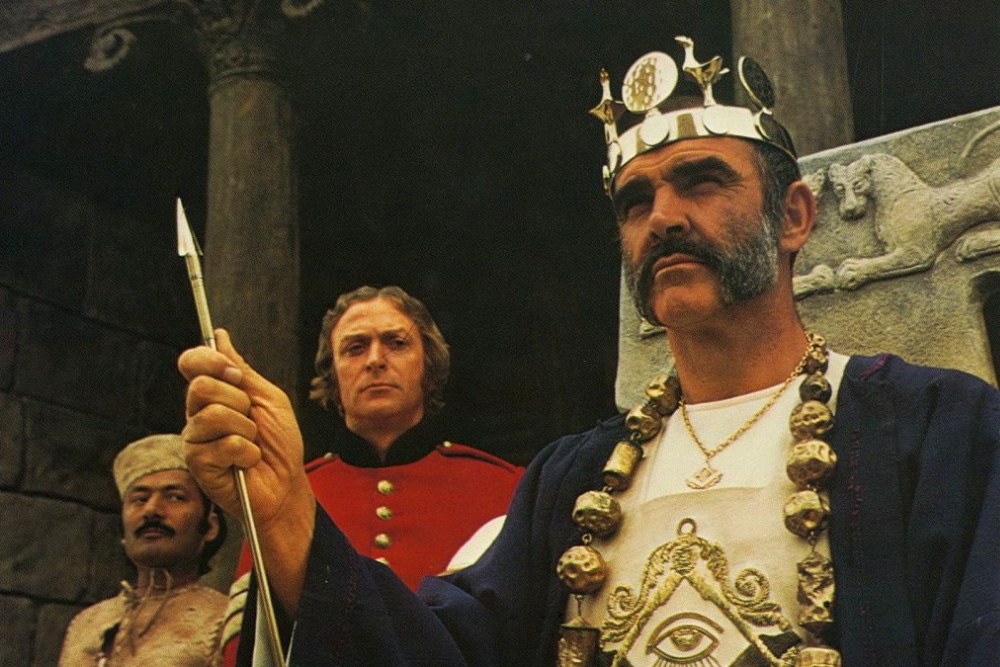
The Man Who Would Be King (1975)
John Huston used Morocco’s Atlas Mountains to double for the Kafiri mountains of Afghanistan. Filming took place around Ouarzazate and in the High Atlas. No permanent sets remain, but the mountain scenery north of the city still looks strikingly close to what made it into the film.
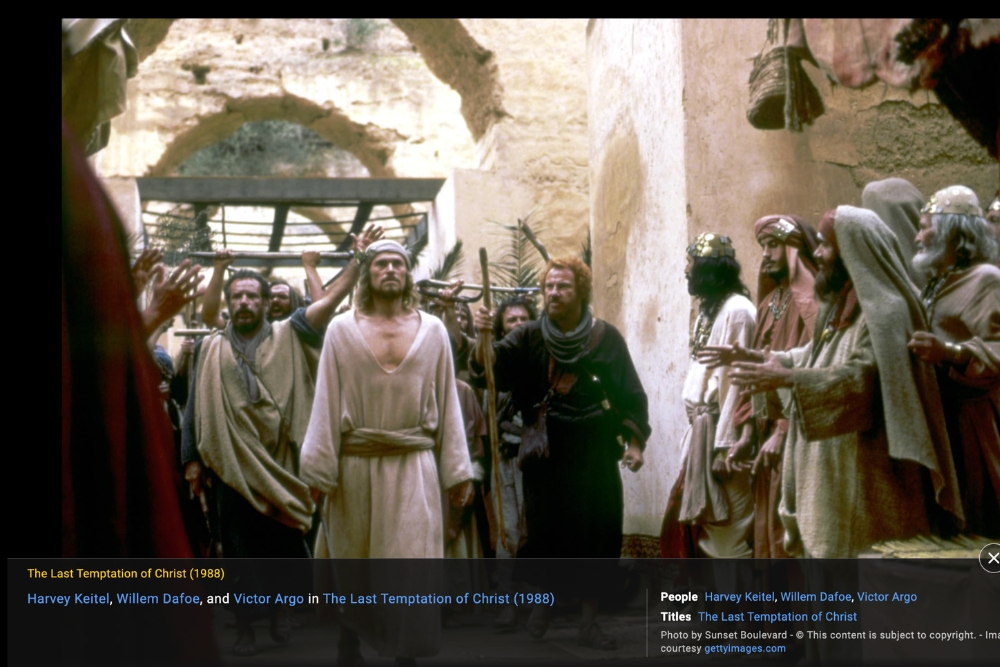
The Last Temptation of Christ (1988)
Martin Scorsese filmed this controversial biblical epic largely in and around Ouarzazate, using the kasbahs and desert villages as ancient Palestine. Some of the village structures used during filming still exist near the studio, though they’re not formal tourist attractions.
The Jewel of the Nile (1985)
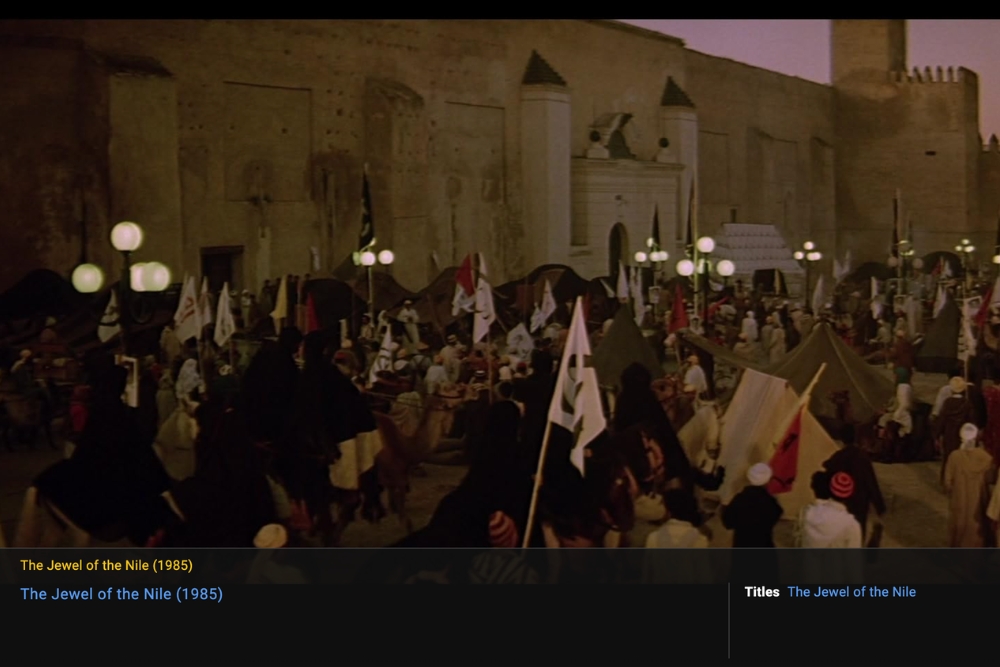
Shot partially at Aït Ben Haddou and in the surrounding region. The ksar’s dramatic appearance made it a natural stand-in for an ancient African fortress city. The ksar itself remains, UNESCO-listed and still partially inhabited, one of the best-preserved earthen architecture sites in the world.
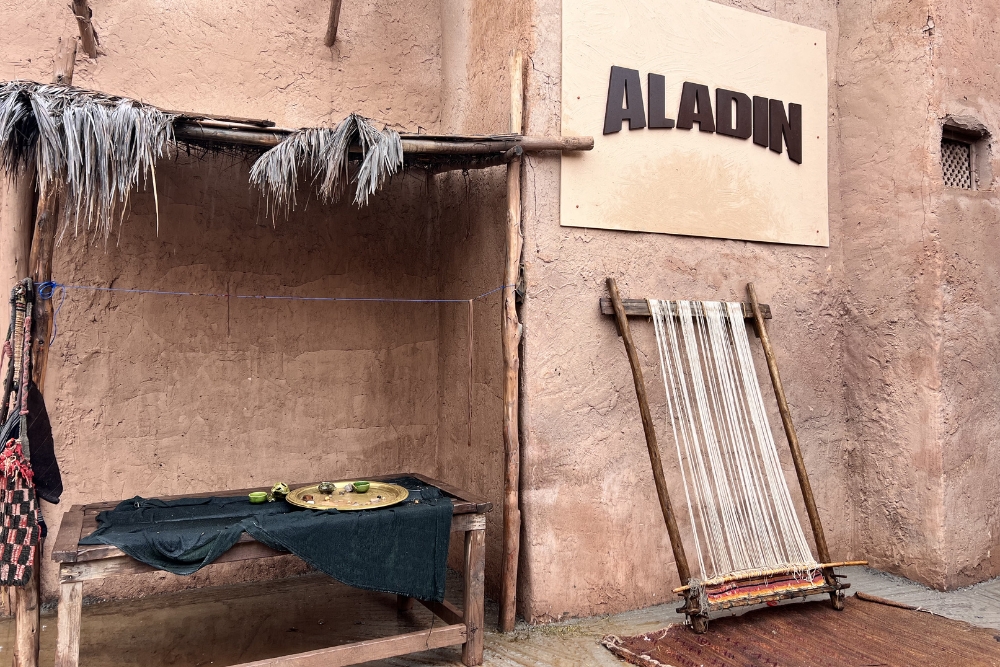
Aladdin (2019)
Disney’s live-action remake of the classic used Atlas Studios for parts of the fictional city of Agrabah — specifically the marketplace and bazaar scenes. You may not immediately recognize it, but the slave market set originally built for Gladiator was reused here to recreate the bustling streets where Aladdin and Abu duck through crowds.
What remains: The same Roman-era market set doubles across multiple productions, which is one of the more interesting things about Atlas Studios — the same walls appear in completely different films depending on the dressing applied to them.
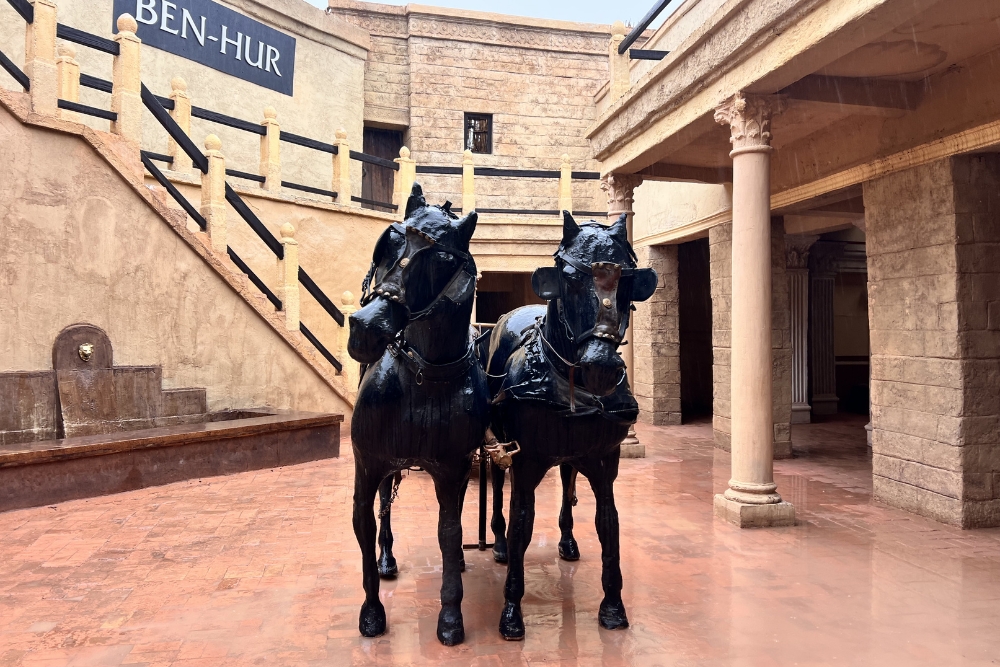
Ben-Hur (2016)
This is the 2016 remake — not the legendary 1959 Charlton Heston version, which was shot in Rome. Timur Bekmambetov’s retelling of the story of Judah Ben-Hur, a Jewish prince falsely condemned to slavery by his Roman stepbrother, brought its ancient world production to Atlas Studios.
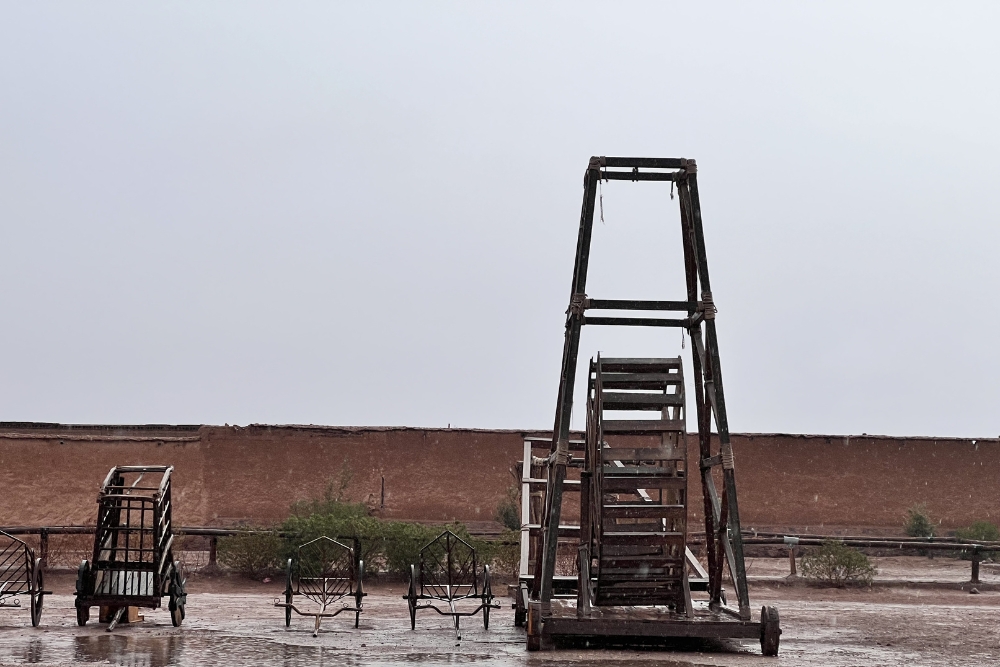
What remains: A Roman villa courtyard with mosaics and sculptures built for this production still stands on the backlot, and faux chariots from the film can be spotted on the studio grounds. It was a notorious box office flop, but the sets it left behind are genuinely impressive up close.
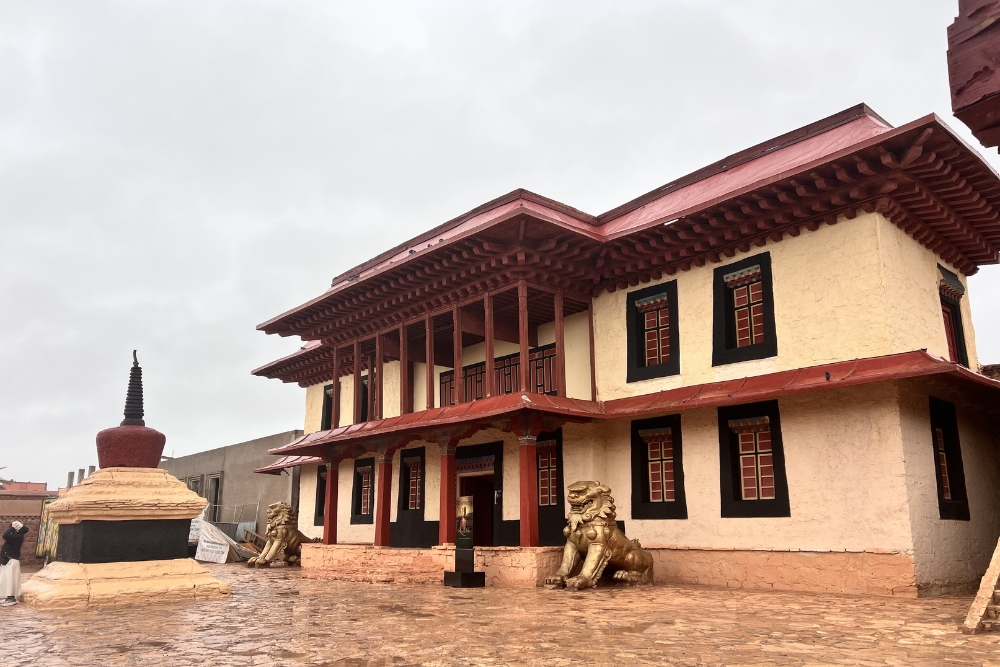
Kundun (1997)
Scorsese returned to Morocco for his biography of the Dalai Lama. Atlas Studios built an elaborate Tibetan monastery set for this production.
What remains: A Tibetan-style structure is still standing inside Atlas Studios today — one of the most atmospheric sets you’ll walk through. The contrast between Buddhist architecture and the Moroccan desert backdrop is striking and compelling.
The Mummy (1999)
A mix of locations across Morocco: the medina of Marrakech for the bazaar and city scenes, Erfoud and the Erg Chebbi dunes for the desert sequences, and studio work done at Atlas.
What remains: No dedicated standing set from this production, but the Marrakech medina and Erfoud dunes are essentially unchanged — they look almost identical to what’s in the film.
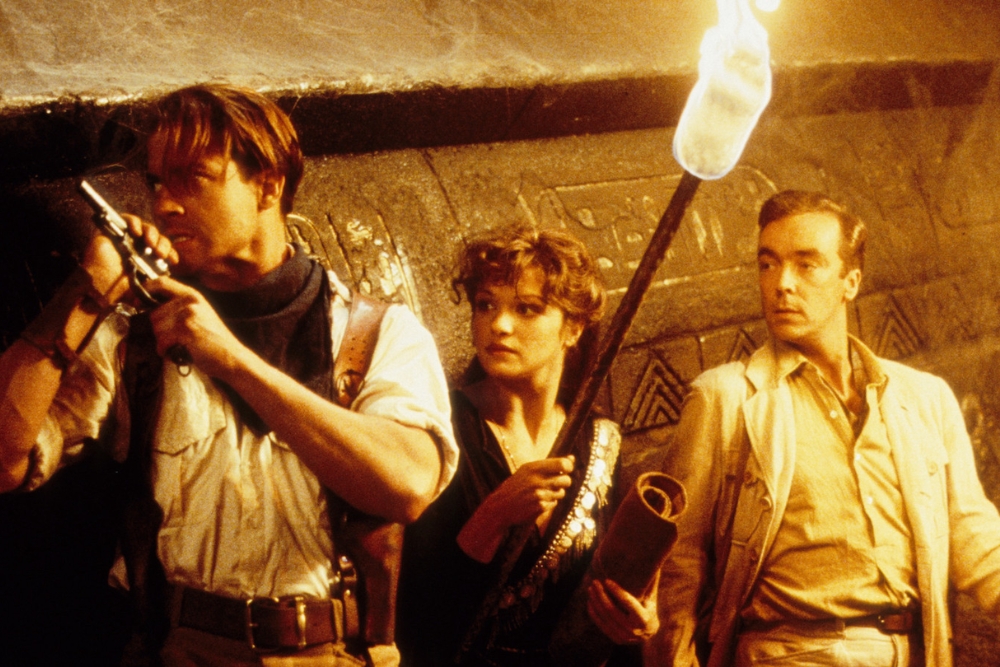
Gladiator (2000)
Perhaps the most famous Atlas Studios production. Ridley Scott built a massive Roman city set here for the sequences set in Zucchabar, the North African provincial town where Maximus is sold into slavery and begins his gladiatorial career. The scenes of Maximus walking through the sand, preparing to fight — those were shot right here.
What remains: Roman columns, archways, and partial street facades are still standing inside Atlas Studios. They’re weathered and worn now, which somehow makes them feel even more cinematic. This is the set most visitors come to see.
Black Hawk Down (2001)
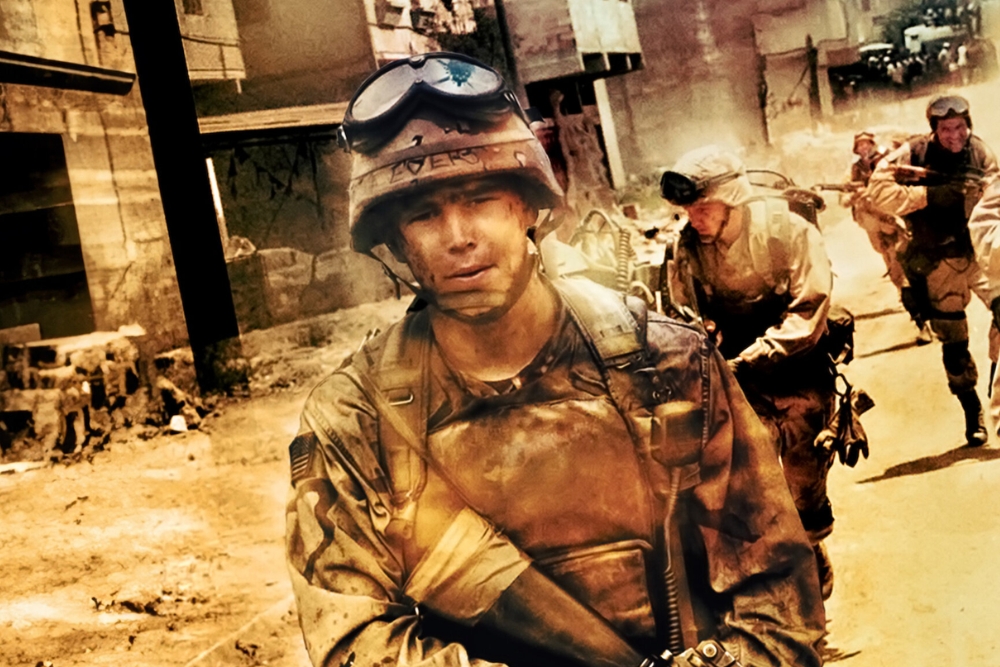
Ridley Scott filmed his Somalia rescue-mission drama largely in Morocco, using Salé (across the river from Rabat) to recreate Mogadishu’s streets. The production was massive, involving hundreds of extras and significant construction. No studio sets remain from this production — the locations used were actual city streets.
Alexander (2004)
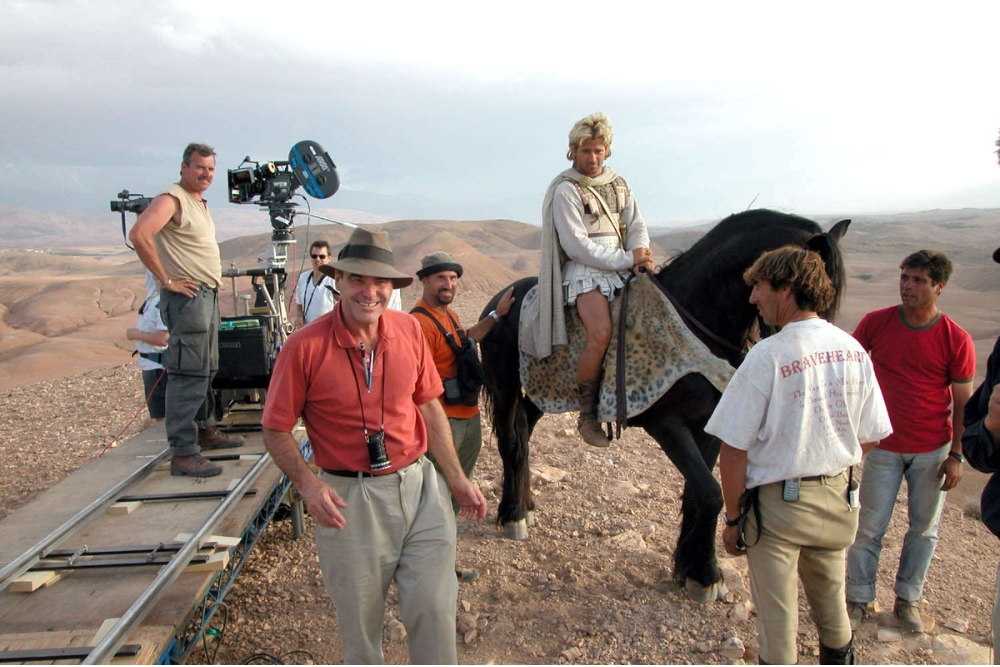
Oliver Stone brought his epic about Alexander the Great to Morocco, filming battle sequences and Persian city scenes in and around Ouarzazate.
What remains: Some of the large-scale set pieces from this production contributed to the permanent backlot at Atlas Studios.
Kingdom of Heaven (2005)
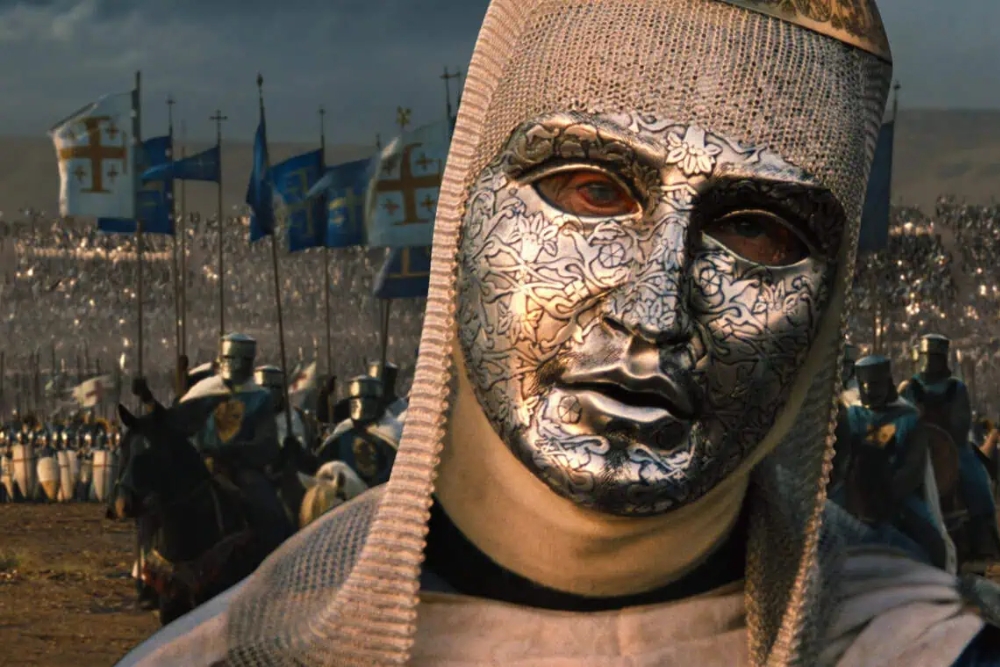
Ridley Scott’s epic Crusades used Morocco extensively — the gates of Jerusalem, desert battle sequences, and the city of Kerak were all filmed around Ouarzazate and Aït Ben Haddou.
What remains: Elements of the city gate and fortification sets built for this production are partially preserved at Atlas Studios. Aït Ben Haddou itself featured prominently and is, of course, still very much there.
Babel (2006)
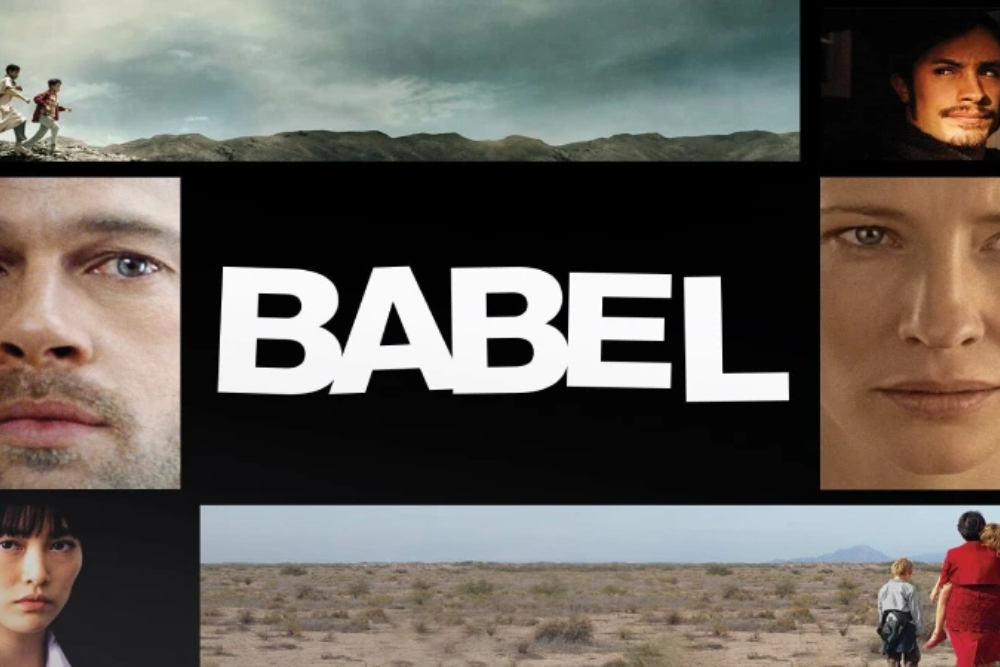
Alejandro González Iñárritu filmed the Moroccan thread of this multi-story film in a remote Berber village near Taguenzalt, south of Ouarzazate. The village used — Taguenzalt — is a real, inhabited place and looks today almost exactly as it did in the film. No studio involvement; this was location filming in an actual community.
Prince of Persia: The Sands of Time (2010)
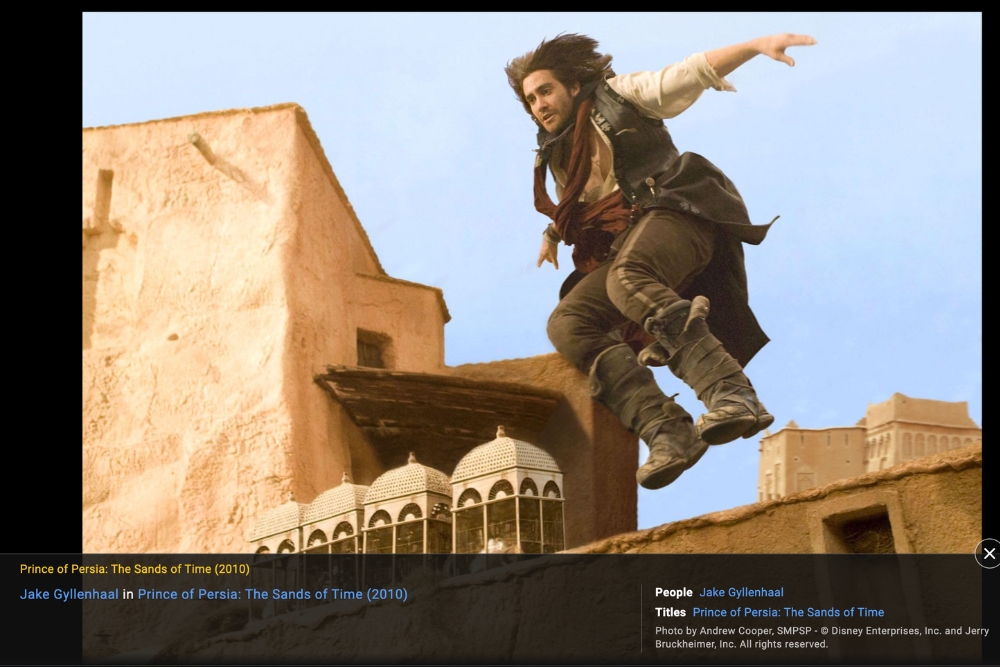
Ancient Persia was largely recreated in Morocco, with filming at Atlas Studios, Aït Ben Haddou, and in the Ouarzazate region.
What remains: Persian-style architectural elements were incorporated into the Atlas Studios backlot.
Game of Thrones (Multiple seasons)
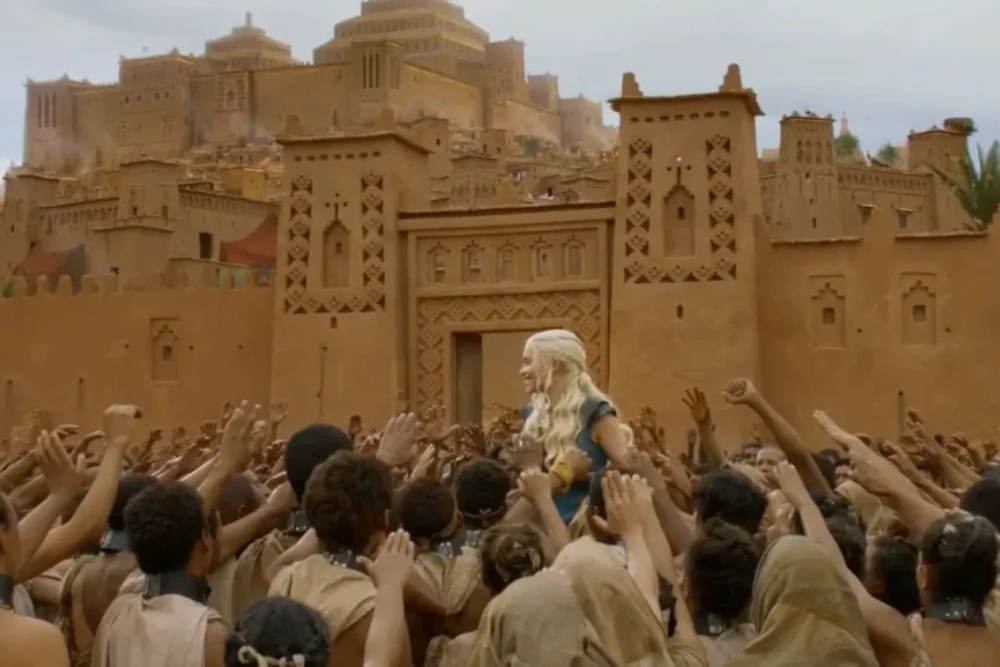
Aït Ben Haddou served as the slave city of Yunkai in Season 3, and various locations around Ouarzazate doubled as Essos cities. The scenes of Daenerys standing outside the gates of Yunkai — that’s Aït Ben Haddou.
What remains: The ksar is completely unchanged. Walk up to the top, and you can frame it exactly as it appears in the show.
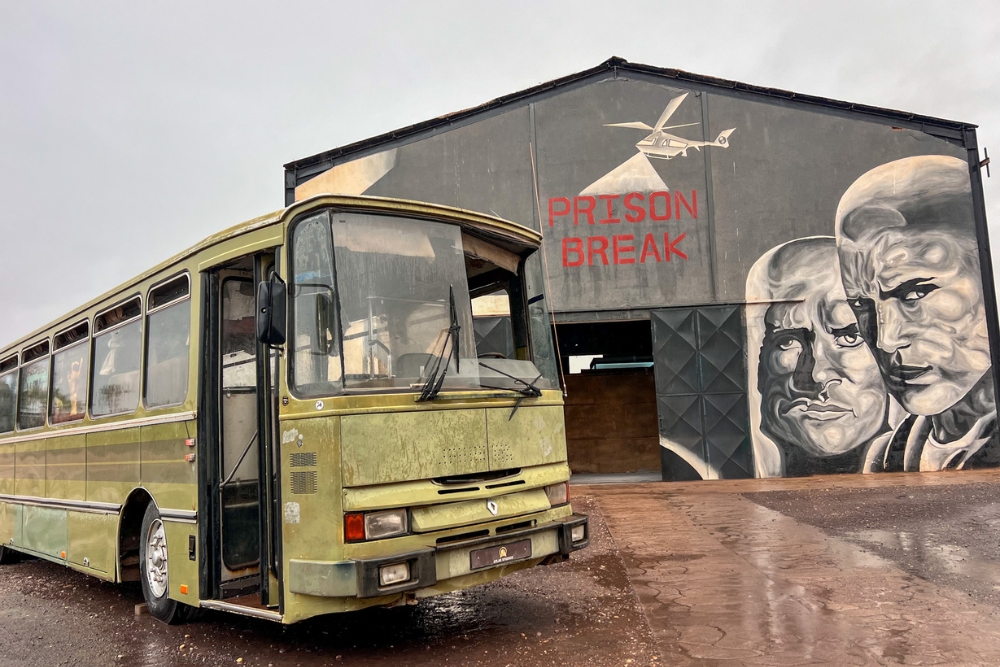
Prison Break — Season 5 (2017)
When the writers decided to resurrect the show and set it in Yemen, they didn’t actually go to Yemen — they came to Ouarzazate. Atlas Studios doubled as a Yemeni prison city, with the desert landscape and existing set infrastructure making it a convincing stand-in for the Middle East.
What remains: A bus used during production is still sitting on the backlot. It’s one of those oddly specific details that makes visiting Atlas Studios fun — you turn a corner and there it is, slightly rusted, completely out of context, and immediately recognizable if you watched the show.
Other Notable Productions
Morocco has also hosted filming for Othello (1952, Orson Welles), Asterix & Obelix: Mission Cleopatra (2002, at CLA Studios), Spy Game (2001), Sex and the City 2 (2010, Marrakech), John Wick: Chapter 3 (2019, Marrakech), and numerous French productions. The country’s medinas, particularly Marrakech and Fes, appear in more productions than can be fully listed here.
Aït Ben Haddou — Honestly, More Impressive Than the Studios
I have to be straight with you: if you only have time for one thing in Ouarzazate, skip the studios and go to Aït Ben Haddou.
This UNESCO World Heritage ksar, 30 km from Ouarzazate, is a genuine ancient earthen city—partly inhabited, dramatically beautiful, and the filming location for more productions than almost anywhere else in Morocco. It’s not a set. It’s a real place that looks extraordinary on film.
Films shot here include: Lawrence of Arabia, The Jewel of the Nile, Gladiator, Kingdom of Heaven, Game of Thrones (the slave city of Yunkai), Babel, Prince of Persia, and many more.
As you walk through the ksar, you’ll recognize the views from multiple productions. The top offers a panoramic view of the Draa Valley, which appears in more films than you can probably count.
Is Atlas Studios Worth Visiting? My Honest Take
Our visit to Atlas Studios didn’t go as planned. It was a grey, rainy morning in Ouarzazate when my boyfriend and I decided to go, the only independents—no tour, no driver—just us heading to one of the world’s largest film studios.
The road was muddy and flooded, ankle-deep puddles and thick mud, with no staff around to warn us. Inside, they only accepted cash—no mention of it—causing a moment of panic until we pooled enough dirhams. Despite being wet and ridiculous, I thought: I’m standing where Gladiator was filmed, in ancient Rome. That feeling made the muddy, cash-scrambling, boot-ruining trip worth it. Yes, worth it—if you have the right expectations.
Go if: You’re a film fan who gets a genuine thrill from standing in locations you’ve seen on screen. You appreciate the strange beauty of a Roman city in the Moroccan desert. You’re happy to use your imagination to fill in the gaps between the weathered sets and what you remember from the films.
Think twice if: You’re expecting a polished theme park experience with explanations and context at every turn. You’re traveling without much time and need to prioritize. You’re visiting after heavy rain, when the access road becomes what I can only describe as a genuine hazard.
