
20+ Best Second Cities: Skip the Capital, Visit These Instead
Capitals often show you the worst version of a country. They’re where tourists concentrate, where prices inflate, where authenticity gets buried under a mountain of souvenir shops selling the same mass-produced crap. Meanwhile, second cities—the places travelers skip because they’re “not as famous”—are quietly offering everything you actually wanted from travel: real culture, real food, real interactions, and real prices (often much cheaper).
I’ve spent the last several years traveling independently across 30+ countries, and I can tell you with absolute certainty: some of my best travel experiences happened in cities I’d never heard of before booking the train ticket. Here’s what nobody tells you about second city travel—and the specific places that changed how I think about exploring the world.
Let’s be honest about what’s happening in major capitals right now. Amsterdam has 29 tourists for every resident, Paris has 22, and Dubrovnik has 32, according to Wellnessretreatsmagazine. These aren’t cities anymore—they’re open-air museums where the exhibits are frustrated locals who can’t afford rent because Airbnb bought their entire neighborhood.
Paris records 442,125 tourists per square kilometer, Barcelona 152,110, and Amsterdam 113,999. Picture that. You’re not experiencing Paris—you’re experiencing a traffic jam of other tourists all trying to photograph the same thing at the same time.
The consequences are real and getting worse. Barcelona is eliminating all tourist rentals by 2028, Valencia’s inspections of tourist apartments increased 454%, and Spanish cities saw coordinated protests where locals literally sprayed tourists with water guns, according to Travelbinger. Venice extended its day-tripper tax to 54 days in 2025 and doubled it to €10 for last-minute arrivals, according to Euronews. Amsterdam is implementing 75+ measures to combat overtourism, including reducing the number of sea cruises from 190 to 100.
When cities start building infrastructure specifically to keep tourists out, maybe that’s a sign we should listen.
But here’s what changed my perspective entirely: according to Booking.com’s travel trends report, 51% of travelers would swap their original destination for a lesser-known alternative if it reduced environmental impact. We’re not alone in wanting something different. The problem is that most travelers don’t know where else to go.
What second cities actually offer:
They show you how people really live. In capitals, locals have either fled to the suburbs or learned to avoid tourist areas entirely. In second cities, you’re sharing space with people going about their actual lives—which means real restaurants, real prices, and real interactions that aren’t transactional.
Your money goes 40-60% further. I’m talking €70-90/night hotels instead of €180-220. €15 dinners instead of €35. €3 museum entries instead of €15. Over a week-long trip, that’s €500-700 saved—enough for an extra country.
The trash situation is dramatically better. I’m not being dramatic—major cities have visible garbage problems due to the sheer volume of visitors. Rome’s historic center smells like trash in summer. Amsterdam’s canals have floating beer bottles. Prague’s Old Town Square is ankle-deep in cigarette butts by evening. Second cities haven’t hit that breaking point yet.
You actually see the architecture. No crowds blocking every photo. No reservation systems for famous landmarks. No 90-minute queues to enter a church. Just you, the building, and the light hitting it at sunset.
The locals don’t hate you. This matters more than you think. When residents are exhausted by tourism, you feel it in every interaction. Second cities still welcome visitors—they haven’t reached the breaking point where your presence is resented.
Armenia: Skip Yerevan → Visit Gyumri
Gyumri is Armenia’s second city, preserving 19th-century architecture in its Kumayri Historic District with traditional carved wooden balconies and stone courtyards. The 1988 earthquake devastated the city, and visible damage creates an authentic atmosphere without tourist polish. Traditional Armenian restaurants serve excellent khorovats for 3,000-5,000 AMD (€7-12), while local gata surpasses Yerevan’s. The Dzitoghtsyan Museum showcases perfectly preserved Armenian house interiors for 1,000 AMD. Locals are genuinely friendly without putting on a show for visitors—this is Armenia without filters.
Transportation: 2.5 hours by marshrutka from Yerevan (1,500 AMD/€3.50)
Highlights: Kumayri Historic District, Church of the Holy Saviour, Dzitoghtsyan Museum
Austria: Skip Vienna → Visit Salzburg
Salzburg is a compact baroque beauty surrounded by the Alps—Mozart’s birthplace sits beside the Salzach River with Hohensalzburg Fortress dominating the hill above. The UNESCO-protected old town features narrow streets, pastel buildings, and the Getreidegasse, where Mozart was born (€12 museum entry). The fortress costs € 16.50, including the funicular, and offers incredible mountain views. Mirabell Gardens are free and beautiful—the “Do-Re-Me” filming location from The Sound of Music. Accommodation runs €35-60/night in hostels versus Vienna’s €50-80, while maintaining Austrian charm without Vienna’s formality.
Transportation: 2.5 hours by train from Vienna (€40-60)
Highlights: Hohensalzburg Fortress, Old Town Salzburg, Mirabell Gardens
Belgium: Skip Brussels → Visit Bruges
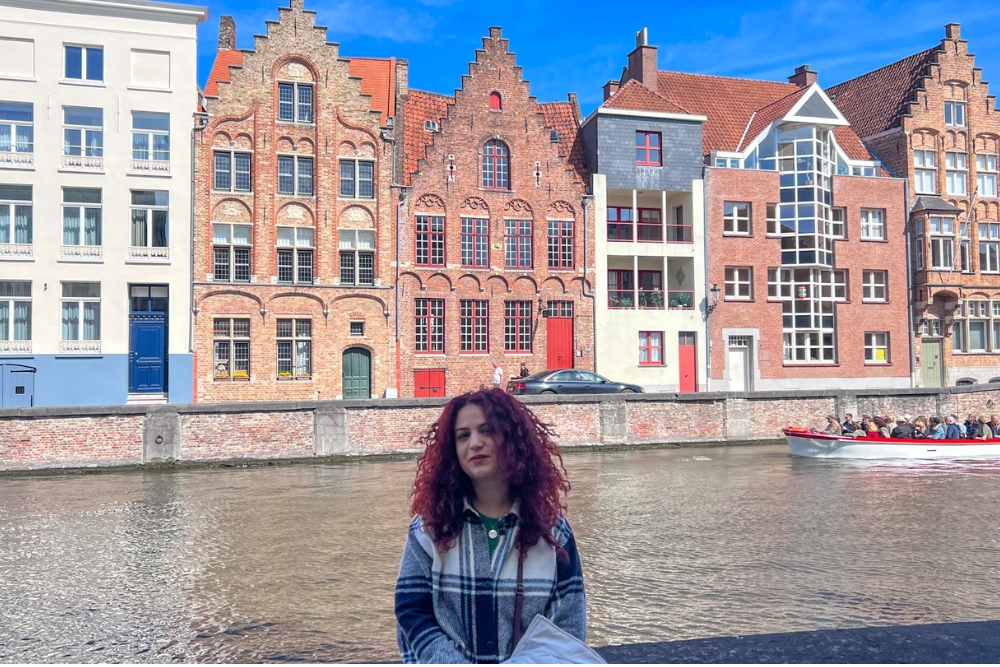
Bruges is a perfectly preserved medieval city—the entire historic center is UNESCO-protected with Gothic architecture from the 13th to 15th centuries. Canals wind through cobblestone streets where swans glide past café terraces serving moules-frites for €18 versus Brussels’ €28. The Belfry tower offers 360-degree views after 366 steps. Chocolate shops are genuinely artisanal—I watched hand-piped pralines at Dumon. Beer culture is serious with 12+ Belgian varieties at tiny bars. Hotels cost €95/night for canal views versus Brussels’ €140-180 for similar quality.
Transportation: 1 hour by train from Brussels (€15-20)
Highlights: Belfry Tower, Markt Square, Groeningemuseum, Canal boats
Czech Republic: Skip Prague → Visit Olomouc
Olomouc is Czechia’s sixth-largest city, with everything Prague offers—baroque architecture, Gothic churches, an astronomical clock, and a university atmosphere—without the crowds that make you question your life choices. The Upper Square features the UNESCO-listed Holy Trinity Column (35 meters tall, built 1716-1754) and baroque buildings with maybe 20 people on Saturday afternoons. The astronomical clock was rebuilt in a Socialist Realist style after WWII, showing workers rather than apostles. Beer costs 45 CZK (€1.80) at medieval cellar pubs. Accommodation runs €55/night versus Prague’s €120 minimum.
Transportation: 2.5 hours by train from Prague (€15-20)
Highlights: Holy Trinity Column, Upper Square, St. Wenceslas Cathedral
Denmark: Skip Copenhagen → Visit Malmö
Malmö technically sits in Sweden, but functions as Copenhagen’s more affordable alternative—just 35 minutes across the Öresund Bridge. This multicultural city blends Swedish design with international influences, featuring Turning Torso (Scandinavia’s tallest building), the beautiful Malmöhus Castle, and extensive waterfront parks. The old town has cobblestone streets and half-timbered houses minus Copenhagen’s crowds. Restaurants serve excellent Nordic cuisine for 30-40% less than Copenhagen prices. The beach at Ribersborg is popular with locals year-round, including its cold-water sauna.
Transportation: 35 minutes by train from Copenhagen (120 SEK/€11)
Highlights: Turning Torso, Malmöhus Castle, Ribersborg Beach
Estonia: Skip Tallinn → Visit Pärnu
Pärnu is Estonia’s summer capital, a Baltic beach town where Estonians actually vacation. Wooden spa architecture and Art Nouveau buildings painted in pastels line streets leading to miles of beaches. The small Old Town features the Red Tower (1450), the only remaining medieval fortification. In September, the water is cold, but the beaches stretch empty and beautiful. The Pärnu Museum offers surprisingly good exhibits on Estonian history for €5. Restaurant menus assume you speak Estonian—precisely what I wanted. Hotels cost €65/night versus Tallinn’s €140-160 for similar quality.
Transportation: 2 hours by bus from Tallinn (€10-15)
Highlights: Pärnu Beach, Old Town Pärnu, Red Tower

France: Skip Paris → Visit Mont Saint-Michel
Mont Saint-Michel is a UNESCO World Heritage medieval abbey on a tidal island—dramatic architecture rising 155 meters from flats that become ocean twice daily. The abbey features Gothic spires, ethereal cloisters where light filters through columns, and rampart views over the bay. Day-trippers flood in 10 AM-5 PM, but staying overnight means having the island almost alone at 7 AM when mist rises off tidal flats. The village is touristy, with restaurants charging €25-35 for lunch and €40-55 for dinner, but the omelette at La Mère Poulard justifies its fame. Stay in Pontorson (€70-85/night) versus €180-250 on-island.
Transportation: 3.5 hours by train from Paris to Pontorson, then shuttle (€75-95 total)
Highlights: Abbey, Ramparts walk, Tidal flats
Georgia: Skip Tbilisi → Visit Gori
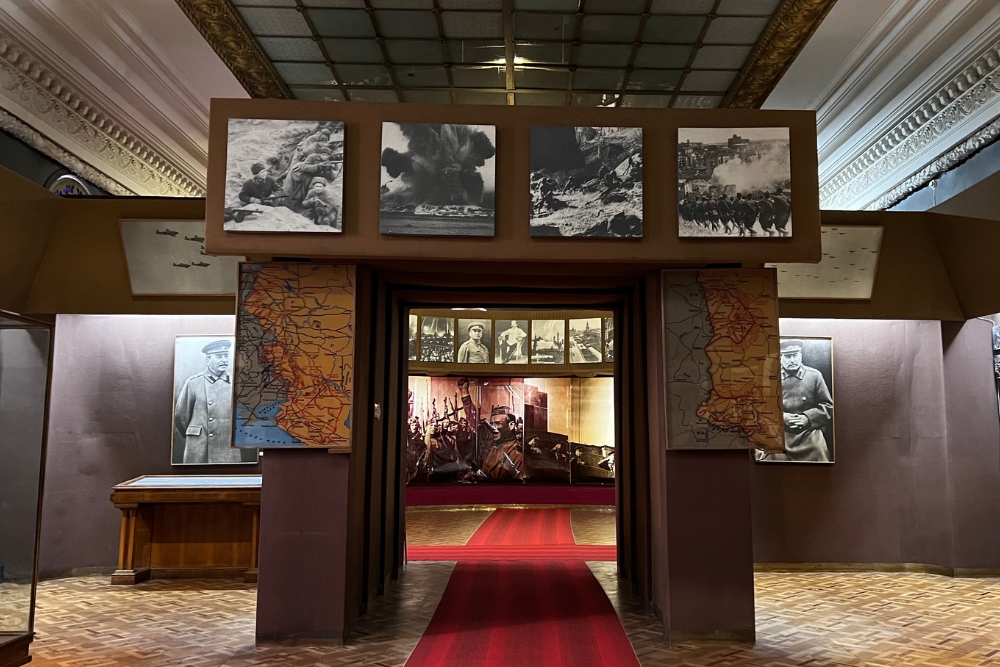
Gori is controversial as Stalin’s birthplace—the museum costs 15 GEL (€5). It includes his birth house under a grand pavilion, his personal armored train car, and extensive exhibits that aren’t particularly critical. It’s fascinating from a personality cult perspective. Beyond Stalin, Uplistsikhe, a cave town 15 minutes away, is an ancient rock-hewn city from the 1st millennium BC with caves, tunnels, and an amphitheater carved into cliffs, for 7 GEL entry. The town itself is small and untouristy. Massive khinkali meals cost 40 GEL (€14) at local restaurants.
Transportation: 1.5 hours by marshrutka from Tbilisi (5 GEL/€1.80)
Highlights: Stalin Museum, Memorial of Georgian War Heroes, Uplistsikhe Cave Town
Germany: Skip Berlin → Visit Rothenburg ob der Tauber
Rothenburg is a perfectly preserved medieval walled town from the 1300s—Disney-level perfection except it’s real. The town walls are fully intact with a 2.5-kilometer rampart walk offering free views over red roofs and half-timbered houses. The Marktplatz features the Town Hall with a climbable tower (€3), while the Medieval Crime Museum displays torture devices for €8. Schneeballen pastries cost €3-4 everywhere. It’s incredibly touristy, with day-trippers flooding in during the summer and Christmas seasons, but staying overnight (€85/night in hotels) means having mornings and evenings almost to yourself when tour buses depart.
Transportation: 3 hours from Munich or 2.5 hours from Frankfurt by train with connections
Highlights: Town Walls, Marktplatz, Medieval Crime Museum
Italy: Skip Rome → Visit Florence
Florence is Italy’s Renaissance masterpiece, where Brunelleschi’s Duomo dome is an architectural miracle you can climb for €20. The Uffizi Gallery houses Botticelli’s Birth of Venus and Caravaggio rooms for €25-30. Ponte Vecchio crosses the Arn,o lined with jewelry shops, while the Accademia displays Michelangelo’s David—genuinely stunning at scale. Piazzale Michelangelo overlooks red terracotta roofs at sunset while eating Gelateria dei Neri gelato (€3.50). Bistecca alla fiorentina at Trattoria dall’Oste costs €45 and justifies every euro. Hotels in Santo Spirito run €95/night versus Rome’s €150-180.
Transportation: 1.5 hours by fast train from Rome (€30-50)
Highlights: Duomo, Uffizi Gallery, Piazzale Michelangelo, Ponte Vecchio

Latvia: Skip Riga → Visit Jūrmala
Jūrmala is a beach resort town 25 kilometers from Riga, featuring 33 kilometers of white sand beaches along the Baltic Sea and over 4,000 wooden Art Nouveau houses. The Dzintari Concert Hall hosts summer music festivals, while spa culture dominates with numerous wellness centers offering treatments. The Jomas Street pedestrian zone has cafés, restaurants, and shops at prices significantly lower than in Riga. Swimming is popular from June to August, when the water temperature ranges from 17 to 20 °C. The pine forest air, combined with the sea breeze, creates the Baltic resort atmosphere that Latvians have enjoyed for over a century.
Transportation: 25-40 minutes by train from Riga (€2-3)
Highlights: Jūrmala Beach, Dzintari Concert Hall, Jomas Street
Lithuania: Skip Vilnius → Visit Trakai
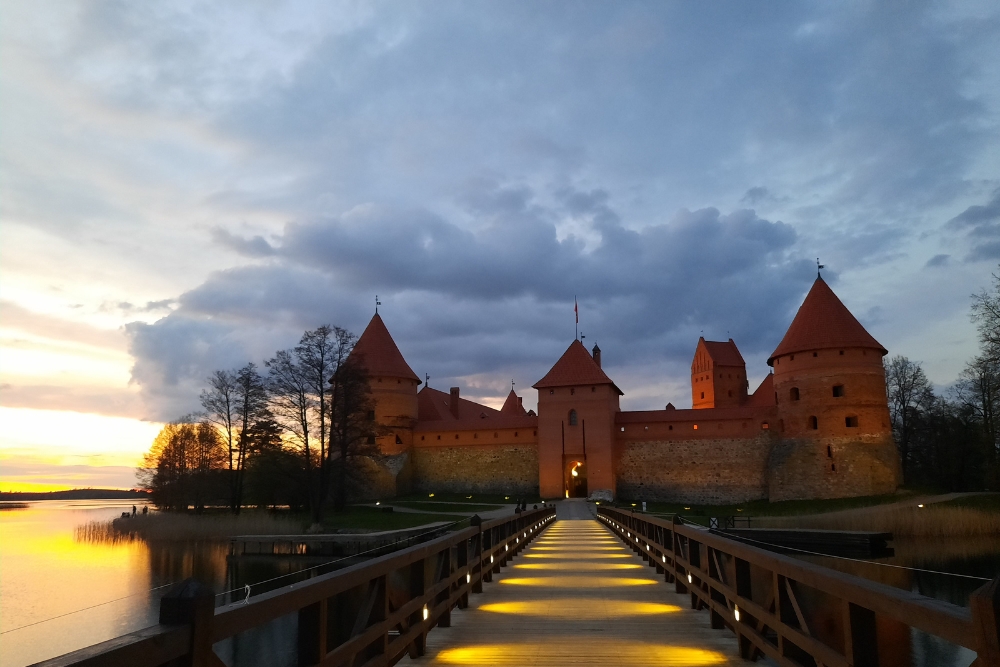
Trakai centers on a 14th-century island castle on Lake Galvė—red brick Gothic architecture reflected in the water, connected by a wooden footbridge. It’s one of Europe’s most photogenic castles. The castle costs €10 entry with a Grand Duchy of Lithuania museum inside. You can rent paddle boats for different water angles. The town preserves Karaim culture, a Turkic ethnic group brought here in the 14th century. Their traditional kibinai pastries (mutton-filled) cost €3-4 and are genuinely delicious. Walking paths circle the lakes through forests with very few crowds.
Transportation: 30 minutes by train or bus from Vilnius (€1-2)
Highlights: Trakai Island Castle, Lake Galvė, Karaim restaurants
Luxembourg: Skip Luxembourg City → Visit Schengen
Schengen is a tiny Moselle River wine village where the Schengen Agreement was signed in 1985, creating Europe’s border-free zone. The European Museum costs €8 and explains the agreement and EU border policy well. The monument marking where it was signed sits on the river, with views across to France and Germany. The real reason to visit: Moselle white wines—Riesling, Pinot Gris, Auxerrois. Wineries offer tastings for €10-15. I visited Caves Bernard-Massard (sparkling) and Domaine Mathis Bastian (excellent Riesling). Flat riverside cycling paths through vineyards, rent bikes for €15/day.
Transportation: 40 minutes by bus from Luxembourg City (€2)
Highlights: European Museum, Schengen Monument, Moselle wineries
Moldova: Skip Chișinău → Visit Tiraspol
Tiraspol is the capital of Transnistria, a breakaway region that declared independence in 1990 with its own currency and government but has received no UN recognition—essentially a frozen Soviet republic. Soviet symbols are everywhere: hammer and sickle, Lenin statues, red stars. The currency is Transnistrian rubles with plastic coins. The Supreme Soviet building still says “Supreme Soviet.” You register at the border (free for day trips, $5 for longer stays). The city is clean, safe, and cheap—50 rubles (€2.50) for a huge bowl of borscht and cutlets. Kvint distillery tours cost €5 with cognac tastings.
Transportation: 1 hour by marshrutka from Chișinău (40 lei/€2)
Highlights: Lenin Statue, Kvint Distillery, Tank Memorial
Morocco: Skip Rabat → Visit Aït Benhaddou
Aït Benhaddou is a fortified 11th-century clay ksar (village), a UNESCO site used for filming Gladiator, Game of Thrones, and countless other movies because it looks exactly like an ancient desert fortress should. The village rises from the desert with the Atlas Mountains behind, connected to the shore by a footbridge. Entry is technically free, though guides expect a tip of €5-10. Climbing to the summit offers 360-degree views of the valley. The architecture is pure earth—mud, straw, water—yet stands after centuries. Mint tea costs 10 dirhams (€1), tagines 80-100 dirhams (€8-10) at base cafés.
Transportation: 30 minutes from Ouarzazate (taxi 150-200 dirhams/€15-20)
Highlights: Aït Benhaddou ksar, Summit viewpoint
Mozambique: Skip Maputo → Visit Beira
Beira is a coastal port city with Portuguese colonial architecture—the lighthouse (Farol de Macuti) offers views of the city and the coast. Praia de Macuti beach stretches long with basic beach bars and a local atmosphere. The Beira Cathedral showcases Portuguese colonial style. The city was heavily damaged by Cyclone Idai in 2019, so the infrastructure has been rebuilt. This isn’t luxury tourism—accommodations are basic, food is simple Portuguese-Mozambican (seafood, peri-peri chicken, rice), and you need comfort with rough edges. It’s coastal Mozambique without Maputo’s intensity for independent travelers only.
Transportation: 1 hour by flight from Maputo (long bus journey not recommended)
Highlights: Praia de Macuti, Beira Cathedral, Lighthouse, Grand Hotel

Netherlands: Skip Amsterdam → Visit Utrecht
Utrecht sits 30 minutes from Amsterdam by train (€8.40 return) with two-level canals featuring wharf cellars converted into water-level cafés—something Amsterdam’s canals don’t allow. The Dom Tower (1382) is the Netherlands’ tallest church tower, climbable for €12 with city-center views. The medieval old town is completely walkable—I covered everything significant in two days of relaxed exploration. On Monday and Saturday, Vredenburg markets have locals buying groceries, not souvenirs. Hotels cost €85/night for canal views versus Amsterdam’s €180-200. Traditional Dutch dinners run €20-25 versus Amsterdam’s €40-45.
Transportation: 25-30 minutes by train from Amsterdam (€8.40 return)
Highlights: Dom Tower, Oudegracht Canal, Museum Catharijneconvent
Portugal: Skip Lisbon → Visit Porto
Porto’s Ribeira district along the Douro River features UNESCO-protected colorful buildings stacked up hillsides. The iconic Dom Luís I Bridge connects to Vila Nova de Gaia, home to port wine cellars—Graham’s offers €15 tastings with five wines and terrace views. São Bento train station has 20,000 azulejo tiles depicting Portuguese history (free entry). The Livraria Lello bookstore charges €5 entry (deductible from purchases), with Art Nouveau woodwork and stained glass. Francesinha sandwiches cost €12-15, and fresh seafood at Matosinhos market runs €25-30. Hotels in Bolhão cost €85/night versus Lisbon’s €140-160.
Transportation: 3 hours by train from Lisbon (€25-40)
Highlights: Ribeira District, Dom Luís I Bridge, Port Wine Cellars, Livraria Lello
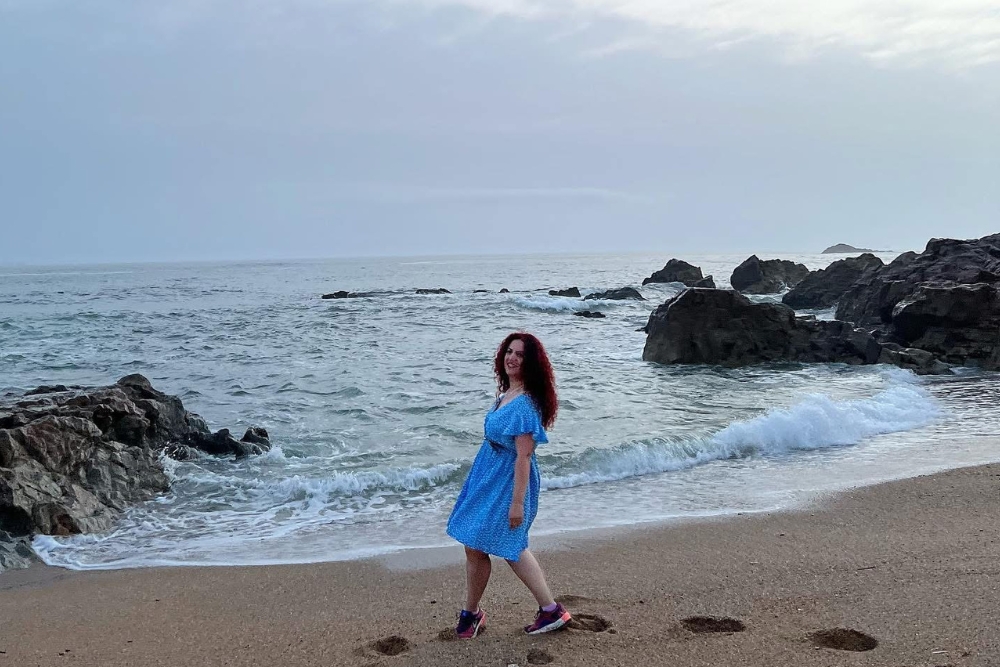
Romania: Skip Bucharest → Visit Sinaia
Sinaia is a Carpathian mountain resort town featuring Peleș Castle—one of Europe’s most beautiful yet underrated castles. Built 1873-1914 as a Romanian royal summer residence, it’s absurdly ornate: Neo-Renaissance architecture, 160 rooms, incredible woodcarvings, stained glass, a throne room, an armory. Interior tours cost 50 lei (€10) and genuinely impress. The town has a cable car to the mountains (40 lei/€8 return) with hiking trails. Traditional Romanian food—sarmale, mici—costs 40-60 lei (€8-12) per meal. Hotels run 250 lei/night (€50) versus Bucharest’s 400-500 lei (€80-100) for similar quality.
Transportation: 2 hours by train from Bucharest (30-40 lei/€6-8)
Highlights: Peleș Castle, Sinaia Monastery, Cable car
Spain: Skip Madrid/Barcelona → Visit Valencia
Valencia offers a Spain experience without Barcelona’s overwhelming crowds or water-gun protests. The futuristic City of Arts and Sciences complex features stunning architecture by Santiago Calatrava. Valencia is paella’s birthplace—authentic versions cost €12-18 versus Barcelona’s touristy €25-30. The historic center features medieval gates, the Cathedral, which claims the Holy Grail, and La Lonja de la Seda (Silk Exchange) with its incredible Gothic architecture. Beaches stretch along the Mediterranean within 20 minutes of the old town. Hotels cost €70-90/night versus Barcelona’s €140-180 for comparable quality.
Transportation: 3 hours by fast train from Barcelona (€30-50)
Highlights: City of Arts and Sciences, Central Market, Cathedral
Sweden: Skip Stockholm → Visit Malmö
Malmö is Sweden’s third-largest city, just 35 minutes across the Öresund Bridge from Copenhagen. The multicultural atmosphere blends Swedish design with international influences. Turning Torso (Scandinavia’s tallest building at 190 meters) dominates the skyline, while Malmöhus Castle houses multiple museums for 60 SEK (€5.50). The old town features cobblestone streets and half-timbered houses, free of Stockholm’s tourist crowds. Ribersborg Beach includes a popular cold-water sauna. Restaurants serve excellent Nordic cuisine for 30-40% less than Stockholm prices. The city functions as a more affordable Scandinavian base.
Transportation: 35 minutes by train from Copenhagen (120 SEK/€11), or 4.5 hours from Stockholm
Highlights: Turning Torso, Malmöhus Castle, Ribersborg Beach
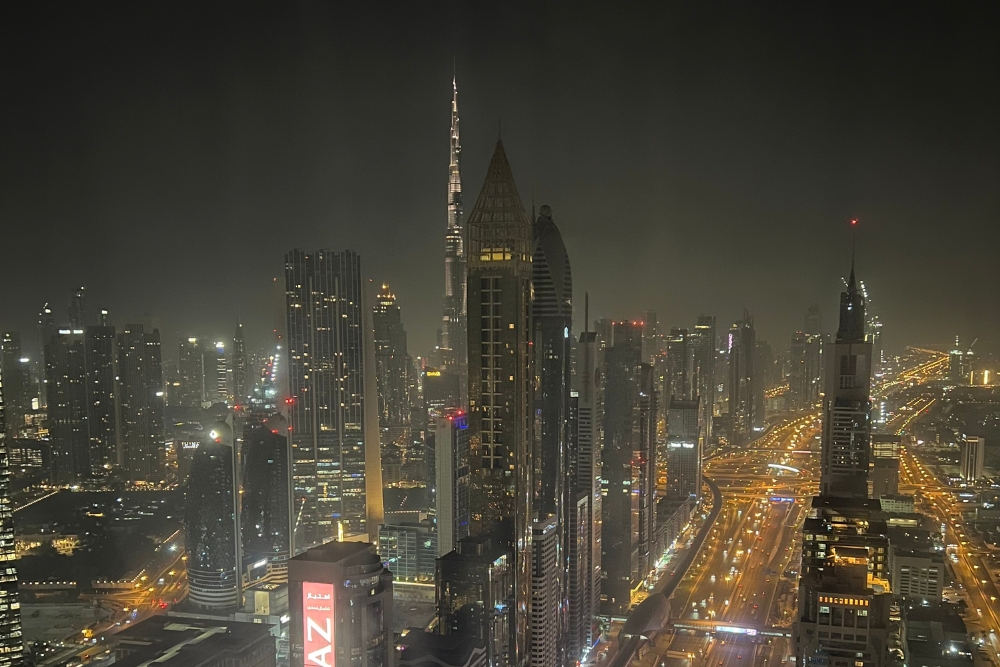
UAE: Skip Abu Dhabi → Visit Dubai
Dubai is artificial but fascinating—record-breaking buildings, indoor ski slopes, manmade islands, shopping malls the size of countries. Burj Khalifa (828 meters, world’s tallest) has observation decks at 149 AED (€40). Dubai Mall features 1,200 shops, an aquarium, and an ice rink. The Palm Jumeirah is a palm-shaped manmade island with luxury hotels. The souks offer contrast—Gold Souk has hundreds of jewelry shops, and Spice Souk smells incredible. The Old Dubai Creek area shows pre-oil Dubai with traditional dhows and wind towers. Food ranges from 15 AED (€4) shawarma to 500 AED (€135) fine dining.
Transportation: 1.5 hours by bus from Abu Dhabi (25 AED/€7)
Highlights: Burj Khalifa, Dubai Mall, Gold Souk, Old Dubai
UK: Skip London → Visit Edinburgh
Edinburgh offers a Scottish capital experience on a more manageable scale than London. The medieval Old Town climbs to Edinburgh Castle (£19.50) with views, the crown jewels, and Scottish history. The Royal Mile connects the castle to Holyrood Palace through narrow “closes.” Arthur’s Seat, an extinct volcano, offers free hiking with panoramic views of the city. The Georgian New Town contrasts with medieval architecture. Haggis, neeps, and tatties cost £14 at traditional pubs. Whisky bars are everywhere—Scotch Whisky Experience offers tours and tastings (£20-60). Hostels cost £28/night, compared to London’s £45-60.
Transportation: 4.5 hours by train from London (£30-80)
Highlights: Edinburgh Castle, Royal Mile, Arthur’s Seat, Scott Monument

© Canva
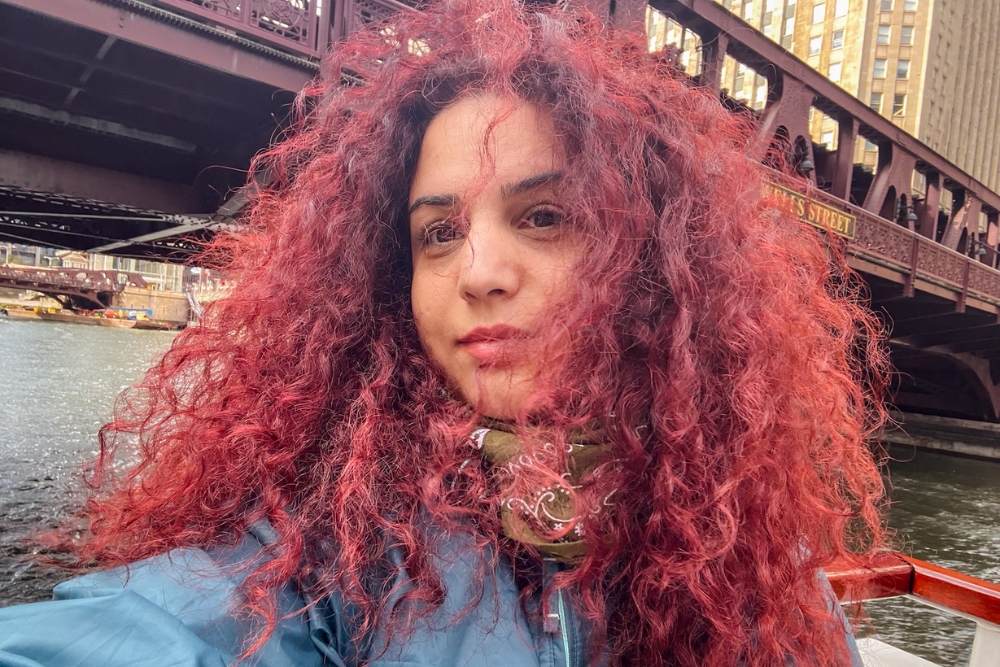
USA: Skip New York/Washington → Visit Chicago
Chicago is America’s third-largest city, but it feels more manageable than NYC or LA. Architecture boat tours on the Chicago River (€40-50) are excellent—Chicago invented the skyscraper and takes it seriously. Willis Tower’s Skydeck has glass floor boxes 103 floors up (€30-35). The 26-mile lakefront along Lake Michigan features free parks and beaches. Millennium Park has the Bean (Cloud Gate sculpture), while the Art Institute holds Impressionist collections and American art (€25-30). Deep dish pizza at Lou Malnati’s costs €15-25. Hostels run $45/night versus NYC’s $70-90.
Transportation: 2 hours by plane from NYC
Highlights: Architecture boat tour, Millennium Park, Art Institute, Lakefront
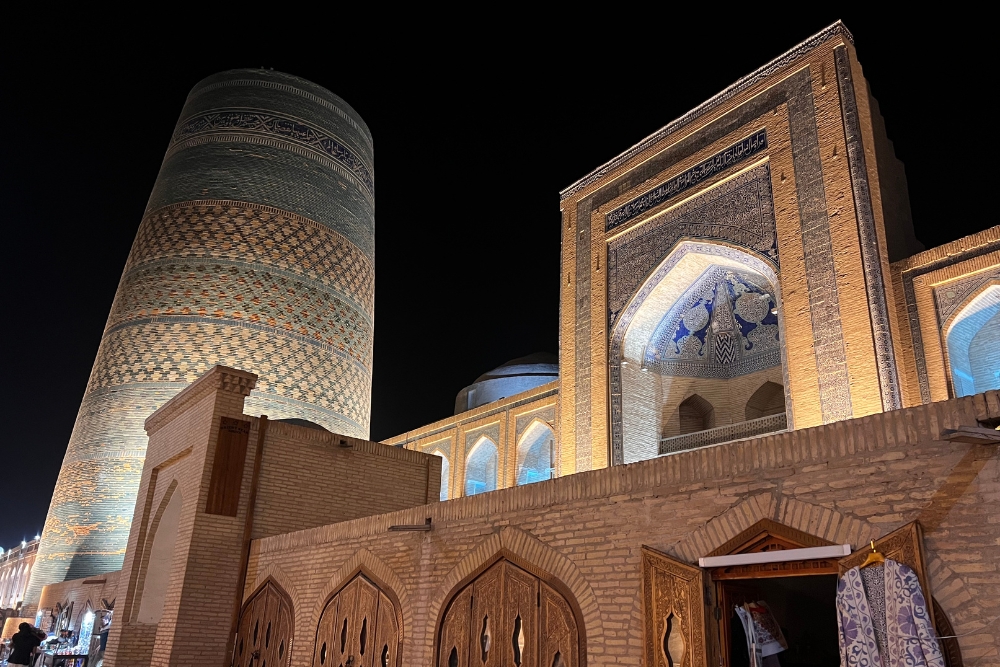
Uzbekistan: Skip Tashkent → Visit Khiva
Khiva’s walled Itchan Kala is a UNESCO Silk Road time capsule—every building is a mosque, madrasa, palace, or minaret. The Islam Khoja Minaret (57 meters) offers sunset views over terracotta roofs and desert beyond via claustrophobic spiral stairs. Kalta Minor Minaret features turquoise tiles—once Central Asia’s tallest until the khan died mid-construction. The Juma Mosque has 212 wooden columns, creating a forest-like interior. Entry costs 100,000 som (€8) and covers most sites. The scale is perfect—walk the entire walled city in 15 minutes yet spend full days photographing. Hotels cost €60/night, compared to Tashkent’s €90-120.
Transportation: 7-8 hours by train from Bukhara, or fly from Tashkent to Urgench, thena 30-minute taxi.
Highlights: Itchan Kala, Islam Khoja Minaret, Kalta Minor
Zimbabwe: Skip Harare → Visit Victoria Falls
Victoria Falls is one of the Seven Natural Wonders—the Zambezi River dropping 108 meters over 1.7 kilometers, creating curtains of water visible for miles. The local name Mosi-oa-Tunya (“The Smoke That Thunders”) describes the perpetual spray that creates rainbows. During high water (March-May), you can’t see across due to spray. The Zimbabwe side offers better views of the main falls, with an entry fee of $30 USD. Activities include grade 5 white-water rafting ($125-150), bungee jumping ($160), and helicopter flights ($150 for 15 minutes). The town is touristy but functional. Backpackers cost $25/night.
Transportation: 1.5 hours by flight from Harare ($150-250)
Highlights: Victoria Falls viewpoints, Devil’s Pool, Bridge crossing

How to Choose Your Second City
Not all second cities are created equal. Some are genuinely better than their capitals for specific interests. Some are day-trip destinations that deserve overnight stays. Some are curiosities worth visiting if you’re already nearby.
- Ask yourself what you actually want: If it’s iconic landmarks and world-famous museums, you probably need the capital. The Eiffel Tower is in Paris. The British Museum is in London. These aren’t negotiable if that’s your priority.
- Check transportation reality: Some second cities require complex journeys involving multiple trains, buses, and prayer. Others are 30 minutes from the capital by direct train. Factor in actual travel time and cost when deciding if a second city makes sense for your itinerary.
- Consider your budget priorities: Second cities save money on accommodation and meals, but sometimes require more expensive transportation to reach. Do the math. If saving €50/night on hotels costs you €100 in extra train tickets, it might not make sense unless you’re staying multiple nights.
- Be honest about your tolerance for tourists: Some second cities (Bruges, Rothenburg, Mont Saint-Michel) are heavily touristed despite being “second cities.” They’re still better than capitals, but don’t expect undiscovered gems. Others (Gyumri, Tiraspol, Beira) genuinely lack tourist infrastructure, which means authentic experiences but also challenges if you need everything in English.
My personal strategy: Fly into the capital (usually cheaper international flights), spend 1-2 days hitting the must-see landmarks, then take a train to a second city for 3-4 days. You get the iconic photos without the exhausting crowds, and you save money on the days that matter most—accommodation and food.
The Honest Downsides Nobody Mentions
I love second city travel, but let’s be real about the challenges:
- Your friends won’t recognize the photos: When you post Olomouc pictures, you’ll get “where is that?” When you post Prague, everyone knows. If Instagram validation matters to you, capitals win.
- Fewer direct flights: Most international airports are in capitals. Getting to second cities often means connecting through the capital anyway, which adds time and sometimes cost.
- Less English spoken: Capitals have tourism infrastructure—English menus, English-speaking staff, tourists everywhere. Second cities? You’re relying on Google Translate and gestures more often.
- Less information available: Guidebooks dedicate 50 pages to capitals and 5 to second cities. Travel blogs cover capitals exhaustively. You’ll need to research harder for second cities.
- You actually do miss some things: The Louvre isn’t in Lyon. The Colosseum isn’t in Florence. If you genuinely want those specific landmarks, you need the capitals.
My take: These are real tradeoffs, not fake concerns. I still choose second cities most of the time because the benefits outweigh these downsides. But be honest with yourself about what you value in travel.
References:
- Wellness Retreats Magazine – 2025 Overtourism Report (https://www.wellnessretreatsmagazine.com/overtourism-statistics-rankings-report)
- CNN Travel – Overtourism 2025 Analysis (https://www.cnn.com/travel/overtourism-2025-summer-crowded-chaotic)
- Pina Travels – Second City Tourism Guide (https://pinatravels.org/second-city-tourism/)
- Skytrail – Rise of Second City Destinations (https://www.skytrail.com/the-rise-of-second-city-travel-destinations/)
- Euromonitor – Top 100 City Destinations Index 2024 (https://www.euromonitor.com/article/the-top-100-cities-shaping-the-future-of-urban-travel-in-2024)
- Euronews – Italy Overtourism Crackdown 2025 (https://www.euronews.com/travel/2025/02/24/florence-rome-venice-italian-cities-are-cracking-down-on-overtourism-in-2025)
- Individual city tourism portals and official websites (linked throughout article)
