
Staying in a Hostel for the First Time: Tips, Packing, and Safety
Staying in a hostel can be an exciting and affordable way to travel. It offers unique experiences and opportunities to meet people from around the world. Whether you’re a first-time hostel guest or looking for tips to enhance your stay, this comprehensive guide covers everything you need to know.
What are Hostels?
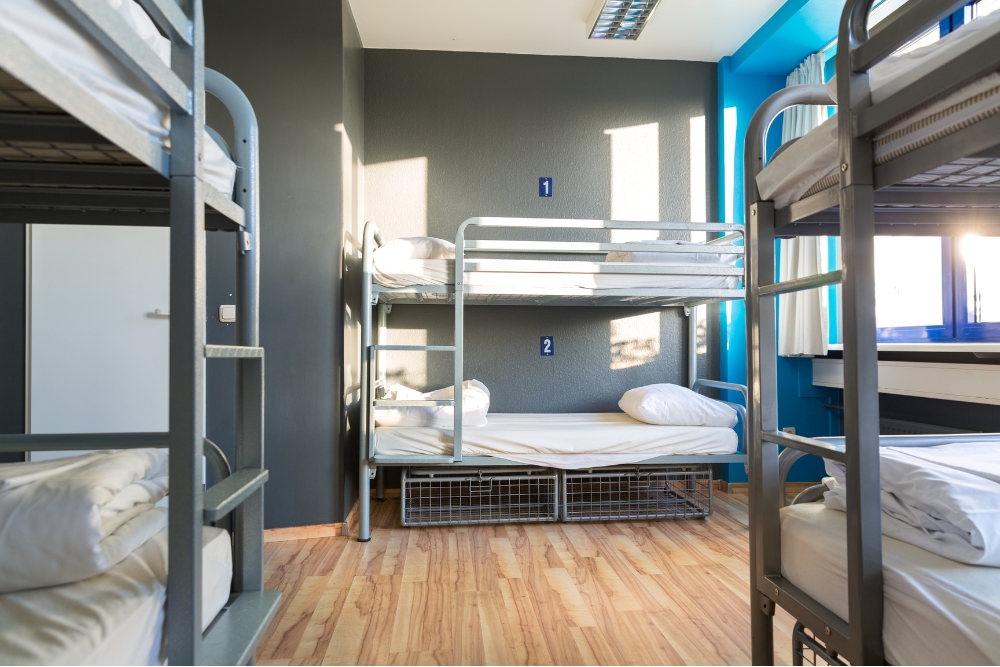
A hostel is a budget-friendly accommodation typically featuring shared rooms or dormitories with communal bathrooms and common areas. The concept originated in Europe as a way for young travelers to explore the continent affordably. Hostels cater to travelers seeking a more social and economical lodging experience, offering amenities that encourage guest interaction. They are popular among backpackers, solo travelers, and young adults, but hostels welcome people of all ages and backgrounds.
How Do Hostels Work Based on the Type
Hostels come in various types, catering to different traveler preferences and experiences. Here are some common types of hostels and what they offer:
- Party hostels are known for their vibrant atmosphere, often hosting events, parties, and pub crawls. They are ideal for social travelers looking to meet new people and enjoy nightlife. These hostels usually have bars on-site, communal areas with music, and a younger crowd. However, there may be better choices for travelers seeking a quiet and restful stay.
- Boutique Hostels offer a more refined and unique experience, often with stylish decor and personalized services. These hostels blend traditional hostels’ affordability with boutique hotels’ ambiance. They typically have themed rooms, artistic designs, and a focus on aesthetics and comfort. Boutique hostels are ideal for travelers who appreciate design and want a more upscale experience without the price tag of a hotel.
- Eco-hostels emphasize sustainability and environmentally friendly practices. They often use renewable energy sources, implement recycling programs, and encourage guests to minimize their environmental footprint. These hostels may be located in natural settings, such as near forests or beaches, and offer activities like eco-tours and organic gardening. They attract travelers who are conscious of their environmental impact and prefer sustainable accommodations.
- Adventure hostels cater to travelers interested in outdoor activities and adventure sports. These hostels are often situated in locations known for hiking, climbing, surfing, or skiing. They provide easy access to gear rentals, guides, and organized excursions. Adventure hostels are perfect for those who seek adrenaline-filled experiences and want to connect with other like-minded adventurers.
- Family-friendly hostels are designed for families traveling with children. They offer private or family rooms, child-friendly facilities, and a welcoming environment. These hostels often have play areas, games, and sometimes even babysitting services. They are an excellent option for families seeking affordable and comfortable accommodations for all ages.
- Traditional youth hostels are geared towards young travelers, typically those under 30. These hostels often have age restrictions and offer affordable dormitory options. Youth hostels emphasize community and usually provide activities and common areas designed to foster social interaction among young travelers.
- Originating in Japan, capsule hostels offer individual sleeping pods or capsules, providing privacy and a unique experience in a shared environment. These capsules are small, enclosed spaces with basic amenities like a bed, light, and sometimes a small TV. Capsule hostels are ideal for travelers who want privacy without the expense of a private room and are comfortable with compact spaces.
Each hostel type offers a different experience, allowing travelers to choose an accommodation that best fits their needs and preferences. Whether you seek social interaction, eco-friendly practices, adventure, or privacy, there’s likely a hostel that suits your travel style.
Who Stays in Hostels?
Hostels attract diverse travelers, including young backpackers, solo adventurers, digital nomads, and even families. While they were traditionally seen as the domain of young travelers, many hostels now cater to a broader age range.
Hostels are famous among solo travelers seeking a social environment, groups seeking affordable accommodations, and families wanting a communal experience. Many hostels offer private rooms or family-friendly amenities to accommodate these different groups.

How Much Do Hostels Cost?
Hostel costs vary significantly based on location, amenities, and room type. Generally, dormitory beds are the most affordable, while private rooms are more expensive. Here are some factors that influence hostel prices:
- Location: Hostels in major cities and tourist hotspots are more expensive than those in rural or less popular areas.
- Season: Prices can fluctuate based on the season, with higher rates during peak travel times like summer or major holidays.
- Room Type: Dormitory rooms are the cheapest option, usually offering multiple beds per room. Prices can range from $10 to $50 per night. Private rooms, often comparable to budget hotel rooms, can cost between $30 and $100 or more per night, depending on the location and amenities.
- Amenities and Services: Hostels with more amenities (such as free breakfast, Wi-Fi, private bathrooms, and organized activities) may charge higher rates.
- Booking Platform: Prices can vary depending on the booking platform used. It’s often possible to find discounts or deals on popular hostel booking websites.
How Much Are Hostels in Europe?
Some people may wonder, “Why are hostels so expensive now?” The cost of staying in a European hostel can vary widely depending on factors such as the country, city, location, time of year, and hostel type. For instance, hostels in major tourist cities or during peak travel seasons often have higher prices due to increased demand. On average, European hostel prices range from €10 to €50 per night for a bed in a shared dormitory.
Despite these fluctuations, hostels are generally considered a budget-friendly option for travelers, leading others to ask, “Why are hostels so cheap?” This affordability is due to the shared nature of the accommodations and the emphasis on basic amenities, which help keep costs lower compared to hotels.
- Eastern Europe: Hostels in Eastern European countries like Poland, Hungary, and the Czech Republic are more affordable, with dormitory beds often costing between €10 and €20 per night.
- Western Europe: Prices are generally higher in popular destinations like France, Germany, and the Netherlands, with dorm beds ranging from €20 to €40 per night. Major cities like Paris, Berlin, and Amsterdam can be pricier.
- Southern Europe: Countries such as Spain, Italy, and Greece offer a range of hostel prices, typically between €15 and €35 per night, depending on the city and season.
- Northern Europe: Hostels can be more expensive in countries like Norway, Sweden, and Denmark, with prices often ranging from €25 to €50 or more per night.
How to Book Hostels
Hostels can be booked through various online platforms and apps, which provide detailed descriptions, reviews, and booking options. Popular websites include Hostelworld, Booking.com, and Airbnb. Some hostels even have their official websites where you can book directly. It’s advisable to compare prices and read reviews before making a reservation to ensure you choose a hostel that meets your needs and expectations.
How Far in Advance to Book Hostels
Booking hostels in advance can help secure the best rates and ensure availability, especially during peak travel seasons or in popular destinations. Here’s a general guide on how far in advance to book hostels:
- Peak Travel Seasons: During busy periods like summer, major holidays, and popular events, it’s advisable to book hostels 2 to 3 months in advance. This is particularly important in popular destinations where accommodations can fill up quickly.
- Off-Peak Seasons: In less busy times of the year, booking 1 to 2 weeks in advance is usually sufficient. However, booking earlier can provide more options and potentially better prices.
- Popular Destinations and Cities: Booking 1 to 2 months in advance is recommended for cities that are major tourist hubs or have limited hostel options, regardless of the season.
- Special Events or Festivals: If you’re traveling to a city during a special event, festival, or conference, it’s wise to book as soon as your plans are confirmed, as accommodations can be in high demand.
- Flexible Travel Plans: If your travel dates are flexible, you can often find last-minute deals or availability even a few days before your stay. However, this approach carries the risk of limited choices or higher prices.
In summary, while booking in advance is generally advisable to secure the best options and prices, the exact timing can depend on the destination, season, and flexibility. Always check the hostel’s cancellation policy in case your plans change.
How to Find Good Hostels: Factors to Consider While Booking
Selecting the right hostel is crucial for a comfortable and enjoyable stay. Here are some key factors to consider:
- Location and Accessibility: Choose a hostel conveniently located near public transportation, tourist attractions, and essential services like grocery stores and restaurants. A good location can save time and money on commuting.
- Ratings and Reviews: Check the ratings and read reviews from previous guests to gauge the quality and atmosphere of the hostel. Look for comments on cleanliness, security, and customer service, which are vital for a pleasant stay.
- Hostel Type: Hostels vary in style, from quiet, family-friendly places to party-centric environments. Choose one that matches your travel style and preferences, whether you’re looking for a relaxed atmosphere or a lively social scene.
- Price Range and Budget Considerations: Hostels are generally cheaper than hotels, but prices vary. Consider what is included in the price, such as breakfast, Wi-Fi, or linens, to ensure you get good value.
- Amenities & What They Offer: Look for amenities that suit your needs, such as a kitchen, laundry facilities, or a common lounge. Some hostels also offer free events, tours, or equipment rentals, which can enhance your experience and save money.
- Security Features (Lockers, 24-Hour Reception): Security is crucial in a hostel. Look for hostels that offer lockers for your belongings, a 24-hour reception, and secure entry systems.
- Common Areas and Social Spaces: Common areas are the heart of hostel life, providing spaces for socializing, relaxing, and meeting other travelers. A good hostel will have comfortable lounges, dining areas, and sometimes even entertainment facilities like game rooms or libraries.
- Wi-Fi, Kitchen Facilities, and Breakfast Options: Reliable Wi-Fi is a must for staying connected while traveling. Kitchen facilities allow you to cook meals, saving money on dining out. Some hostels offer complimentary breakfast, which can be a convenient and economical start to your day.
- Room Type: Hostels offer different room types, from private rooms to mixed-gender dorms. Decide what level of privacy and comfort you prefer. Private rooms provide more privacy, while dorms are more affordable and offer a chance to meet other travelers.
- Age Limit: Some hostels have age restrictions, either targeting younger travelers or catering to families. Check the hostel’s policies before booking to ensure they align with your group’s age range.
Benefits of Staying in a Hostel
Staying in a hostel offers several advantages beyond just saving money. Here are some benefits to consider:
- Cost – Hostels provide affordable accommodation, making travel more accessible for budget-conscious travelers. They are often the most economical lodging option in many popular destinations.
- Meet Like-Minded Travelers – Hostels are social spaces perfect for meeting people from different backgrounds and cultures. It’s an opportunity to make new friends, exchange travel tips, and find travel companions.
- Cook Your Meals—Many hostels have communal kitchens where you can prepare your meals and save money on dining out. This is particularly useful for long-term travelers or those with dietary restrictions.
- Tour Options – Hostels often partner with local tour operators, offering guests discounts on tours and activities. This can be a convenient and cost-effective way to explore the area.
- Access to Information – Hostel staff are usually knowledgeable about the local area and can provide tips on where to go, what to see, and how to get around. They can also offer insights into hidden gems and local customs.
- Organized Events – Hostels frequently organize events like movie nights, games, or cultural evenings, providing entertainment and socializing opportunities. These events can be a great way to relax and meet other guests.
- Pub Crawls—Many hostels organize pub crawls, which offer a fun way to explore the local nightlife with fellow travelers. These events often include guided visits to popular bars and clubs.
- Walking Tours – Free or affordable walking tours are often available, offering a great way to explore the city and learn about its history. These tours are typically led by knowledgeable guides and provide a comprehensive area overview.
Staying Safe in a Hostel
Safety is a priority when staying in a hostel. Here are some tips to ensure a safe experience:- Use Lockers: Most hostels provide lockers to secure your valuables. Bring a padlock or use the one provided to keep your belongings safe.
- Be Mindful of Your Belongings: Keep your items organized and in your sight, especially in shared spaces.
- Familiarize Yourself with the Hostel: Upon arrival, take note of the hostel’s layout, emergency exits, and safety procedures.
- Trust Your Instincts: If something feels off, don’t hesitate to take precautions or seek assistance from the hostel staff.
First-Time Hostel Tips and Etiquette
For those new to hostel life, these tips can help you adjust:
- Respect Quiet Hours: Many hostels have designated quiet hours to ensure guests can rest. Be mindful of noise levels during these times.
- Keep Shared Spaces Clean: Tidy up after yourself, especially in kitchens and bathrooms, to maintain a pleasant environment for all guests.
- Be Friendly and Open: Hostels are great places to meet new people. Be open to conversations and participate in hostel activities.
- Follow Hostel Rules: Each hostel has its own rules, often regarding cleanliness, noise, and communal areas. Respect these rules to ensure a smooth stay for everyone.
Things to Pack When Staying in a Hostel
Packing appropriately can enhance your hostel experience:
- Bedding and Towels: While some hostels provide bedding and towels, others may charge extra or require you to bring your own. Check this information in advance and pack accordingly. Additionally it will help you to be safe in case of bed bugs.
- Toiletries and Personal Items: Bring your toiletries, including soap, shampoo, and a toothbrush. Personal items like a reusable water bottle and a padlock for lockers are also valuable.
- Electronics and Chargers: Don’t forget essential electronics, such as your phone, laptop, or camera, along with chargers. A power strip or adapter can be helpful, mainly when outlets are limited.
- Comfort Items: If you’re sensitive to noise or light in shared rooms, consider packing earplugs and a sleep mask.
- Space-Saving Tips: Pack light and consider the limited space in shared rooms. Use packing cubes or compression bags to organize and save space.
Arriving at Your Hostel
Upon arrival, check-in at the reception, where you’ll receive key information about the hostel’s facilities and rules. Familiarize yourself with the layout, including common areas and emergency exits. Feel free to ask the staff for recommendations or tips on exploring the local area.
